Modern software systems are expected to be fast, reliable, and always available. Yet even the most carefully engineered applications encounter crashes, exceptions, and unexpected behavior once real users interact with them. Without a structured way to capture, analyze, and respond to these incidents, small bugs can escalate into serious operational and reputational risks. That is why real-time crash reporting platforms have become essential components of contemporary development and DevOps workflows.
TL;DR: Real-time crash reporting platforms help teams detect, analyze, and resolve software errors before they escalate into major outages. Leading tools such as Sentry, Crashlytics, Raygun, Bugsnag, Rollbar, and Datadog Error Tracking offer automated monitoring, detailed diagnostics, and collaboration features. The right solution depends on your technology stack, scale, and responsiveness requirements. Investing in robust crash reporting significantly reduces downtime and improves user trust.
Below are six trusted crash reporting platforms that enable development teams to track errors in real time and respond proactively.
1. Sentry
Sentry is one of the most widely adopted crash and error monitoring platforms, trusted by organizations ranging from startups to enterprise-scale technology companies. It supports a broad range of languages and frameworks including JavaScript, Python, Java, .NET, Ruby, and mobile platforms.

What sets Sentry apart is its emphasis on actionable insights. Rather than simply logging errors, Sentry aggregates events, highlights root causes, and connects issues directly to source code commits.
Key features:
- Real-time error tracking across web, backend, and mobile applications
- Stack trace analysis with code context
- Release health monitoring
- Performance monitoring integration
- Custom alerting and workflow routing
Sentry is particularly valuable for teams practicing continuous integration and continuous deployment (CI/CD), as it integrates seamlessly with GitHub, GitLab, and Jira. The platform also supports self-hosted deployment, which is important for organizations with strict compliance requirements.
2. Firebase Crashlytics
Firebase Crashlytics, developed by Google, is one of the most popular crash reporting tools for mobile applications, particularly on iOS and Android. It is tightly integrated into the Firebase ecosystem, making it especially attractive for mobile-first development teams.
Crashlytics emphasizes speed and clarity. When an app crashes, developers receive near-instant notifications along with detailed diagnostics.
Key features:
- Real-time crash reporting for iOS and Android
- Prioritization of crashes by impact
- User session tracking
- Breadcrumb logs for reproducing issues
- Integration with Google Analytics for user context
One of its most practical capabilities is grouping crashes by common root cause, preventing teams from being overwhelmed by duplicate reports. For mobile-focused organizations seeking cost-effective monitoring with strong reliability, Crashlytics remains a leading choice.
3. Raygun
Raygun offers a comprehensive monitoring suite that includes crash reporting, performance monitoring, and real user monitoring. It supports a large number of programming languages and frameworks, making it suitable for complex, multi-platform environments.

Raygun is well-regarded for its user-friendly interface and detailed diagnostic reports. Developers can trace crashes back to specific lines of code and track user journeys leading up to the incident.
Key features:
- Real-time error and crash reporting
- Detailed stack traces with deployment tracking
- Real user monitoring insights
- Customizable dashboards
- Deployment and version comparison tools
Businesses that prioritize customer experience often favor Raygun because it links performance data with user behavior. This helps teams understand not only what failed, but also who was affected and how the issue impacted engagement.
4. Bugsnag
Bugsnag focuses on stability management by helping teams identify critical errors and quantify their impact. It supports frontend, backend, and mobile environments, making it a versatile cross-platform solution.
Bugsnag’s strength lies in stability scoring, which provides measurable insight into application reliability over time. Instead of treating every bug equally, it highlights the errors that affect the most users.
Key features:
- Automatic error grouping and prioritization
- Stability score metrics
- Session tracking for user impact analysis
- Source control integrations
- CI/CD pipeline integration
For larger organizations managing multiple releases and environments, Bugsnag offers strong release tracking capabilities. This makes it easier to detect regressions immediately after deployment.
5. Rollbar
Rollbar is another established player in the real-time error monitoring space. It emphasizes rapid detection and automated workflows, helping teams resolve issues before users report them.
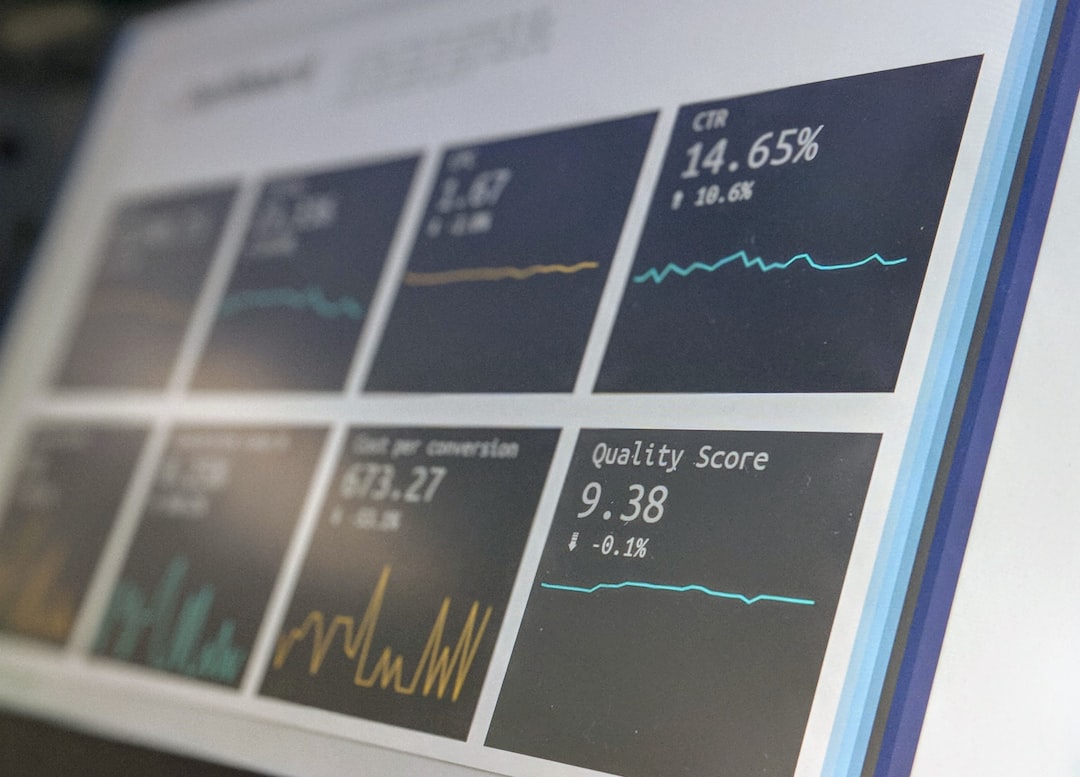
Rollbar supports a wide array of languages and integrates with popular collaboration tools such as Slack, Microsoft Teams, and PagerDuty.
Key features:
- Instant error notifications
- Automatic grouping using machine learning
- Root cause analysis tools
- Customizable alert thresholds
- Flexible deployment options
One advantage of Rollbar is its emphasis on automation. Teams can configure rules to auto-assign issues, mute duplicates, or escalate critical errors. This reduces manual triage and accelerates incident response.
6. Datadog Error Tracking
Datadog Error Tracking is part of the broader Datadog observability platform. For organizations already leveraging Datadog for infrastructure monitoring and APM, adding error tracking creates a unified observability strategy.
Unlike standalone crash reporting tools, Datadog correlates errors with infrastructure metrics, logs, and performance traces. This cross-layer visibility is particularly beneficial in microservices and cloud-native architectures.
Key features:
- Centralized error aggregation
- Correlation with logs and performance traces
- Cloud-native monitoring support
- Real-time alerting policies
- Advanced analytics and dashboards
Enterprises operating distributed systems often choose Datadog because it provides a holistic operational view, not just isolated crash events.
Comparison Chart
| Platform | Best For | Supported Environments | Real-Time Alerts | Notable Strength |
|---|---|---|---|---|
| Sentry | Full-stack development teams | Web, Backend, Mobile | Yes | Deep source-level diagnostics |
| Crashlytics | Mobile-first apps | iOS, Android | Yes | Mobile crash prioritization |
| Raygun | User experience focused teams | Web, Backend, Mobile | Yes | Real user monitoring integration |
| Bugsnag | Enterprise release management | Cross-platform | Yes | Stability scoring |
| Rollbar | Automation-driven workflows | Web, Backend, Mobile | Yes | Machine learning grouping |
| Datadog | Cloud-native systems | Distributed architectures | Yes | Full-stack observability |
How to Choose the Right Crash Reporting Platform
Selecting an appropriate solution requires evaluating several criteria:
- Technology Stack Compatibility: Ensure the tool supports your programming languages and frameworks.
- Deployment Model: Consider whether you require cloud-based, on-premise, or hybrid deployment.
- Scalability: The platform must handle your expected event volume without performance degradation.
- Alerting and Workflow Integration: Real-time alerts should integrate with your communication and ticketing tools.
- Security and Compliance: Enterprises may require data residency controls and compliance certifications.
Smaller teams may prioritize ease of use and affordability, while large enterprises often require advanced analytics, cross-service correlation, and granular access controls.
The Strategic Value of Real-Time Crash Reporting
Crash reporting is no longer merely a debugging convenience; it is a strategic operational function. Rapid detection reduces mean time to resolution (MTTR), prevents cascading failures, and safeguards brand reputation. In competitive digital markets, even brief outages can result in lost revenue and diminished customer trust.
Real-time platforms also encourage a proactive engineering culture. When developers are immediately informed of defects introduced during release cycles, accountability improves and quality assurance processes become more resilient.
The most effective organizations treat crash data not as isolated incidents, but as measurable signals for continuous improvement.
Conclusion
Software complexity continues to increase as businesses embrace distributed systems, cloud infrastructure, and rapid deployment models. In this environment, real-time crash reporting platforms are indispensable. Tools such as Sentry, Crashlytics, Raygun, Bugsnag, Rollbar, and Datadog provide the visibility and responsiveness required to maintain stability.
While each platform offers distinct strengths, they share a common objective: delivering reliable user experiences by identifying errors immediately and facilitating swift resolution. By selecting a crash reporting solution aligned with your technical stack and operational priorities, you establish a critical safeguard against unexpected failure.
In modern software development, proactive error tracking is not optional. It is a foundational requirement for sustaining performance, reliability, and trust.