Understanding how users interact with your website, application, or digital product is no longer optional—it is a strategic necessity. Organizations that accurately track conversions, engagement patterns, and audience behavior gain a distinct competitive advantage. The right analytics platform provides actionable insights, highlights growth opportunities, and reduces costly guesswork.
TLDR: Choosing the right analytics platform directly impacts your ability to measure conversions, optimize engagement, and understand user behavior. Google Analytics 4, Adobe Analytics, Mixpanel, Amplitude, and Matomo stand out for their feature depth, scalability, and reliability. Each serves different business needs, from enterprise-level data modeling to privacy-focused tracking. Selecting the right solution depends on your technical resources, reporting requirements, and long-term analytics strategy.
Below is a detailed analysis of five industry-leading analytics platforms that consistently deliver robust tracking, clear reporting, and advanced behavioral insights.
1. Google Analytics 4 (GA4)
Google Analytics 4 remains one of the most widely adopted analytics platforms globally. Its event-based tracking model allows organizations to monitor user behavior across websites and mobile applications within a single property. GA4 emphasizes cross-platform measurement and predictive insights powered by machine learning.

Key Strengths:
- Event-based data model that captures granular user interactions.
- Seamless integration with Google Ads and other Google products.
- Predictive metrics such as purchase probability and churn likelihood.
- Advanced conversion tracking with customizable events.
- Free standard version suitable for small and mid-sized businesses.
Best For: Businesses seeking a scalable, cost-effective solution tightly integrated with digital advertising ecosystems.
Considerations: GA4 has a learning curve due to its shift from session-based tracking to event-based modeling. Custom reports may require familiarity with Explorations and custom dimensions.
2. Adobe Analytics
Adobe Analytics is widely regarded as an enterprise-grade analytics powerhouse. It offers extensive customization options, robust segmentation tools, and real-time analytics capabilities. Organizations with complex customer journeys and large datasets benefit significantly from its advanced data modeling and reporting features.
Key Strengths:
- Advanced segmentation capabilities.
- Real-time analytics for rapid decision-making.
- AI-powered insights via Adobe Sensei.
- Highly customizable reporting dashboards.
- Deep integration with Adobe Experience Cloud.
Best For: Large enterprises requiring deep behavioral analysis across multiple digital touchpoints.
Considerations: Adobe Analytics requires substantial technical expertise and budget. Implementation often demands a dedicated analytics team.
3. Mixpanel
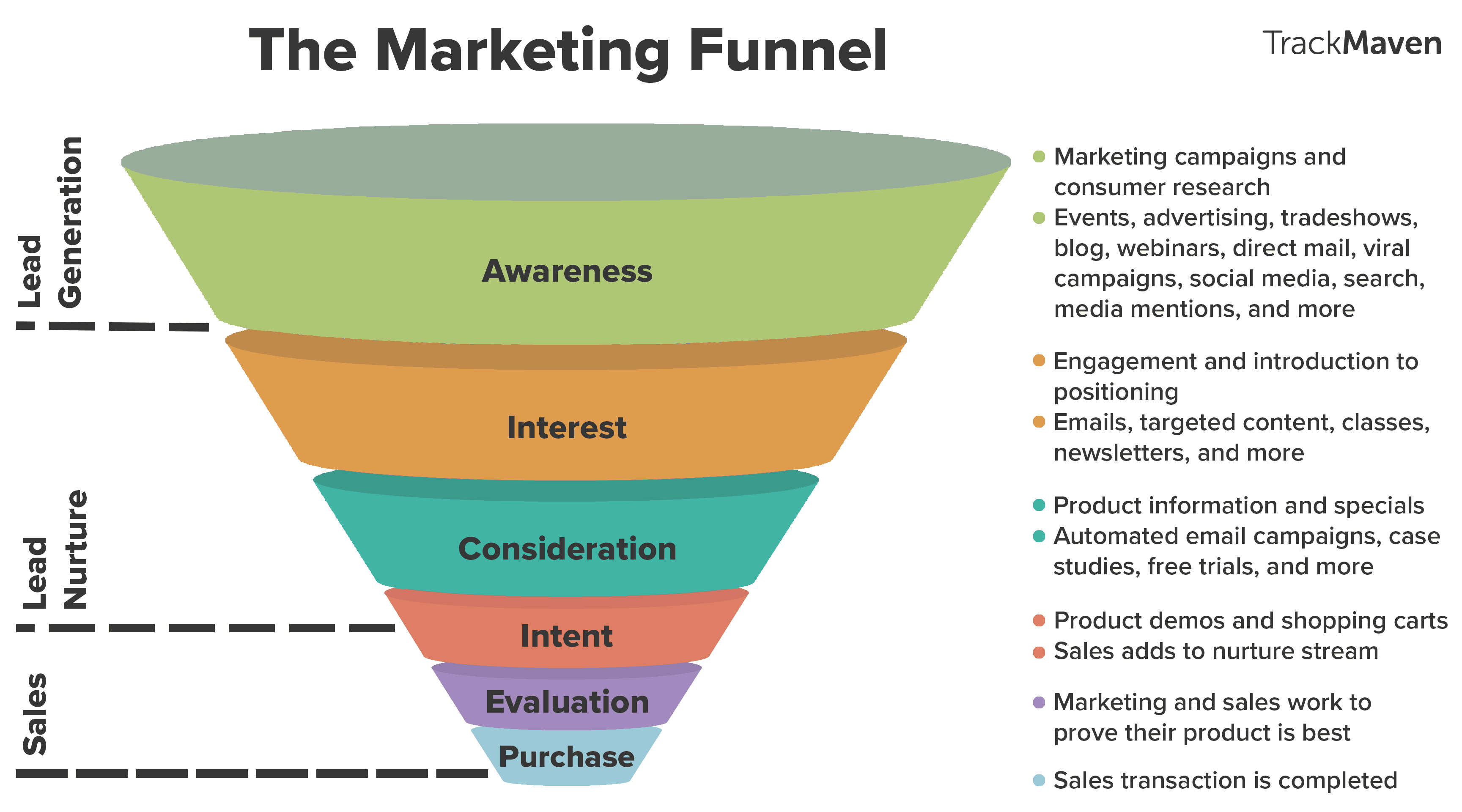
Mixpanel is known for its strong focus on product analytics. It enables companies to track detailed user interactions and build comprehensive funnels that visualize how users move through digital experiences. Its intuitive interface makes behavioral analysis accessible without excessive technical complexity.
Key Strengths:
- Powerful funnel and cohort analysis.
- Event-based tracking tailored to product teams.
- Clear visualization of user retention metrics.
- Customizable conversion tracking.
- Behavior-driven notifications and reporting.
Best For: SaaS companies, product-led teams, and mobile app developers focused on optimizing feature usage and user retention.
Considerations: While excellent for in-product analytics, Mixpanel may require complementary tools for extensive marketing attribution.
4. Amplitude
Amplitude is another leading product analytics platform that emphasizes behavioral insights and experimentation. It provides advanced cohort analysis, behavioral segmentation, and A/B testing capabilities that allow teams to validate hypotheses quickly.
Key Strengths:
- Advanced user cohort analysis.
- Behavioral segmentation tools.
- Experimentation and feature impact measurement.
- Comprehensive lifecycle tracking.
- Scalable infrastructure for high data volumes.
Best For: Fast-growing digital platforms requiring in-depth understanding of feature adoption and user lifecycle analysis.
Considerations: Advanced features may require premium pricing tiers, potentially limiting access for smaller organizations.
5. Matomo
Matomo distinguishes itself by prioritizing data ownership and privacy compliance. Unlike many cloud-only platforms, Matomo offers both on-premise and cloud-hosted solutions, giving organizations full control over user data.

Key Strengths:
- Full data ownership and privacy control.
- GDPR-compliant analytics options.
- Customizable tracking configurations.
- No data sampling in reports.
- Open-source flexibility.
Best For: Organizations operating in highly regulated industries or regions with strict data privacy requirements.
Considerations: On-premise deployment requires technical resources for maintenance and optimization.
Comparison Chart
| Platform | Best For | Pricing Model | Event-Based Tracking | Advanced Segmentation | Data Ownership Control |
|---|---|---|---|---|---|
| Google Analytics 4 | SMBs and growing businesses | Free + Enterprise tier | Yes | Moderate | No |
| Adobe Analytics | Large enterprises | Enterprise pricing | Yes | Extensive | Limited |
| Mixpanel | Product teams and SaaS | Tiered subscription | Yes | Strong | No |
| Amplitude | Digital product optimization | Freemium + paid tiers | Yes | Advanced | No |
| Matomo | Privacy-focused organizations | Free open source + paid cloud | Yes | Moderate | Yes |
How To Choose The Right Platform
While each platform offers strong conversion and engagement tracking capabilities, selecting the right one requires evaluating several factors:
- Business Size and Complexity: Enterprise organizations with large-scale infrastructure may require Adobe Analytics, while smaller teams might benefit from GA4 or Mixpanel.
- Technical Resources: Tools like Matomo (self-hosted) demand internal development capacity.
- Primary Focus: Marketing attribution leans toward GA4, while product analytics favor Amplitude or Mixpanel.
- Compliance Requirements: Data regulations may necessitate strong privacy controls.
- Integration Needs: Consider compatibility with CRM systems, advertising platforms, and experimentation tools.
A careful assessment of these dimensions ensures long-term scalability and avoids costly migration efforts later.
Why Conversion And Engagement Tracking Matter
Tracking conversions alone no longer provides sufficient insight. Businesses must understand how users engage, what drives retention, and where friction occurs. Modern analytics platforms enable:
- Precise identification of drop-off points.
- Behavior-based audience segmentation.
- Personalization opportunities based on user intent.
- Improved marketing attribution accuracy.
- Evidence-based product development decisions.
Data-driven organizations consistently outperform competitors because they act on verified behavioral insights rather than assumptions.
Final Thoughts
Reliable analytics infrastructure forms the backbone of modern digital strategy. Whether you prioritize enterprise-level intelligence, product optimization, or data privacy, one of these five platforms can meet your operational requirements. Google Analytics 4 offers flexibility and cost efficiency, Adobe Analytics delivers enterprise power, Mixpanel and Amplitude excel in behavioral product insights, and Matomo ensures maximum data sovereignty.
Ultimately, the most effective analytics solution is the one that aligns with your company’s growth trajectory, compliance obligations, and decision-making processes. Implemented properly, the right platform will transform raw data into strategic clarity—empowering your organization to optimize conversions, strengthen engagement, and fully understand your audience.