For indie fashion designers carving out unique identities through limited-run clothing lines, having a visually compelling and user-friendly website is no longer optional—it’s essential. Gone are the days of relying solely on craft fairs or Instagram for sales. In a digital-first world, the right website builder can help artists and creators showcase their brand aesthetic, tell their story, and, most importantly, sell their collections directly to fashion-forward customers.
TL;DR: Indie fashion designers benefit from using modern, design-forward website builders tailored to selling limited collections. Key features to look for include visual storytelling capabilities, integrated eCommerce, inventory controls, and customization. Builders like Shopify, Squarespace, and newer platforms like Webflow and Sellfy stand out. Choosing the right platform depends on your design skill, budget, and business model.
The Unique Needs of Indie Fashion Designers
Designing and launching a fashion brand is a deeply creative endeavor. For independent labels dealing with limited collections, the strategy isn’t to sell in bulk—it’s about exclusivity, aesthetic coherence, and storytelling. Unlike larger eCommerce brands, indie designers need:
- Highly customizable design templates to express their brand identity.
- Quick and reliable checkout systems for limited purchases.
- Inventory management tools suited for one-offs or small batch drops.
- Mobile-optimized design for today’s smartphone-fueled shoppers.
With these needs in mind, let’s dive into some of the most innovative website builders that cater to this creative and ambitious community.
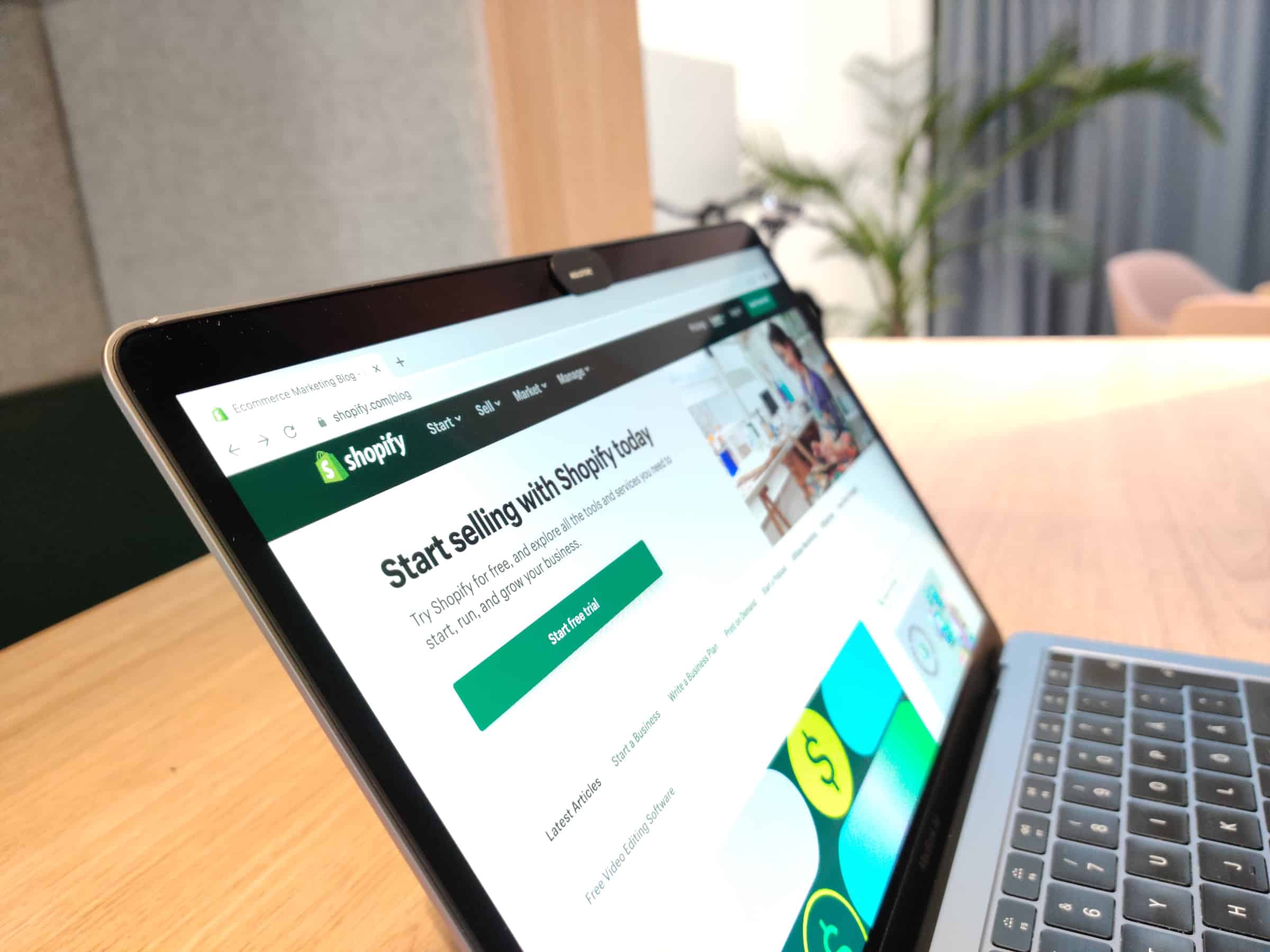
1. Shopify – Built for Selling
Shopify is perhaps the most recognized name in eCommerce platforms, and for good reason. It combines ease of use with powerful selling tools, making it a top choice for indie designers who are ready to scale.
Benefits:
- Beautiful, fashion-centric templates suited for lookbooks and product drops.
- Robust inventory control, including stock limiting features essential for limited collections.
- Integrated apps like Printful or Oberlo for those who want to test dropshipping.
- Access to Shopify POS for in-person event sales like popup shops or markets.
Drawbacks: Shopify’s costs can stack up quickly with apps and payment fees. Also, while customizable, there’s a steeper learning curve for visual changes without coding.
2. Squarespace – The Aesthetic All-Rounder
Squarespace continues to be a fan favorite for designers thanks to its stunning, minimalist templates and intuitive drag-and-drop editor. If your fashion line is rooted in visual artistry and you prioritize clean aesthetics, Squarespace could be your best match.
Benefits:
- Striking template designs made for visual storytelling and photography.
- Built-in eCommerce features including real-time inventory notifications.
- Easy blogging, perfect for showcasing the backstory and process behind each collection.
- All-in-one platform: hosting, SSL, email marketing, and analytics.
Drawbacks: While beautiful, Squarespace’s customization may be limiting for designers with advanced web needs. It’s also not the best fit for rapidly scaling businesses needing a massive product catalog or third-party logistics.
3. Webflow – Total Creative Control
For designers with a bit of tech-savviness or access to a developer, Webflow offers unparalleled creative freedom when it comes to website design. It’s the go-to for fashion creatives who want a fully custom site experience but still need basic eCommerce functionality.
Benefits:
- Pixel-perfect design control: layouts, interactions, and animations.
- CMS functionality great for managing lookbooks, press mentions, blogs, and product pages.
- eCommerce features allow you to sell products, manage inventory, and customize checkout processes.
- Integrates easily with tools like Zapier, Airtable, and Notion for creative back-end solutions.
Drawbacks: Webflow’s learning curve can be steep for non-tech users. The upfront time investment is higher than drag-and-drop platforms, but the design outcome is potentially far more rewarding.
4. Sellfy – Minimalist and Made for Selling Digital + Physical Products
Sellfy has gained traction as a creator-first platform, initially designed for digital products, but now adapted for physical sales. For indie designers who may also sell digital patterns, eBooks, or downloadable content alongside apparel, Sellfy provides a unique combination of simplicity and versatility.
Benefits:
- Easy setup with no coding required.
- Sell both physical and digital goods, making it great for hybrid fashion entrepreneurs.
- Built-in marketing tools like discount codes, abandoned cart recovery, and email marketing.
- Subscription model support for membership-based fashion experiences or limited clubs.
Drawbacks: It’s not as design-flexible as other platforms like Webflow or Squarespace. Limited template options mean less branding control for visually-driven designers.
5. Big Cartel – For Artisans Who Keep It Simple
Big Cartel is tailored for indie creators who want a lightweight, no-fuss online store. While it won’t win awards for advanced functionality, it offers an elegant way for micro-brands to get online and start selling without lots of overhead or time spent on setup.
Benefits:
- Free plan available for up to 5 products—great for limited launches.
- Designed for artists and makers, with a straightforward dashboard and order management.
- Custom domain, Google Analytics, and discount tools included.
- Curated style templates suitable for modern indie aesthetics.
Drawbacks: As the brand grows, Big Cartel may feel too limiting. It lacks deep analytics, advanced SEO tools, or integrations compared to heavyweight platforms like Shopify.
Choosing the Right Platform for You
Your choice of website builder heavily depends on your tech comfort level, visual preferences, and business scale. Here’s a quick cheat sheet based on brand needs:
- If you value customization and have some tech knowledge: Webflow
- If you need a fast, beautiful site with built-in sales tools: Squarespace
- If you want powerful eCommerce features with full scalability: Shopify
- If you sell digital and physical products: Sellfy
- If you’re just starting or testing an idea: Big Cartel

Final Thoughts
In the world of independent fashion, your website should parallel the quality and creativity of your garments. A unique brand demands a digital presence that doesn’t compromise. Whether you’re launching capsule collections for a niche audience or combining fashion with digital art and storytelling, the right website builder can bring vision to reality—while making sales seamless, secure, and scalable.
Remember, the most effective website isn’t the most expensive or complex—it’s the one that feels like you and grows with your brand. Try demos, explore templates, and visualize your whole collection thriving online. The only limit is your imagination.