After 30 days of hands-on keyword research with LongTailPro, I walked away with clearer insights—not just about the software, but about how modern SEO really works. Keyword tools promise faster rankings, better targeting, and smarter content planning. But what actually happens when you rely on one tool daily for a full month? The answer is more nuanced—and more practical—than most reviews suggest.
TLDR: After 30 days of consistent keyword research, LongTailPro proved especially valuable for uncovering low-competition opportunities quickly and organizing keyword strategies efficiently. Its Keyword Competitiveness (KC) score simplified decision-making, but accuracy still depends on manual review. While not perfect, it significantly streamlined content planning and niche validation compared to manual processes or broader SEO tools.
Takeaway #1: The Keyword Competitiveness Score Speeds Up Decision-Making—But Shouldn’t Replace Judgment
The standout feature of LongTailPro is its Keyword Competitiveness (KC) score. Within seconds, you get a numerical indicator (from 0 to 100) estimating how difficult it will be to rank for a keyword.
After 30 days of daily use, one thing became crystal clear: this score dramatically reduces research time.
Instead of manually analyzing:
- Domain authority
- Backlink profiles
- Page authority
- Content strength
- On-page optimization
You can instantly filter dozens—or hundreds—of keywords and prioritize those below a certain KD (keyword difficulty) threshold.

However, here’s the critical lesson: KC is a starting point, not the final verdict.
During the month-long test, I noticed some keywords with a favorable KC score (under 30) were still realistically difficult due to:
- Strong topical authority from competitors
- High-quality content already ranking
- Search intent mismatch
Conversely, a few higher-KC keywords were surprisingly achievable when search results included outdated pages or forum threads.
The takeaway? Use the KC score as a filter—not a replacement for manual SERP analysis. When paired with 2–3 minutes of visual inspection of search results, it becomes extremely powerful.
Where It Excels
- Niche site research
- Affiliate content targeting
- Blog post topic validation
- Finding low-authority site opportunities
Where You Must Be Careful
- Highly competitive industries (finance, health, SaaS)
- Keywords dominated by major brands
- Search terms affected by strong search intent bias
Efficiency improves. Judgment still matters.
Takeaway #2: Long-Tail Opportunities Are Easier to Find Than You Think
One of the most surprising insights after 30 days wasn’t about the software—it was about the market.
There are far more low-competition long-tail keywords available than most creators realize.
When you seed LongTailPro with broad terms, it generates hundreds of variations, often including:
- Question-based searches
- Geo-modified phrases
- Comparison keywords
- Problem-focused queries
For example, instead of targeting something broad like:
- “best email marketing software”
You quickly uncover phrases like:
- “best email marketing software for real estate agents”
- “affordable email automation for small nonprofits”
- “email marketing tool with built in crm for startups”
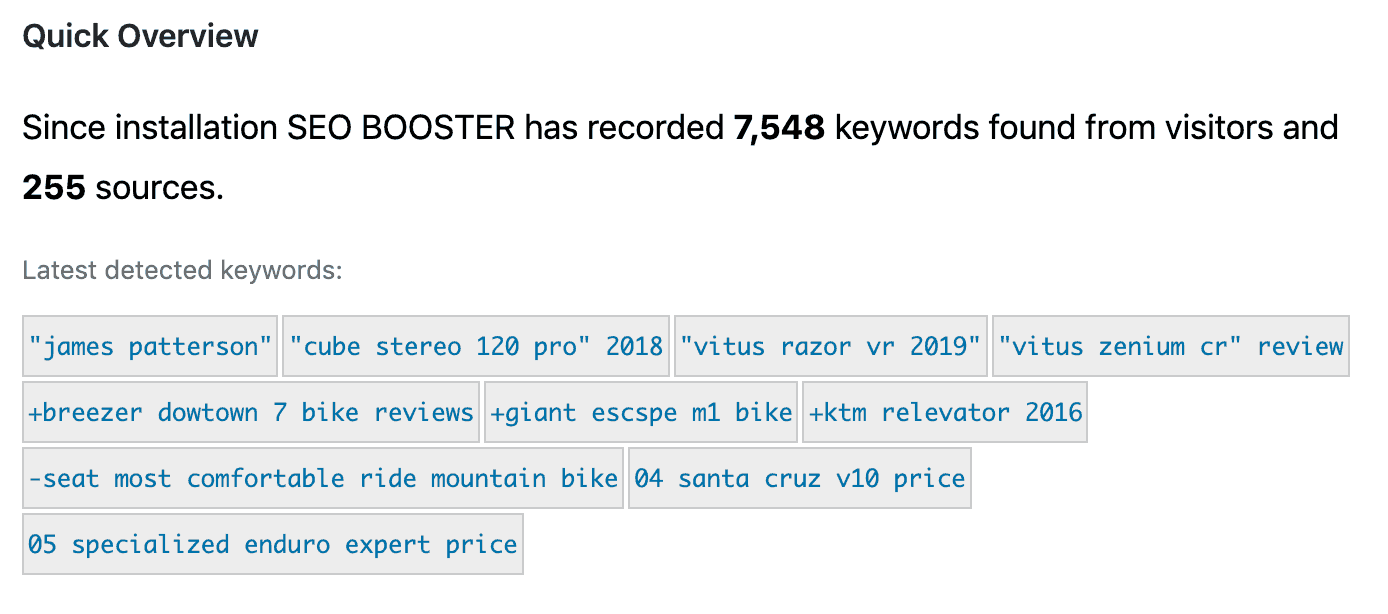
Many of these showed:
- Lower KC scores
- Moderate but meaningful search volume
- Clear commercial or problem-solving intent
This reinforced a powerful strategy principle:
Traffic compounds when you dominate clusters, not when you chase giants.
30-Day Observation
Instead of building one article targeting a high-volume 5,000-search keyword, I built:
- 6 supporting articles targeting 200–600 volume keywords
- Each with low competition
- All interconnected through internal links
The result? Early ranking signals appeared faster. Lower competition meant new pages gained traction more quickly.
LongTailPro made this clustering strategy easier because it allows:
- Bulk keyword filtering
- Exporting keyword lists
- Sorting by KC
- Tracking favorites
The tool encourages strategic thinking instead of vanity keyword chasing.
Takeaway #3: It Simplifies Niche Validation More Than Content Ideation
Before using LongTailPro for an extended period, I assumed it would primarily support content brainstorming. While it does help generate ideas, its true power emerged during niche validation.
When evaluating whether to build a site in a specific niche, three questions matter:
- Is there search demand?
- Is that demand commercially viable?
- Can realistic competitors rank?
After 30 days, I concluded LongTailPro is particularly strong at answering all three quickly.
Why It’s Effective for Validation
1. Demand Visibility
Bulk keyword generation reveals topic breadth instantly. If 500+ related long-tail variations appear, that niche likely has depth.
2. Competition Snapshot
The KC score gives immediate insight into whether the niche is dominated by authority domains.
3. Commercial Indicators
By analyzing advertiser competition and CPC (where available), you can gauge monetization potential.
During the test period, one niche idea looked interesting on the surface but revealed:
- Extremely high KC across nearly all commercial keywords
- SERP domination by government sites and large publishers
- Minimal long-tail breathing room
That insight likely saved months of wasted effort.
In contrast, another niche showed:
- Low-KC informational terms
- Moderate product-focused keywords
- Several underserved tutorial queries
That niche moved forward.
How LongTailPro Compares to Other Tools
While testing LongTailPro, I also cross-checked data with Ahrefs and SEMrush. Each tool has strengths.
| Feature | LongTailPro | Ahrefs | SEMrush |
|---|---|---|---|
| Keyword Difficulty Metric | Yes (KC Score) | Yes (KD Score) | Yes |
| Best For | Long tail discovery, niche validation | Backlink analysis, competitive research | All in one marketing suite |
| Ease of Filtering Low Competition | Very Fast | Moderate | Moderate |
| Backlink Database Depth | Limited | Excellent | Excellent |
| Pricing Accessibility | More affordable | Higher tier pricing | Higher tier pricing |
Bottom line:
- If you need deep backlink audits → Ahrefs wins.
- If you want a full marketing suite → SEMrush excels.
- If your focus is efficiently finding rankable long-tail keywords → LongTailPro shines.
Unexpected Lessons From 30 Days of Daily Use
1. Volume Isn’t Everything
Many 150-search keywords converted better than broader 1,000+ terms due to clearer user intent.
2. Clarity Beats Complexity
The simpler interface encourages focused research instead of overwhelming data analysis.
3. Speed Compounds Output
Saving 10–15 minutes per research session adds up dramatically over weeks. Faster keyword validation means faster publishing.
Who Should Use LongTailPro?
After 30 days, it became apparent that LongTailPro is particularly valuable for:
- Niche site builders
- Affiliate marketers
- Bloggers focused on organic growth
- SEO beginners overwhelmed by complex dashboards
It may be less ideal for:
- Large agencies requiring deep competitor backlink data
- Enterprise teams focused on technical SEO audits
- PPC-heavy marketing strategies
Final Verdict After 30 Days
LongTailPro does not magically guarantee rankings. No tool does.
What it does instead is arguably more valuable: it makes smart targeting easier.
Over 30 days, it consistently:
- Reduced time spent evaluating keyword viability
- Highlighted overlooked long-tail opportunities
- Helped validate or eliminate niche ideas quickly
- Encouraged strategic content clustering
Its greatest strength lies in narrowing focus. Instead of chasing high-volume, high-competition keywords, it systematically pushes you toward achievable wins.
And in SEO, small achievable wins compound.
If used thoughtfully—with manual SERP checks and strategic content planning—it becomes a practical competitive advantage rather than just another subscription.
Thirty days later, the clearest insight isn’t about the software—it’s about strategy:
Long-tail precision beats broad ambition almost every time.
And LongTailPro makes that precision easier to execute.