At first glance, a bakery can look like a straightforward retail business. People walk in, pick their products, pay at the counter, and leave. But anyone who has actually run a bakery knows this picture is misleading. What happens on the surface hides a much more complex operation underneath. That is why POS comparison in a bakery context is very different from comparing point-of-sale systems for clothing stores, cafés, or general retail.
A bakery is a production business and a retail business at the same time. Products are not simply sold. They are planned, mixed, baked, cooled, displayed, discounted, and sometimes thrown away, often all within a single day. Recipes matter. Batches matter. Timing matters. Compliance matters. And all of it happens under heavy time pressure, especially during the morning rush.
Unlike standard retail, a bakery’s product range keeps changing throughout the day. Prices can depend on freshness or time of day. Ingredients have to be tracked for allergens and labeling. Staff change often and are not always technically confident. Errors made at the point of sale rarely stay local. They tend to ripple back into production planning, purchasing decisions, and waste.
Because of this, choosing a POS system for a bakery is not just a technical choice. It is an operational one. It shapes how calm or how chaotic the business feels, day after day.
Core Functions Every Bakery POS Must Cover
Before looking at different system types, it helps to be clear about the baseline expectations any POS system in a bakery needs to meet. These are not advanced options or optimizations. They are the basics that allow the bakery to run without constant friction.
At the counter, speed and clarity are essential. Staff need to move through transactions quickly during peak hours, without digging through complex menus or screens. Products must be easy to locate, even when the assortment changes several times a day. Discounts, day-old prices, or time-based adjustments should not require manual fixes that slow everything down.
Compliance is another area where there is little room for compromise. Bakeries need to handle taxes correctly, record sales properly, and often provide accurate allergen and ingredient information. The POS system supports this, even if it is not the tool that creates recipes or labels itself.
Product handling in bakeries also works differently. Many items are sold per piece, others by weight, and some as bundles. Certain products exist for only a few hours, while others are ordered in advance. A POS system that assumes a fixed product list quickly runs into trouble in this environment.
Usability is often underestimated. Bakeries rely heavily on part-time staff, seasonal workers, or trainees. If the POS system demands long training or constant supervision, it turns into a bottleneck instead of something that helps.
These core functions define the minimum level a system needs to reach. The real differences show up when looking at how various POS system types deal with bakery-specific complexity.
POS System Types Explained
Checkout-Focused POS Systems
Checkout-focused POS systems are built mainly to process transactions fast. Their main strength is speed at the counter. They tend to work best where products are simple, prices do not change much, and inventory is not complicated.
For very small bakeries with a narrow assortment and no real production planning, this type of system can feel adequate in the beginning. It takes payments, prints receipts, and records basic sales figures. For a single owner-operator selling a limited range, that simplicity can be attractive.
The limits show up as soon as things get more complex. These systems usually have little understanding of how production works. They do not account for recipes, batches, or ingredient usage. Inventory tracking, if it exists at all, is often rough or manual. Reporting focuses on sales totals, not on how the business actually runs.
Because of that, checkout-focused systems tend to push complexity somewhere else. Owners fill the gaps with spreadsheets, notes, or separate tools for production and purchasing. What feels simple at the counter can quietly create disorder behind the scenes.
Retail POS with Inventory Extensions
Retail POS systems with inventory extensions sit a step above basic checkout systems. They are designed for stores selling physical products and include inventory tracking, categories, and reporting.
In bakeries where production is very simple or handled elsewhere, these systems can work reasonably well. They help track stock levels, highlight best-selling items, and manage pricing more systematically than pure checkout systems.
The problem is that retail inventory logic does not match bakery reality very well. Inventory is tracked as finished products, not as ingredients or recipes. When a croissant is sold, the system reduces a product count, but it does not reflect flour usage, butter consumption, or tomorrow’s baking needs.
This usually leads to workarounds. Staff adjust inventory by hand. Production planning happens outside the system. Over time, the data loses accuracy, and confidence in reports fades.
Retail POS systems can make sense as a temporary solution for bakeries that are growing but have not yet centralized production or expanded to many locations. Past that stage, their structural limits become expensive.
Bakery-Specific POS Systems
Bakery-specific POS systems start from the assumption that sales and production are closely connected. They recognize that products come from recipes, that batches matter, and that the same item can exist in different states over the course of a day.
These systems usually fit bakery workflows better. They cope more naturally with product variations, time-based availability, and production-related information. For many independent bakeries or small chains, this alignment removes a lot of daily friction.
In German-speaking markets, bakery owners often describe this category with the broader industry term “bäckereisoftware”. The term reflects the idea that point of sale, production logic, and compliance belong together, not in separate tools.
Even within this category, depth varies a lot. Some systems focus mainly on the sales side, with bakery-friendly adjustments. Others move further into production planning or inventory management. How useful they are depends on how closely they match the bakery’s actual structure.
Fully Integrated Bakery Management Platforms
At the most comprehensive end are fully integrated bakery management platforms, where the POS is just one part of a larger system. These platforms treat the bakery as a single operation rather than a set of disconnected pieces.
In this setup, sales data flows directly into production planning. Recipes drive purchasing decisions. Waste, returns, and corrections are visible across the business. Management sees what is happening overall, not just what was sold.
This type of system suits bakeries with multiple locations, central production, or clear growth ambitions. It supports complexity instead of working against it. At the same time, it demands readiness. Processes must be defined, data maintained, and staff need to work consistently within the system.
For small bakeries, this level of integration can feel heavy. For larger or expanding operations, it often becomes necessary to keep control and reduce background noise.
POS Needs by Bakery Type
Single Independent Bakeries
Single bakeries usually value simplicity and speed. The owner is close to daily work and often balances system gaps with personal oversight. Here, the POS system should ease counter work and avoid adding administrative burden.
The main risk is choosing something that feels easy at first but creates hidden complexity later. Even without plans to grow, staff changes, seasonal shifts, and compliance demands can expose weaknesses over time.
Multi-Location Bakeries
Once a bakery runs more than one location, visibility becomes crucial. Management can no longer rely on gut feeling or daily presence. The POS system needs to deliver consistent data and support standard processes across stores.
Systems that operate independently at each site often lead to fragmented reporting and uneven practices. Comparing results, adjusting assortments, or planning production becomes harder than necessary.
Central Production with Outlets
Bakeries with central production and multiple outlets face a different set of pressures. Production decisions must be based on combined demand, not assumptions. Timing, logistics, and waste control depend on reliable data flowing back from the stores.
Here, the POS system does much more than handle payments. It becomes a signal source for the whole operation. Systems that isolate each store struggle in this model.
Bakeries Planning Growth
Growth creates strain before revenue catches up. New staff, more locations, and higher volumes magnify existing inefficiencies. A POS system that merely works today can actively slow things down tomorrow.
For bakeries planning to expand, the real question is not whether the current system works now, but how long it will continue to do so. Systems that absorb complexity step by step often prevent disruptive changes later.
How POS Choice Impacts Daily Operations
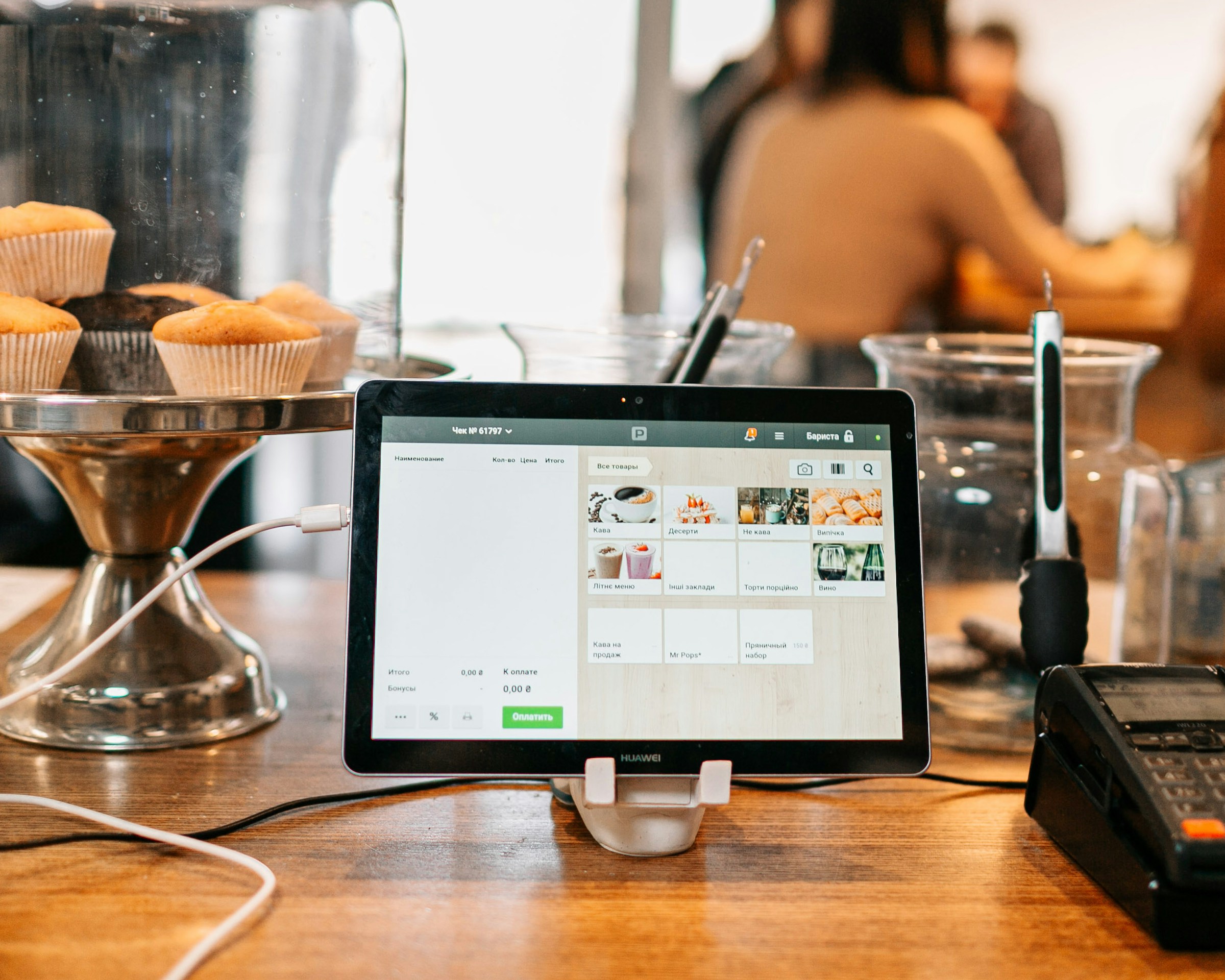
POS systems shape daily life in ways that are easy to overlook. During peak times, a poorly designed interface raises stress levels and slows service. Small delays add up fast when lines form.
Errors are another quiet cost. Wrong prices, incorrect product selections, or manual overrides create inconsistencies that take time to fix. These issues often appear after the rush, when staff are tired and less focused.
Time spent correcting mistakes is time taken away from improving the business. Managers end up reconciling data, fixing inventory, or answering questions instead of working on quality or growth.
Onboarding is affected as well. A clear, intuitive system shortens training and reduces reliance on specific people. In an industry with frequent staff turnover, that matters.
Management visibility ties it all together. When data is scattered or unreliable, decisions become reactive. When the picture is clear, planning feels calmer and more controlled.
Common POS Comparison Mistakes in Bakeries
A frequent mistake is choosing based on price instead of fit. A cheaper system that needs constant workarounds often costs more through inefficiency and errors.
Another is comparing feature lists without looking at how those features fit real workflows. What looks impressive on paper may not match daily bakery operations at all.
Some bakeries choose systems out of familiarity, especially if they come from non-bakery retail. That can create a mismatch between system logic and production reality.
Underestimating future complexity is also common. Even stable bakeries change over time. Systems that cannot adapt create pressure points that are difficult to relieve later.
How to Make a Confident POS Decision
A confident decision starts with an honest look at current operations. How complex is production? How dependent is the business on accurate planning? How much manual coordination exists right now?
Structural clarity follows. Is production centralized or spread out? Are locations independent or tightly linked? The POS system should support that structure, not work against it.
The growth horizon matters too. Choosing only for today ignores what tomorrow may bring. At the same time, overengineering creates its own friction.
Operational maturity plays a role. Integrated systems require discipline. Simpler systems demand compensation elsewhere. Knowing where the bakery sits helps avoid misalignment.
Final Takeaway
POS comparison in bakeries is not about finding the system with the most features or the lowest price. It is about choosing a system type that fits how the bakery actually operates.
The right POS system reduces chaos. It supports staff under pressure, gives management clarity, and adapts as the business changes. The wrong system does the opposite, slowly adding friction until it cannot be ignored.
By focusing on fit instead of hype, bakery owners can choose systems that bring calm, control, and long-term stability rather than constant firefighting.