Canada is a country that dazzles with natural beauty, multicultural cities, and vast, untouched wilderness. While most travelers plan their trips during the peak summer months or in mid-winter to indulge in skiing, there’s a little-known secret that seasoned travelers swear by: shoulder season. Defined as the time just before or after the peak seasons—typically spring (April to early June) and fall (September to mid-October)—this off-peak period offers a surprisingly rich and rewarding Canadian travel experience.
TLDR: Why Shoulder Season in Canada Is Worth Your Attention
If you’re looking to skip the crowds, save money, and witness Canada’s most authentic side, shoulder season is your golden ticket. From reduced accommodation rates to pleasant weather and greater access to popular attractions, off-peak months can be a dream for the savvy traveler. However, shoulder season also presents unique challenges that many visitors aren’t prepared for. Read on to discover what no one tells you about traveling to Canada during this underrated period—and how to make the most of it.
1. Costs Are Lower—But Not Uniformly
One of the most touted advantages of traveling during shoulder season is reduced prices. It’s true—airfares, hotels, tours, and car rentals are notably cheaper compared to peak summer or ski season. Many resorts and lodges offer season-closing or season-opening deals to attract shoulder season travelers. But this comes with a caveat.
Luxury experiences and remote lodges may close altogether during shoulder seasons, particularly in regions like the Canadian Rockies and parts of northern British Columbia. In more tourist-driven cities like Vancouver, Toronto, or Montreal, prices might drop only marginally due to consistent year-round demand.
- Check for hidden fees or seasonal service cuts in your accommodation packages.
- Book flexible rates when possible—some offers are “shoulder-exclusive” and non-refundable.
- Equipment rentals like bikes or kayaks may be discounted or unavailable depending on the area.
2. The Weather Is a Wild Card
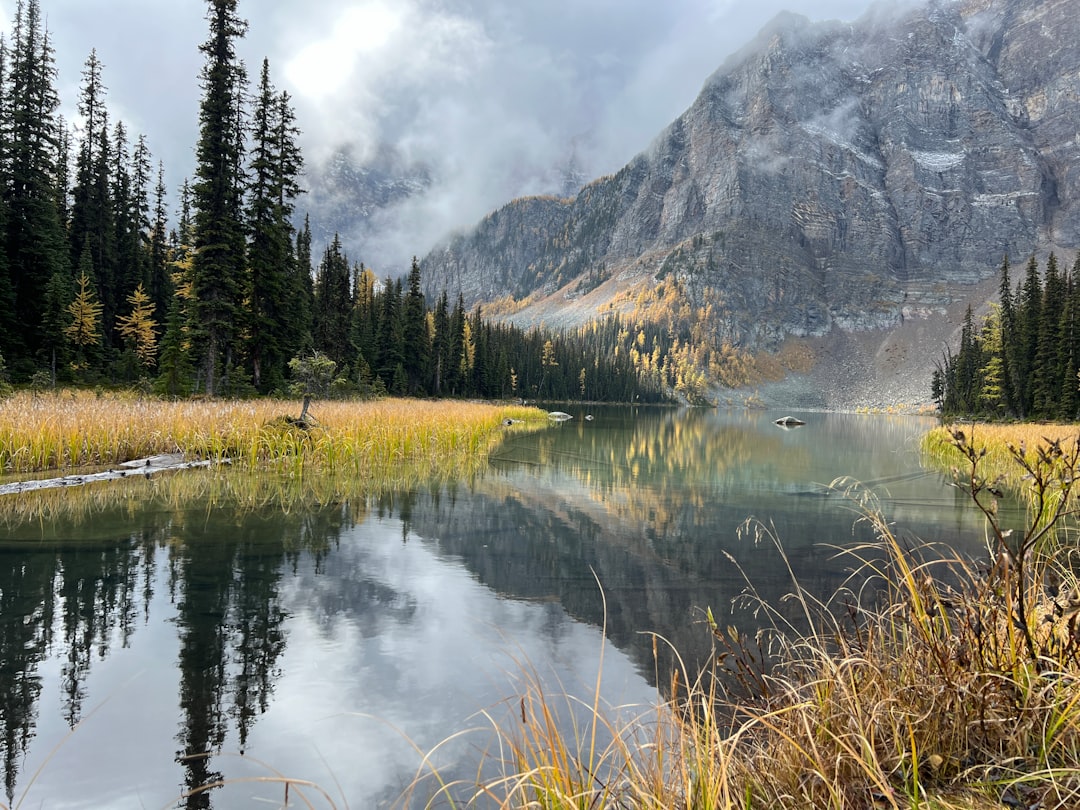
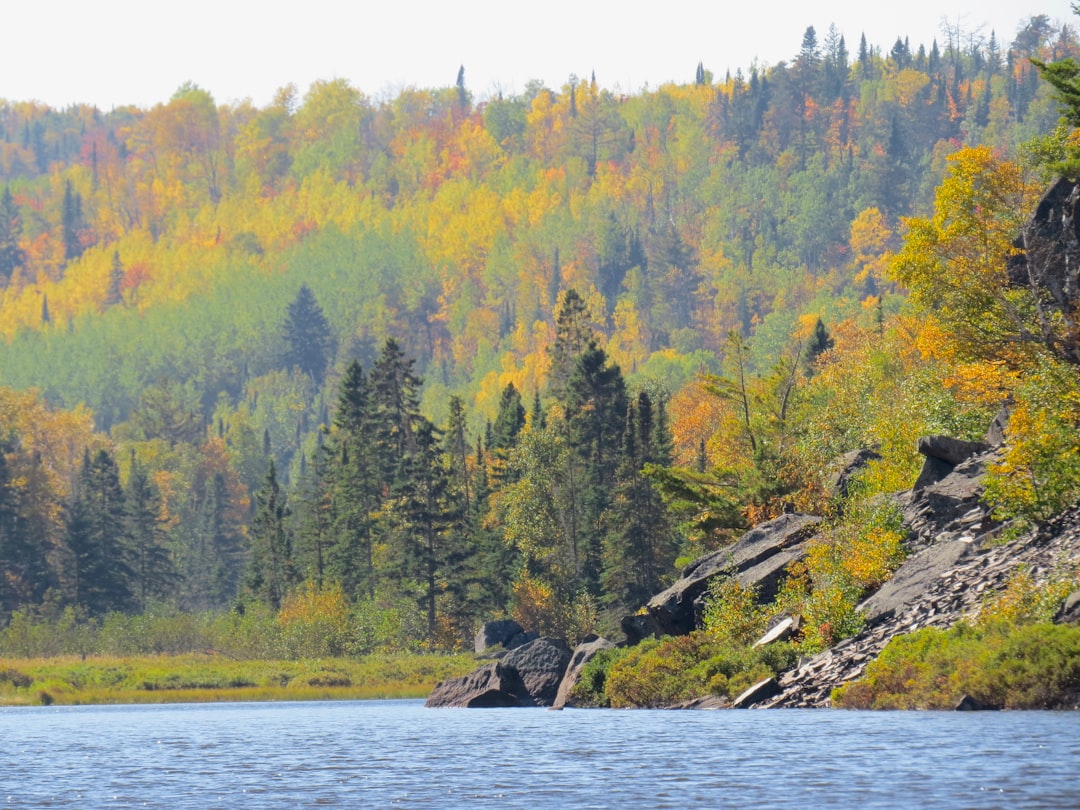
This is perhaps the most unpredictable part of shoulder season travel—dramatic shifts in weather patterns. In spring, snowmelt can cause mucky hiking trails and flood-plagued rural roads. In fall, a temperature shift of 10°C in a day is not uncommon. That said, those moments of climatic uncertainty also create magic—waterfalls at their most powerful in spring, and fiery foliage-draped landscapes in autumn.
Pack for all four seasons, even if your trip spans only a week. Rain shells, layers (especially merino wool or fleece), and waterproof hiking boots are essential. Weather apps can only help so much; conditions change fast, particularly in places like Banff, Jasper, and Cape Breton Highlands.
3. Seasonal Attractions May Be Fully or Partially Closed
Many tourists find themselves disappointed upon learning that a star attraction is closed for the season. Ferries, interpretive centers, and even shuttle services in national parks operate only from late June through early September. Shoulder season might mean fewer crowds but also reduced service.
To avoid missing out:
- Research each destination’s specific operating windows.
- Check National Parks Canada’s website for up-to-date seasonal schedules and closures.
- Call ahead if you’re uncertain about boat tours, wildlife excursions, or guided hikes.
Another tip: certain festivals and cultural events occur exclusively during shoulder season, especially in Quebec and Ontario. Wine harvest festivals, tulip and lilac exhibitions, or Indigenous powwows in the fall can turn your trip into something truly memorable.
4. Wildlife Experiences Are More Authentic—If Less Predictable
While spring and fall offer excellent opportunities for wildlife spotting, keep in mind that animals behave differently in these transition periods. Bears re-emerge in spring and forage closer to human trails. Moose and elk engage in rutting activities in fall, making them simultaneously more visible and more aggressive.
Shoulder season often means:
- No queue to see elusive wildlife
- Quiet backdrops that make sounds like birdsong or wolf howls more perceptible
- Greater need for vigilance and prepared behavior around wild animals
Bring binoculars, stay on marked trails, and consider a licensed guide if you hope to track or photograph wildlife.
5. Don’t Underestimate the Bugs
Spring, especially in more humid or forested areas like Ontario and Manitoba, can bring a barrage of mosquitos and blackflies. Since most travelers don’t expect such nuisances outside of July and August, they’re frequently unprepared. Fall is far better in this regard, but early September can still see bug activity depending on rainfall.
What to bring:
- Insect repellent with DEET or picaridin
- Lightweight, long-sleeved clothing with elastic cuffs
- Head nets if hiking near wetlands or lakes
6. Shoulder Season Offers Outstanding Photography Opportunities
Canada’s shoulder season is a visual feast for photographers. The transitional light, morning mist over lakes, and shallow angle of the sun during these months leads to photographs rich in contrast and mood. Plus, with fewer tourists around, you’re more likely to get that perfect shot without waiting for someone to clear the frame.
Highlights include:
- Fall foliage along the Cabot Trail in Nova Scotia
- Morning alpenglow on snowy peaks in the Rockies
- Urban reflections and color in cities like Montreal and Vancouver
Bring weather-sealed gear if possible. Shoulder season environments, especially moisture and wind, can be tougher on electronics.
7. Driving Conditions Demand Caution
If you’re planning a road trip during the shoulder season—especially in the spring or the Canadian Rockies—you must prepare for difficult driving conditions. Roads may be icy in the morning, particularly in higher elevations, and thaw cycles can lead to pothole-ridden byways. Rental car agencies may not automatically provide winter tires unless specifically requested.
Tips for safe driving:
- Request all-season or winter tires depending on your travel dates
- Carry emergency supplies: blankets, power bank, flashlight, water, and snacks
- Plan routes with access to fuel and accommodations in case of unexpected closures
8. Shoulder Season Hospitality Feels More Personal
One of the underrated joys of traveling Canada off-peak is the quality of interaction with locals. With fewer travelers, innkeepers, guides, and shop owners often have time to engage more deeply with guests. Whether it’s an in-depth conversation about maple syrup making or a spontaneous tour of a community art studio, you’re more likely to encounter what people call “real Canada.”
Bonus Tip: Consider staying in locally owned B&Bs or boutique inns rather than impersonal hotels. Not only are they often better priced in shoulder season, but the local knowledge and warmth you’ll receive is invaluable.
Final Thoughts
Traveling during Canada’s shoulder seasons isn’t just about finding cheap flights or avoiding long tourist queues—it’s about accessing a more authentic, immersive version of the country. Yes, there are some quirks and complications: unpredictable weather, sporadic services, and an occasional swarm of bugs. But for those willing to plan smartly and go with the flow, the rewards are immense.
Canada is a land of extremes, but also one of exquisite transitions. The shoulder season, often overlooked and underappreciated, might just be the perfect time to discover it.