In the age of automation and digital transformation, artificial intelligence (AI) has made it easier than ever to create websites with little to no technical skill. Platforms offering “free” AI website builders boast about drag-and-drop simplicity, instant launch capabilities, and design assistance powered by sophisticated algorithms. While these features are undeniably convenient, they often mask a slew of hidden costs that can have long-term implications for businesses and individuals alike.
TL;DR (Too Long, Didn’t Read)
“Free” AI website builders might help you launch a site quickly, but they come with limitations in customization, scalability, and ownership over your content. Hidden costs such as forced advertisements, restricted SEO capabilities, and difficulty migrating your site later can affect your brand and reach. Businesses should be particularly cautious about depending on these tools if they want to grow long-term. It’s essential to weigh convenience against control before using these platforms.
The Allure of “Free” AI Website Builders
At first glance, the idea of building an entire website for free with the assistance of AI seems like a dream come true. These platforms attract users with promises of:
- No coding knowledge needed
- Instant setup and publishing
- AI-generated content and layouts
- Free hosting and domains (with limitations)
Such offerings mostly appeal to freelancers, bloggers, startups, and small businesses with limited budgets and time. However, beneath the glittering surface lies a set of hidden trade-offs.
The Hidden Costs You Might Overlook
1. Limited Customization Options
While many “free” AI website builders offer sleek templates and layouts, these often come with restricted customization capabilities. Users are boxed into pre-designed frameworks, limiting their ability to personalize their website to reflect their brand identity properly.
Even small changes—like adjusting the layout structure, adding custom code snippets, or integrating a particular tool—may be locked behind a paywall. This limitation especially affects businesses that aim to scale or differentiate themselves visually and functionally.
2. Advertisements and Branding
One of the most frequent complaints about “free” builders is the inclusion of mandatory ads and branding from the platform itself. These elements can significantly impact user experience and brand credibility.
Visitors to the website may see:
- Banner ads that distract or annoy users
- “Powered by XYZ” messages in the footer
- Pop-ups encouraging readers to try the website builder
Such placements not only clutter the design but also compromise the professionalism of the website, especially for businesses seeking to establish authority and trust.
3. SEO Limitations
For businesses that depend on organic search traffic, Search Engine Optimization (SEO) is crucial. Unfortunately, many free AI website builders offer very limited SEO tools and controls. This can impact how a website is indexed and ranked by search engines like Google.
Some common SEO limitations include:
- Inability to edit meta tags and structured data
- Slow-loading pages that hurt rankings
- Lack of schema markup for enhanced search result visibility
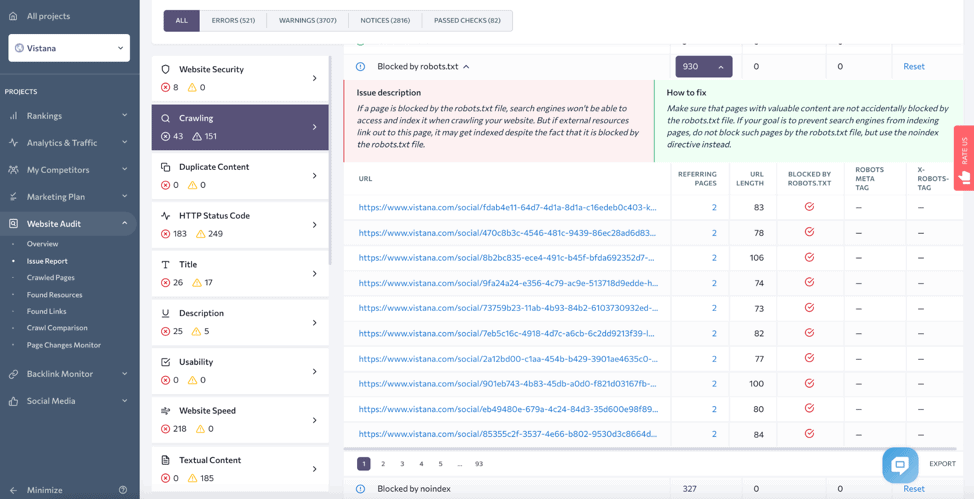
These limitations can substantially reduce a website’s discoverability, attracting less traffic despite solid content or interesting products.
4. Lack of Data Ownership and Portability
Perhaps one of the most concerning hidden costs is the issue of ownership. Often, websites created on free AI platforms are hosted on proprietary systems, meaning users don’t own the platform code or structure of their websites. Moving your site to another platform can be either extremely difficult or entirely impossible.
This becomes especially problematic under circumstances like:
- The company changes its terms of service
- Your website is flagged or removed without clear explanation
- You want to switch platforms for better features
Users may find themselves forced to rebuild their entire website from scratch, losing valuable content, formatting, and SEO progress in the process.
5. Basic Analytics and Limited Integrations
Free tiers often offer only basic analytics dashboards. Without access to sophisticated analytics tools or the ability to integrate with third-party services like Google Analytics or HubSpot, users miss out on valuable insights into their traffic, conversion rates, and user behavior.
Additionally, many third-party services such as CRM tools, marketing automation systems, or advanced payment gateways require integration capabilities that free platforms regularly restrict.
6. Performance and Security Concerns
While big-name platforms offer adequate security, not all “free” AI website builders maintain robust security standards or performance infrastructures. This can lead to:
- Frequent downtimes
- Vulnerable data storage
- Slow-loading content
In the worst cases, compromised websites may affect business operations or damage customer trust.

More Costly in the Long Run
Ironically, what starts as a zero-cost web solution often grows more expensive over time. As users seek to remove advertisements, add custom domains, improve SEO, or gain more storage, the costs quickly add up—and frequently at less favorable rates than if they had started with a paid professional host or CMS.
Moreover, the hidden fees are not just monetary. The price includes time lost redoing work on new platforms, brand damage due to unreliable performance or cluttered pages, and opportunities missed from poor search engine visibility.
When Is a “Free” AI Website Builder Worthwhile?
Despite all these pitfalls, there are cases where using such a builder may be beneficial, especially when:
- The website is for personal or experimental use
- You are testing a minimal viable product (MVP)
- The objective is to get something live quickly without high expectations
However, for established businesses, professional portfolios, or e-commerce platforms, the benefits of using a “free” AI builder rarely outweigh the drawbacks.
Final Thoughts
The promise of a free, AI-driven, hands-off website is compelling, especially for those without technical know-how or available funds. But as with most things in tech, there’s no such thing as “free” without consequences. Understanding the limitations and hidden costs associated with these platforms allows users to make informed decisions that align with their long-term goals and growth strategies.
Frequently Asked Questions (FAQ)
Is it really free to use AI website builders?
Most platforms offer a free-tier version, but significant functionality—like removing ads, custom domains, and better SEO options—is typically locked behind paid plans.
Can I transfer my website from an AI builder to another platform?
Usually not easily. Most AI website builder platforms are proprietary, meaning that migrating your full website structure and content is either restricted or highly inconvenient.
Do free AI builders allow for e-commerce features?
Basic e-commerce functions might be available, but advanced features such as custom payment gateways, analytics, or inventory tracking are generally limited or require a paid upgrade.
Are AI-built websites SEO-friendly?
Only to a point. While some AI builders offer basic SEO tools, they often lack depth in customization, which can hinder search engine ranking potential.
Who should consider using a free AI website builder?
Users with limited needs—such as students, hobbyists, or individuals trying out ideas—may find free AI builders helpful. However, businesses and professionals should consider more robust alternatives.