Modern digital products generate massive volumes of user data, but collecting meaningful insights from that data requires the right analytics platform. Automatic event tracking tools, similar to Heap, have transformed how product teams measure user behavior by eliminating the need for manual event tagging. These platforms automatically capture interactions such as clicks, page views, form submissions, and user flows—enabling teams to analyze product performance retroactively without complex setups.
TLDR: Product analytics tools like Heap automatically capture user interactions, allowing teams to analyze behavior without manually defining every event. Popular alternatives include Mixpanel, Amplitude, Pendo, PostHog, and FullStory. Each tool varies in strengths such as funnel analysis, behavioral cohorts, product experimentation, and session replay. Choosing the right platform depends on product size, budget, privacy requirements, and analytics sophistication.
As businesses increasingly rely on data-driven decision-making, understanding user journeys has become a competitive advantage. Automatic event tracking ensures that no behavioral data is lost and allows teams to explore insights even if they didn’t anticipate a specific metric in advance. Below is a deep dive into top product analytics tools that offer capabilities similar to Heap, along with their defining features and comparison points.
Why Automatic Event Tracking Matters
Traditional analytics tools require developers to manually define events before collecting data. This means if a team forgets to track a particular interaction, the data is permanently lost.
Auto-capture tools solve this problem by:
- Automatically recording clicks, form submissions, and page visits
- Allowing retrospective analysis
- Reducing engineering workload
- Speeding up experimentation cycles
- Improving cross-team collaboration
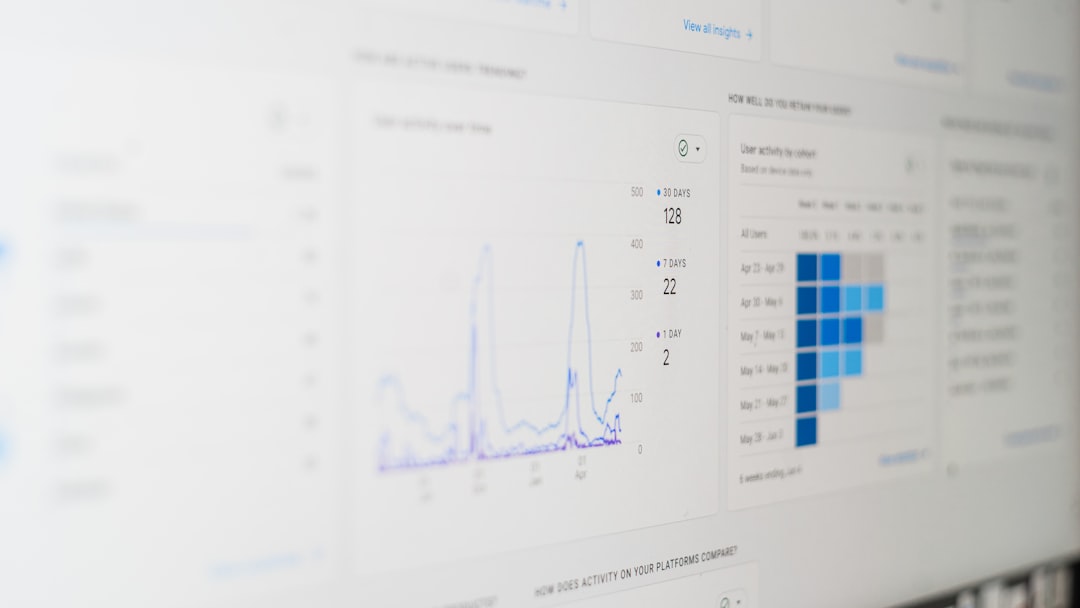
With these benefits in mind, let’s explore leading product analytics platforms similar to Heap.
1. Mixpanel
Best for advanced behavioral analysis and funnel tracking.
Mixpanel is a widely recognized event-based analytics platform that focuses on tracking user interactions across web and mobile applications. While it traditionally required event implementation, modern versions support auto-capture features similar to Heap.
Key Features:
- Event-based tracking
- Advanced funnel analysis
- Behavioral cohort creation
- Retention and engagement reports
- A/B testing integrations
Strengths: Powerful reporting capabilities and flexible segmentation.
Limitations: Can become expensive at scale.
2. Amplitude
Best for enterprise-grade product analytics.
Amplitude provides deep behavioral insights and strong predictive analytics capabilities. It combines automatic event tracking with advanced data modeling to help teams understand long-term user behavior trends.
Key Features:
- User journey mapping
- Behavioral cohorts
- Retention analysis
- Predictive analytics
- Experimentation tools
Amplitude is especially valuable for SaaS companies that rely on detailed product usage metrics to drive growth.
3. Pendo
Best for product experience and in-app guidance.
Pendo goes beyond analytics by combining event tracking with in-app messaging and user onboarding tools. Its automatic event capture makes it easy for product managers to analyze feature adoption without engineering resources.
Key Features:
- Automatic event tracking
- In-app guides and walkthroughs
- NPS and feedback tools
- Feature adoption reporting
This makes Pendo particularly suitable for teams looking to improve onboarding and user engagement directly within the product interface.

4. PostHog
Best for privacy-conscious and open-source teams.
PostHog offers an open-source alternative to mainstream analytics tools. It supports automatic event capture and can be self-hosted, giving organizations greater control over data privacy and compliance.
Key Features:
- Auto-capture tracking
- Session recordings
- Feature flags
- Experiments and A/B testing
- Self-hosted or cloud deployment
Startups and privacy-sensitive industries often prefer PostHog due to its flexibility and data ownership capabilities.
5. FullStory
Best for session replay and user experience diagnostics.
FullStory blends automatic event tracking with robust session replay functionality. While its primary strength lies in UX debugging, it also provides meaningful product analytics capabilities.
Key Features:
- Session replay
- Automatic interaction tracking
- Conversion funnels
- Frustration signal detection
- Heatmaps
FullStory is ideal for teams focused on identifying usability issues and improving digital experiences.
Comparison Chart: Heap Alternatives
| Tool | Auto Event Capture | Funnel Analysis | Session Replay | Best For | Deployment |
|---|---|---|---|---|---|
| Mixpanel | Partial | Advanced | Limited | Behavioral insights | Cloud |
| Amplitude | Yes | Advanced | No | Enterprise analytics | Cloud |
| Pendo | Yes | Moderate | No | Product onboarding | Cloud |
| PostHog | Yes | Advanced | Yes | Privacy focused teams | Cloud or Self hosted |
| FullStory | Yes | Moderate | Advanced | UX optimization | Cloud |
How to Choose the Right Tool
Selecting the right product analytics platform depends on several factors:
1. Company Size and Budget
Startups may prioritize flexible pricing and fast setup, while enterprises often need scalability and compliance features.
2. Technical Resources
Automatic capture reduces engineering reliance, but advanced customization may still require development support.
3. Data Privacy Requirements
Organizations handling sensitive user data should consider self-hosted or privacy-first options like PostHog.
4. Product Complexity
SaaS platforms with complex user journeys benefit from advanced funnel and cohort analysis.
5. Need for Additional Features
Some teams value integrated tools such as:
- Session replay
- Feature flagging
- In-app messaging
- Experimentation frameworks
Key Benefits of Using Auto-Tracking Analytics Tools
Adopting an automatic event tracking solution provides substantial advantages:
- Faster implementation
- Reduced human error in event tagging
- Greater flexibility in analysis
- Improved collaboration between product, marketing, and engineering teams
- More accurate user journey mapping
These tools empower teams to move from reactive reporting to proactive product optimization. Instead of waiting for monthly reports, teams can monitor live behavioral data and experiment rapidly.
Common Challenges
Despite their advantages, automatic tracking platforms also present challenges:
- Large volumes of raw data requiring structured organization
- Potential data privacy concerns
- Learning curve for advanced analytics features
- Scaling costs as event counts increase
To mitigate these issues, companies should establish clear KPIs, define naming conventions, and maintain strong data governance practices.
Future Trends in Product Analytics
The next generation of product analytics tools is increasingly incorporating:
- AI-powered insights and anomaly detection
- Predictive user churn modeling
- Cross-platform tracking (web, mobile, API)
- Privacy-enhanced measurement frameworks
Automation will likely become even more sophisticated, enabling real-time personalization and adaptive user experiences.
FAQ
1. What makes Heap different from traditional analytics tools?
Heap automatically captures all user interactions by default, allowing teams to define events retroactively. Traditional tools typically require manual event tracking setup before data collection.
2. Are automatic event tracking tools suitable for small startups?
Yes. Many platforms offer free tiers or scalable pricing models. Auto-capture reduces engineering overhead, making them especially helpful for small teams.
3. Do these tools affect website performance?
Most modern analytics tools are optimized to minimize performance impact. However, excessive session replay recordings or poorly implemented scripts can slightly affect load times.
4. Is self-hosting analytics software better for privacy?
Self-hosting solutions like PostHog offer greater control over user data, which can help meet strict compliance or regulatory requirements.
5. What is the most important feature to look for?
The most important feature depends on business goals, but automatic event capture, funnel analysis, and cohort segmentation are generally essential for data-driven product growth.
6. Can these tools replace traditional web analytics platforms?
Product analytics tools complement rather than fully replace traditional web analytics. While they offer deeper behavioral insights, companies may still use web analytics platforms for traffic acquisition and marketing attribution.
In today’s competitive digital environment, automatic event tracking platforms provide indispensable visibility into user behavior. Whether a company prioritizes advanced funnel analytics, onboarding optimization, privacy compliance, or session replay diagnostics, there is a Heap alternative capable of meeting those needs. By carefully evaluating features, scalability, and long-term strategy alignment, organizations can transform raw user interactions into actionable growth insights.