As the digital economy continues to expand exponentially, data centers have become indispensable assets to governments, corporations, and consumers alike. However, their rapid proliferation has brought about an equally significant challenge: energy consumption. Powered Magazine focuses on cutting-edge energy solutions in today’s data centers, offering insights into innovations that aim to strike a balance between performance and sustainability.
TLDR
Powered Magazine examines how energy demands in data centers are rising alongside digitalization and how innovative energy solutions are helping to counterbalance these increases. By exploring renewable energy integration, advanced cooling technologies, and smart energy management systems, the magazine sheds light on sustainable practices within the tech infrastructure space. Key case studies and expert insights illustrate the path toward greener data centers. The future of computing doesn’t have to come at the cost of the planet.
The Energy Challenge in Data Centers
Modern data centers are power-hungry ecosystems. According to industry estimates, data centers account for approximately 1% of global electricity demand—a number projected to grow drastically with the increasing reliance on cloud services, AI processing, and edge computing.
Power is primarily consumed by three components:
- Servers and processing equipment – These are the heart of any data center, performing essential operations at high speed.
- Cooling systems – Ensuring optimal operating temperatures often requires more than 40% of the total energy used in a facility.
- Power conversion and backup systems – These include Uninterruptible Power Supplies (UPS), transformers, and battery backups essential for continuity.
This level of consumption prompts critical questions: How can data centers become more energy-efficient? What new technologies are emerging to address the power load? Powered Magazine dives deep into these questions with every issue, analyzing both ongoing challenges and sustainable opportunities.
Innovative Cooling Technologies
One of the most energy-taxing aspects of running a data center is climate control. Traditional air cooling methods are inefficient in high-density server environments, spurring innovation in this domain.
Liquid immersion cooling is rapidly making headway. In this model, servers are submerged in non-conductive cooling liquids that absorb heat more efficiently than air. This method greatly reduces the demand for conventional HVAC systems.
Meanwhile, direct-to-chip cooling brings coolants directly to hot points, minimizing energy wastage. Some newer facilities are also being built in naturally cooler climates to take advantage of free cooling methods like outside air intake or water cooling from local resources.
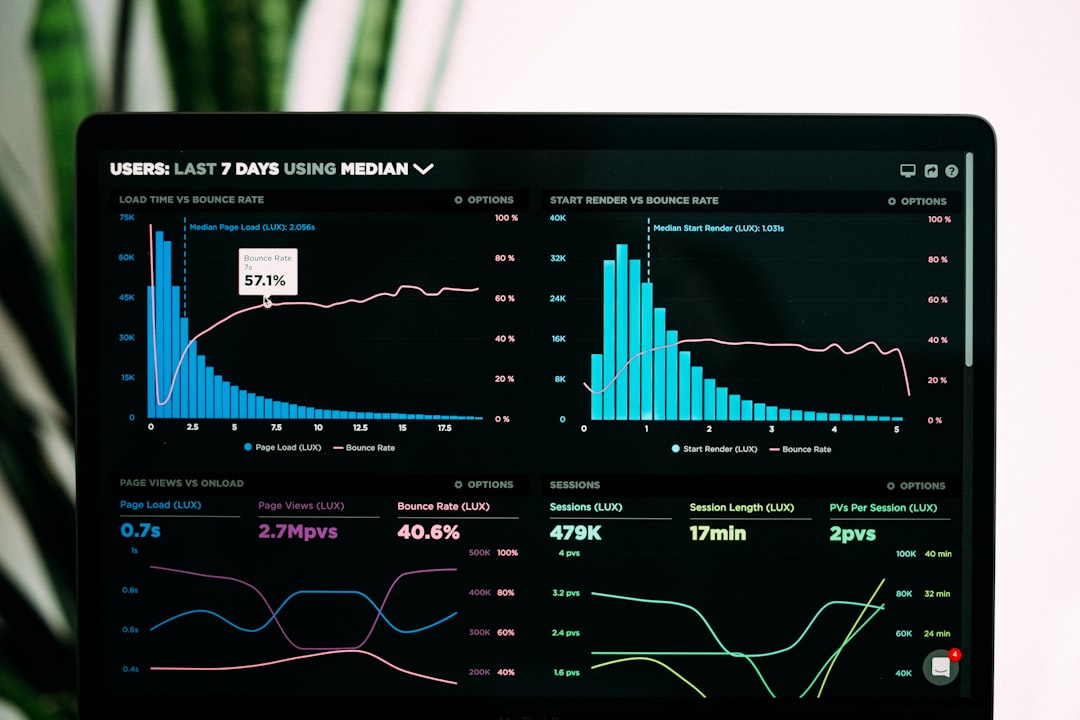
Powered Magazine recently featured a Scandinavian data center that implemented a lake-based thermal exchange system, utilizing cold lake water to cool servers year-round. The outcome? A 45% reduction in total energy use.
Renewable Energy Integration
The drive toward net-zero operations is pushing many data center operators to explore renewable energy sources.
Solar and wind energy now supply power to a growing number of hyperscale data centers. Power Purchase Agreements (PPAs) have emerged as a popular contract model where data center operators commit to buying renewable energy from specific farms, encouraging further investment in clean energy projects.
Moreover, on-site renewable installations such as rooftop solar panels and small wind turbines are becoming more feasible for enterprise-level data centers. Some centers even optimize energy storage solutions like lithium-ion or solid-state batteries to smooth fluctuations in power supply, enhancing the reliability of renewables for mission-critical operations.
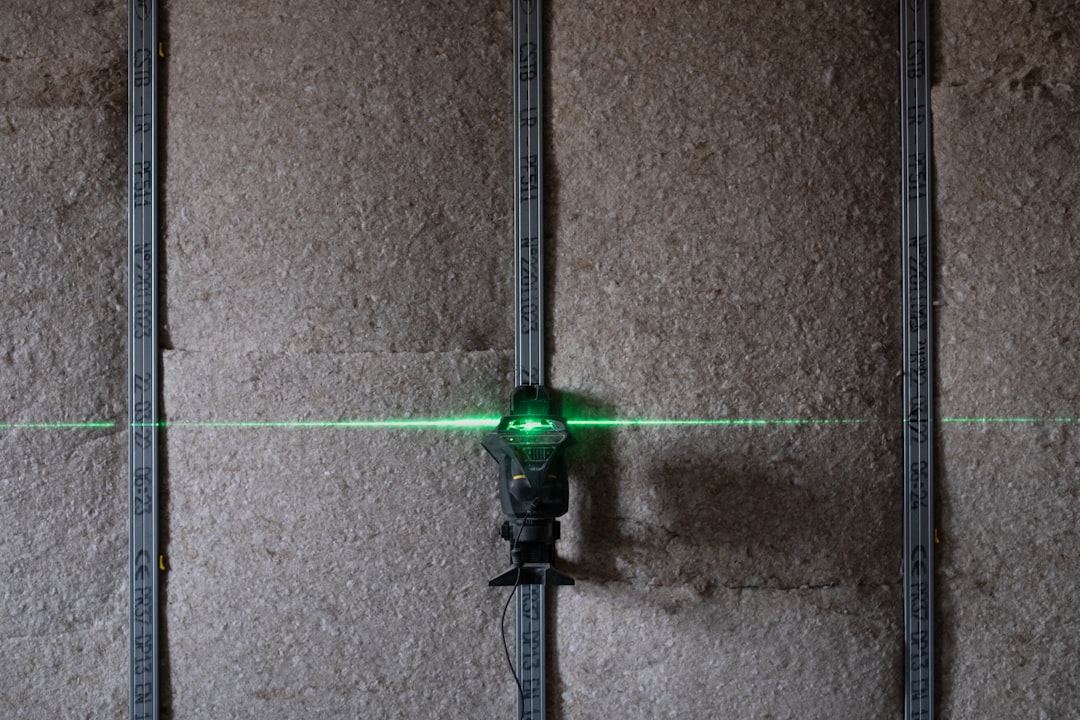
In its recent feature, Powered Magazine highlighted a California-based data center that runs 100% on solar power during daylight hours, complemented by battery backups for overnight operations. This setup eliminated the need for diesel generators and cut annual carbon emissions by 70%.
Smart Energy Management Systems
Beyond hardware upgrades, software-driven solutions are playing a major role in reducing data center energy consumption. Smart Energy Management Systems (EMS) use AI and machine learning algorithms to dynamically adjust power distribution, leading to optimized performance and reduced waste.
Key functions of these systems include:
- Predictive analysis of energy load and demands.
- Automated adjustments in cooling and server loads based on real-time data.
- Intelligent power capping that limits underutilized systems.
Machine learning can also predict the failure of energy components like transformers or UPS units before issues arise, allowing preventive maintenance and avoiding energy inefficiency due to faulty systems.
Modular Data Center Design
Another energy-wise trend covered in Powered Magazine is the rise of modular architecture. Unlike traditional massive server farms, modular data centers are designed as portable, scalable units that optimize spatial and power efficiency.
This design reduces cooling inefficiencies by isolating server clusters and maintaining only necessary power levels, all while allowing rapid deployment in various environments. It’s a game-changer for remote or temporary enterprise needs.
Some high-performance computing (HPC) providers have built container-sized data modules that plug directly into renewable microgrids, achieving both scalability and sustainability effortlessly.
Government Regulations and Green Certifications
Policies and industry standards are also pushing data centers toward greener practices. Countries in the EU, for example, require energy efficiency disclosures and place incentives on low-emission operations.
Powered Magazine explores frameworks like Energy Star for Data Centers, ISO 50001 energy management certification, and LEED (Leadership in Energy and Environmental Design) ratings, which encourage operators to integrate sustainable practices across construction and operations alike.
The Renewable Future of Data Storage
It’s clear that the role of data centers in our society will only increase, pushing innovation to the forefront. Whether it’s liquid cooling, solar farms, AI-driven management systems, or efficient architecture, energy solutions are evolving at a rapid pace.
Powered Magazine positions itself as a key storyteller and thought leader in this space, providing insights not just for tech insiders, but for sustainability advocates everywhere. With the right choices, data centers don’t have to be energy villains; they can be green pioneers.
FAQ – Data Center Energy Solutions
- What are the top energy challenges for data centers today?
The biggest challenges include high power usage from servers and cooling systems, managing power reliability, and adhering to sustainability regulations. - What is liquid immersion cooling?
It’s a method where server components are submerged in a thermally conductive dielectric liquid, allowing heat to dissipate faster and more efficiently than traditional air cooling. - Can data centers run entirely on renewable energy?
Yes, several data centers already do. By combining solar, wind, energy storage, and demand management, full renewable operation is achievable. - What are Smart Energy Management Systems?
These are AI-powered software platforms that monitor, analyze, and optimize energy use within data centers, helping to lower overall consumption and predict maintenance needs. - What certifications promote green data center practices?
Common certifications include LEED, ISO 50001, and Energy Star for Data Centers, all of which promote efficient design, operation, and energy use.