Just off the northeastern coast of Long Island, in the Town of Southold, NY 11957, lies a place of intrigue, scientific significance, and natural beauty—Plum Island. This 840-acre island, nestled between Orient Point and the southwestern shore of Connecticut, has long captured the interest of historians, scientists, conservationists, and curious locals alike. Known primarily for hosting a federal animal disease research lab, Plum Island also boasts a layered past and remains a strategically vital site along the Atlantic coast.
TLDR (Too long, didn’t read): Plum Island, located in Southold, NY, is best known as the site of the Plum Island Animal Disease Center, a key federal research facility. Historically rich, the island has been a military post, research center, and point of mystery for decades. Environmentally, it serves as a sanctuary for endangered species and offers significant coastal protection. While government plans to sell the island sparked public outcry, conservation efforts are now gaining traction to preserve this unique landmark.
Historical Context: From Colonial Days to Cold War
Plum Island’s history dates back to the 17th century. Originally inhabited by Native American tribes, English settlers acquired the island in a land transaction in 1659. Strategic due to its proximity to Long Island Sound, Plum Island became a defensive outpost by the late 19th century when Fort Terry was established to safeguard the coast during times of conflict. The fort remained active through both World Wars, playing a defensive role during WWII.
After military use waned, the island found new purpose in scientific research. In 1954, the United States Department of Agriculture (USDA) established the Plum Island Animal Disease Center (PIADC) on the island, specifically to study foreign animal diseases such as Foot-and-Mouth Disease (FMD). Given its isolated location, Plum Island was seen as a secure setting in which scientists could research without risk to mainland livestock populations.
Plum Island Animal Disease Center: A Hub of Scientific Research
The Plum Island Animal Disease Center has been at the heart of U.S. biosecurity efforts for decades. The facility is managed by the Department of Homeland Security (DHS) and remains the only lab in the nation authorized to study live FMD virus. Its research is vital to preventing outbreaks of highly contagious animal diseases that could cause catastrophic losses in the livestock industry and impact food security nationwide.
While some conspiracy theories over the years have attempted to link Plum Island to unethical experiments or unnatural outbreaks, official records and robust oversight mechanisms refute these claims. Instead, its reputation among scientists as a high-containment facility is globally recognized.
Notable scientific contributions:
- Development of diagnostic tools for fast identification of FMD and African Swine Fever.
- Safe transport protocols for contaminated materials.
- Training programs for U.S. and international veterinarians in high-risk disease identification.

The Natural Ecosystem and Wildlife Habitat
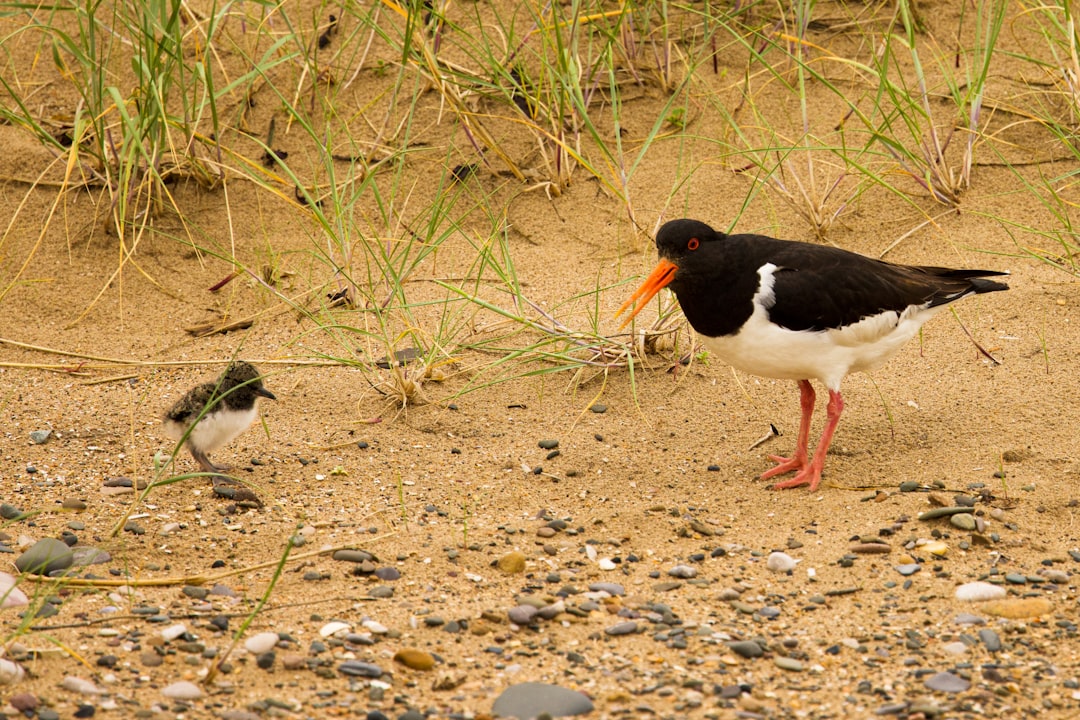
Beyond science and security, Plum Island stands as a beacon of biodiversity. The island’s undeveloped areas have evolved into a refuge for over 220 bird species, including the endangered piping plover and least tern. Its surrounding waters also support seals, as well as numerous fish and crustacean species, making it an essential part of the Long Island Sound ecosystem.
Importantly, Plum Island provides natural buffer zones that protect the neighboring North Fork of Long Island and Connecticut coast from storm surges and coastal erosion. Its dunes, marshes, and bluffs absorb wave energy, reducing the impact of extreme weather.
Ecological highlights:
- 84 species of native plants within undisturbed habitats.
- Seabird nesting and migratory stopover site.
- Annual seal colony formations during winter months.
Public and Political Debate Over Plum Island’s Future
In recent years, the federal government initiated plans to relocate the Plum Island Animal Disease Center to the mainland—specifically to the National Bio and Agro-Defense Facility in Manhattan, Kansas. With that move, discussions began about selling Plum Island to private developers. The proposal alarmed conservationists, historians, and local residents, who feared that privatization would destroy both the environment and historical artifacts on the island.
In response, a diverse coalition of advocates, including the Preserve Plum Island Coalition, emerged to push for its permanent protection. Their work prompted Congress to reassess the sale mandate. In 2020, efforts culminated in a temporary suspension of the sale, and serious discussions about public ownership and conservation took shape.
Under current proposals, Plum Island would become a national wildlife refuge and potentially a historical site accessible for educational tourism. The outcome of these discussions will determine whether the island remains a national asset or risks irreversible transformation through privatization.
Access, Security, and the Mystique of Isolation
Access to Plum Island has always been restricted due to biosafety protocols. Only authorized personnel, contractors, or researchers with federal clearance are allowed, and transit is exclusively via controlled ferry routes originating from Orient Point. This inaccessibility has contributed to the island’s mystique, allowing wild theories and fictional accounts to sprout over the decades. From Cold War secrecy to rumors of genetic experiments gone awry, Plum Island has inspired plotlines in novels, documentaries, and urban legends.
Nevertheless, the actual operations on Plum Island are subject to strict oversight, and it remains one of the nation’s most secure biological facilities, with protocols in place exceeding global biosafety standards.
Coastal Significance in a Changing Climate
Plum Island’s strategic location highlights its importance in the broader narrative of climate resilience. As extreme weather events and rising sea levels become more common, natural landforms like Plum Island offer a frontline defense against environmental degradation. The island’s bluffs and lagoons serve not only as habitat but also as natural bulwarks for Long Island’s increasingly vulnerable coastline.
Environmental scientists emphasize that maintaining and restoring such coastal buffers is vital in an era of unpredictable storms. A developed Plum Island, stripped of its natural barriers, would not only lose ecological value but could endanger neighboring communities due to reduced storm absorption.
Looking Ahead: Preservation or Privatization?
As of early 2024, Plum Island’s fate hangs in the balance. While the relocation of scientific operations is ongoing, debates over stewardship persist. Conservation planners envision a multifaceted future for the island—one that integrates its scientific legacy, protects its ecosystems, and provides public access to a historically rich landscape.
Potential future scenarios include:
- Designation as a federally protected wildlife and marine refuge.
- Creation of ecological and historical educational centers.
- Carefully managed tourism with limited public excursions and nature trails.
In contrast, sale to private interests could result in luxury developments or commercial enterprises—threats that stand in opposition to both the conservation values and scientific heritage of Plum Island.
Conclusion
Plum Island, Southold NY 11957, is a location like no other. It combines layers of American military and scientific history with unparalleled ecological treasures along the Atlantic seaboard. As debates over its future continue, stakeholders face the critical choice of whether to preserve this national legacy or subject it to commercial pressures. Protecting Plum Island ensures not just the safeguarding of biodiversity and research infrastructure, but also preserves a coastal guardian essential for the region’s environmental resilience.