Creating a website once required extensive coding knowledge, graphic design skills, and a significant investment of time and money. For non-designers and first-time site owners, this could be a daunting process, often resulting in delays or poorly constructed web presences. Fortunately, the rise of no-code online website builders has democratized website creation, making it accessible and achievable for virtually anyone with a vision and an internet connection.
TLDR (Too Long, Didn’t Read)
No-code online website builders empower beginners and non-designers to create professional websites without writing a single line of code. These platforms often provide drag-and-drop interfaces, pre-designed templates, and integrated tools for blogging, selling, and more. They’re ideal for individuals or small businesses looking to get online quickly and affordably. Expect flexibility, ease of use, and growing room as your site evolves.
What Are No-Code Website Builders?
No-code website builders are platforms designed to make website creation easy and accessible, even for people with no prior design or development experience. These tools offer visual editors that allow users to build websites using a graphical interface—essentially dragging and dropping elements like text boxes, images, videos, and widgets onto a page. There is no need to touch HTML, CSS, or JavaScript unless users want to delve deeper.
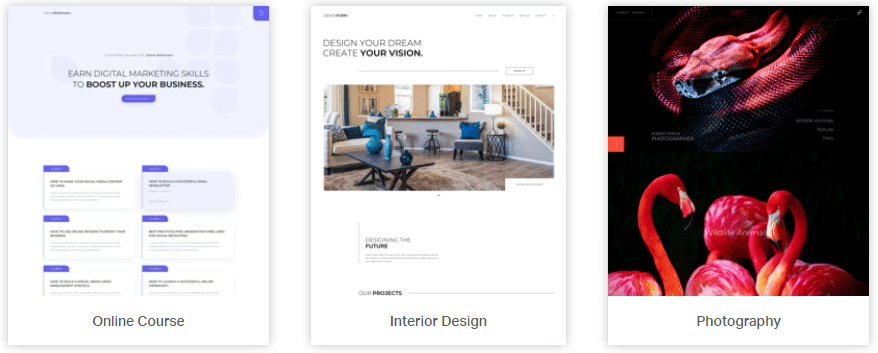
Popular platforms such as Wix, Squarespace, Weebly, and Webflow have transformed how websites are made. These builders offer customizable templates crafted by professional designers, along with an array of built-in features such as SEO tools, e-commerce integrations, mobile responsiveness, and analytics dashboards.
Why No-Code Builders are Perfect for Non-Designers
For individuals lacking a technical or creative background, no-code builders are revolutionary. Here’s why they are an excellent fit:
- User-Friendly Interfaces: Most no-code platforms use intuitive drag-and-drop functionality that mimics arranging objects on a physical surface.
- Pre-Designed Templates: Designers have already done the heavy lifting—users only need to swap text, upload photos, and tweak the colors or fonts.
- Built-In Tutorials and Help Libraries: Many platforms include guided tutorials, help centers, and customer support communities.
- Speed to Launch: A basic personal or business site can be up and running in a few hours or less.
- No Coding Errors: Users don’t have to worry about writing faulty code that breaks the layout or functionality.
Features to Look for in a No-Code Website Builder
As the no-code movement gains traction, the variety of available website builders has grown. To make the most informed choice, new users should keep an eye out for certain essential features:
- Responsive Design: Ensures your site looks good on desktops, tablets, and smartphones.
- SEO Tools: Makes it easy to optimize your pages for search engines like Google.
- Integrated Blogging: A simple built-in blog editor helps grow your brand through content.
- Marketing and Analytics: Email marketing options, contact forms, and visitor analytics are common additions.
- E-commerce Readiness: For those looking to sell products, features like shopping carts and payment processing are essential.
- It’s Easy to Customize: The platform should let users easily change fonts, colors, layouts, and add/remove components without struggling.
Top Platforms for Beginners to Consider
Choosing the right no-code website builder can make or break an online presence. Here’s a breakdown of some of the most beginner-friendly solutions:
- Wix: A highly versatile platform with hundreds of templates, rich plugins, and an AI-powered site generator (Wix ADI).
- Squarespace: Ideal for visually appealing websites, perfect for artists, photographers, and bloggers.
- Weebly: Owned by Square, Weebly is a fantastic entry point for small business owners and e-commerce newbies.
- Webflow: While slightly more complex, this tool allows more design freedom for users who want pixel-perfect control.
Common Misconceptions About No-Code Website Builders
Despite their growing popularity, some myths about no-code platforms persist. Let’s debunk a few:
- “They look cheap or amateurish.” — Modern no-code tools offer sleek, professional templates and enhancement tools to create stunning websites.
- “They don’t scale well.” — Many platforms now support large inventories, blog systems, and multi-page sites with ease.
- “You’re locked into ugly templates.” — Templates are often fully customizable, and new ones are added regularly; you retain visual control.
Even huge brands and fast-scaling startups sometimes use no-code tools to launch MVPs or microsites quickly and efficiently.
When to Choose a No-Code Option (and When Not To)
No-code platforms cater excellently to a wide range of users, but they aren’t the perfect solution for everyone. Here are some ideal scenarios for using them:
- Personal websites or portfolios
- Blogs and content sites
- Small to medium-sized businesses
- Landing pages and promotional sites
- E-commerce shops with limited inventory
However, if your business requires integrated databases, custom applications, complex user interactions, or robust scalability across international platforms, you may eventually outgrow a no-code builder and need a more customized solution through developers.
Future Trends in No-Code Website Development
With technological advancements and AI integration, the capabilities of no-code builders are evolving:
- AI-Powered Design: Tools like Wix ADI and Bookmark’s AIDA generate entire websites based on a few answers.
- Greater Integration: App marketplaces will continue growing, making it easier to connect marketing tech, CRM systems, and third-party plugins.
- Improved Collaboration: Teams can co-create easily in real time, ideal for business teams or content agencies.
- Industry-Specific Templates: Builders are increasingly offering tailored solutions for specific sectors like real estate, law, education, and wellness.

Summary
No-code website builders have lowered the barriers to creating a professional, responsive, and attractive online presence. Whether building a portfolio, starting a blog, or selling handmade items, these tools let anyone bring their vision to life without programming—or breaking the bank. They’re not only accessible but also scalable for many use cases, offering a path forward as your online needs grow. For non-designers and first-timers, the digital journey has never been easier or more intuitive.
FAQ: No-Code Website Builders for Beginners
- Q: Can I switch templates after I start building?
A: Most platforms let you change templates, though some may require manual adjustment of content after switching. - Q: Are these sites mobile responsive?
A: Yes, modern builders usually include automatic mobile optimization for all templates. - Q: Can I use my own domain name?
A: Absolutely. Most no-code platforms allow you to connect a custom domain if you have one or purchase one directly through them. - Q: Is hosting included?
A: Yes, hosting is typically included in the subscription package of most no-code builders. - Q: Can I run a store with one of these builders?
A: Definitely. Platforms like Wix, Shopify (also no-code), and Weebly offer robust e-commerce functionality for selling products and services online. - Q: Are there free options?
A: Yes, many builders offer free tiers with limited features, which are great for getting started but may include ads or limit custom domains.