Customer retention has become one of the most critical priorities for modern businesses. While acquiring new customers remains important, organizations increasingly recognize that long-term profitability depends on building lasting relationships. Account management platforms play a central role in this strategy, offering tools that help teams track interactions, anticipate needs, personalize communication, and proactively resolve issues. By centralizing customer data and automating engagement processes, these platforms empower businesses to create consistent and meaningful customer experiences.
TLDR: The most popular account management platforms help businesses strengthen customer relationships through automation, centralized data, and proactive engagement tools. Solutions like Salesforce, HubSpot, Gainsight, Zoho CRM, Microsoft Dynamics 365, and Zendesk Sell are widely adopted for improving retention. These platforms provide analytics, workflow automation, and personalized communication capabilities that reduce churn and increase lifetime value. Choosing the right system depends on company size, industry needs, and long-term retention goals.
Why Account Management Platforms Matter for Retention
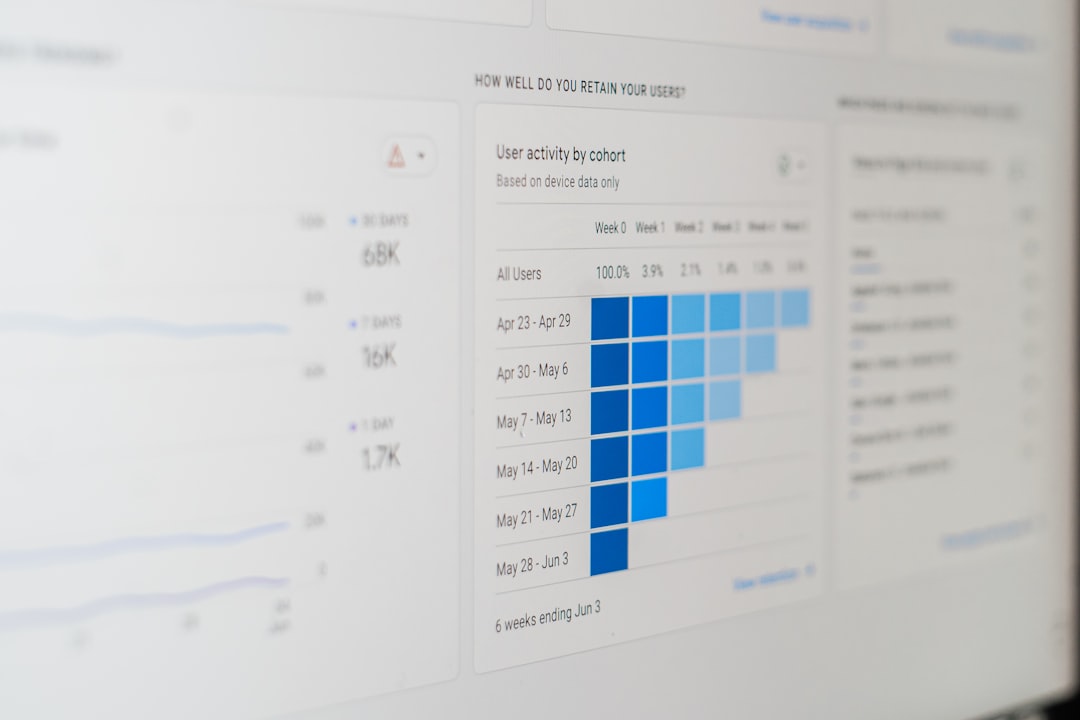
Customer retention depends heavily on visibility, responsiveness, and personalization. Without a structured system in place, teams struggle to track customer interactions or identify early warning signs of churn. Account management platforms consolidate data into unified dashboards, allowing teams to make informed decisions quickly.
Key benefits include:
- Centralized customer data for a complete relationship overview
- Automated follow-ups and reminders
- Advanced analytics to identify retention trends
- Segmentation tools for targeted communication
- Collaboration features across sales, marketing, and support teams
These capabilities ensure customers receive consistent, proactive attention rather than reactive service.
1. Salesforce
Salesforce remains one of the most widely recognized account management platforms globally. Known for its scalability and customization, it caters to businesses of all sizes, from startups to multinational enterprises.
What makes Salesforce particularly powerful for retention is its robust customer tracking and AI-driven insights. The platform’s intelligence tools analyze usage patterns, predict churn risk, and recommend proactive outreach strategies.
Retention-focused features:
- Comprehensive customer profiles
- AI-powered churn prediction
- Automated customer journeys
- Custom reporting and dashboards
Salesforce excels in environments where personalization and analytics drive long-term loyalty.
2. HubSpot CRM
HubSpot CRM has gained popularity for its user-friendly interface and integrated marketing, sales, and service tools. It is especially attractive to small and mid-sized businesses seeking accessible yet powerful account management solutions.
HubSpot enables businesses to automate communication workflows, track engagement across channels, and score customer interactions to identify satisfaction levels. Its unified platform ensures every team member can access real-time customer insights.
Key strengths:
- Email tracking and automation
- Customer lifecycle stage management
- Behavioral tracking for personalization
- Integrated ticketing and feedback systems
By aligning marketing and account management efforts, HubSpot supports seamless customer journeys that encourage repeat business.
3. Gainsight
Gainsight focuses specifically on customer success and retention. Unlike general CRM platforms, Gainsight is designed to identify potential churn signals and empower customer success teams to intervene early.
Through advanced health scoring and engagement tracking, Gainsight helps organizations measure customer satisfaction continuously. Its automation tools streamline onboarding processes and long-term relationship management.
Retention advantages:
- Customer health score monitoring
- Automated onboarding workflows
- Churn risk alerts
- Success plan tracking
For subscription-based or SaaS companies, Gainsight has become a preferred choice due to its predictive and proactive approach to retention.

4. Zoho CRM
Zoho CRM is recognized for affordability and flexibility. It offers a wide array of customization options and integrates well with other business applications. Companies seeking budget-friendly solutions often find Zoho particularly appealing.
Zoho supports multichannel communication, including email, social media, and live chat, enabling consistent customer engagement. Its AI assistant helps detect anomalies in engagement patterns that may indicate dissatisfaction.
Retention capabilities include:
- Multichannel communication management
- AI-driven insights
- Workflow automation
- Comprehensive reporting tools
By streamlining engagement across platforms, Zoho strengthens long-term client relationships while maintaining operational efficiency.
5. Microsoft Dynamics 365
Microsoft Dynamics 365 combines CRM and enterprise resource planning features into a highly scalable solution. Enterprises often favor this platform for its integration with other Microsoft products.
Its predictive analytics and process automation features provide thorough visibility into customer behavior. Account managers can analyze buying trends, identify service gaps, and tailor interactions accordingly.
Core features that boost retention:
- Customer insights powered by AI
- Seamless integration with Office applications
- Advanced workflow automation
- Comprehensive service case tracking
Dynamics 365 is particularly useful for organizations that require complex reporting and cross-department collaboration.
6. Zendesk Sell
Originally known for its customer support tools, Zendesk Sell integrates account management with strong service functionality. This dual capability ensures support teams contribute directly to retention strategies.
Zendesk centralizes customer interactions from multiple channels, providing account managers with a detailed history of every engagement. By linking support insights with sales data, organizations create more personalized experiences.
Why it stands out:
- Unified customer interaction history
- Pipeline tracking
- Integrated support and sales data
- Automated follow-up reminders
Businesses prioritizing service-driven retention often benefit from Zendesk’s integrated ecosystem.

7. Pipedrive
Pipedrive is known for its visual pipeline management. Although primarily positioned as a sales CRM, it offers features that improve ongoing account engagement and repeat sales.
Its intuitive interface allows teams to track deals, monitor communication, and set automated reminders. This structure ensures consistent contact, a crucial element for maintaining long-term relationships.
Notable retention tools:
- Visual sales pipeline tracking
- Automated task assignments
- Email integration
- Performance analytics
Pipedrive is particularly useful for small teams seeking straightforward account relationship tracking without overwhelming complexity.
Key Features to Look for in Account Management Platforms
Regardless of the specific brand, businesses should evaluate platforms based on essential retention-driven features:
- Customer segmentation capabilities to personalize outreach
- Automation workflows for onboarding and renewals
- Data analytics and predictive modeling for churn prevention
- Integration options with marketing and support tools
- Scalability to grow alongside the business
Additionally, usability should never be overlooked. Even the most advanced solution will fail to improve retention if teams struggle to adopt it effectively.
How These Platforms Improve Customer Retention
Account management systems enhance retention through proactive engagement. Rather than waiting for customers to express dissatisfaction, businesses can identify warning signals early. Predictive analytics highlight decreased engagement, support ticket spikes, or delayed renewals.
Automation further supports retention by maintaining consistent communication. Renewal reminders, product education emails, and satisfaction surveys can be triggered automatically, ensuring no opportunity for engagement is missed.
Most importantly, these platforms facilitate personalization. Customers increasingly expect tailored interactions that reflect their history and preferences. Centralized data enables account managers to craft relevant, timely messages that foster loyalty.
Choosing the Right Platform
The selection process should align with overall business goals and customer lifecycle complexity. Small businesses may prioritize affordability and ease of use, while enterprises require customization and advanced analytics.
Decision-makers should consider:
- Industry-specific requirements
- Integration needs with existing systems
- Budget and scalability plans
- User training and onboarding resources
A strategic implementation, combined with ongoing optimization, ensures the platform genuinely contributes to long-term revenue growth.
Conclusion
Popular account management platforms such as Salesforce, HubSpot, Gainsight, Zoho CRM, Microsoft Dynamics 365, Zendesk Sell, and Pipedrive continue to shape modern retention strategies. By centralizing data, automating workflows, and delivering predictive insights, these tools empower organizations to build enduring customer relationships. In competitive markets, retention is no longer optional—it is a defining factor of sustainable success. Companies that leverage the right platform gain a measurable advantage in customer satisfaction, loyalty, and lifetime value.
Frequently Asked Questions (FAQ)
-
What is an account management platform?
An account management platform is a software solution designed to track customer relationships, manage interactions, automate communication, and analyze data to improve customer retention and revenue growth. -
How do these platforms reduce customer churn?
They use predictive analytics, customer health scores, automated follow-ups, and engagement tracking to identify dissatisfied customers early and enable proactive intervention. -
Which platform is best for small businesses?
Platforms like HubSpot CRM, Zoho CRM, and Pipedrive are often favored by small businesses due to their affordability, usability, and scalable features. -
Are account management platforms only for sales teams?
No. They are used by sales, marketing, customer success, and support teams to ensure a unified approach to customer relationship management. -
What is the most important feature for improving retention?
Predictive analytics combined with automation is often the most impactful feature set, as it allows businesses to anticipate customer needs and prevent churn before it occurs.