Startups move fast, and their tooling needs to move even faster. Feature flagging and remote configuration platforms like Flagsmith have become essential for shipping safely, experimenting confidently, and managing releases without redeploying code. But as teams scale, pivot, or refine their architecture, they often reassess whether their current solution still fits their product, performance, and compliance requirements.
TLDR: Startups replacing Flagsmith typically look for stronger experimentation tools, better scalability, deeper integrations, or simpler pricing. Leading alternatives include LaunchDarkly, ConfigCat, Split, Unleash, and Firebase Remote Config. Each platform offers a different balance of pricing, self hosting flexibility, analytics depth, and enterprise readiness. Choosing the right one depends on your growth stage, compliance needs, and deployment complexity.
Below, we explore five platforms startups frequently evaluate when looking for an alternative to Flagsmith, along with what makes each one stand out.
1. LaunchDarkly
Often considered the gold standard in feature management, LaunchDarkly is known for its robust targeting, enterprise ready infrastructure, and powerful experimentation framework.

Why startups consider it:
- Advanced targeting and segmentation rules
- Built in experimentation and A B testing
- High availability infrastructure
- Extensive SDK support
LaunchDarkly shines when startups begin scaling into mid market or enterprise customers. Its rule engine allows highly granular control over feature rollouts by user attributes, geography, plan type, or custom segments. This is particularly useful for SaaS companies with tiered pricing models or complex user roles.
Where it differs from Flagsmith:
- More advanced experimentation tooling
- Strong compliance certifications
- Generally higher cost structure
For startups focused heavily on experimentation and progressive delivery, LaunchDarkly may feel like an upgrade in depth and maturity.
2. ConfigCat
ConfigCat appeals strongly to early stage and growth phase startups that want a clean interface, predictable pricing, and straightforward implementation.
Why startups consider it:
- Simple and transparent pricing
- Unlimited seats in most plans
- Strong SDK coverage
- Lightweight and easy onboarding
One of ConfigCat’s standout advantages is cost clarity. Many startups replacing Flagsmith are looking for simpler billing models that scale predictably as they add users or environments. ConfigCat positions itself as developer friendly without overwhelming teams with enterprise only features.
Strengths compared to Flagsmith:
- More straightforward pricing tiers
- Intuitive user interface
- Quick setup process
For small teams shipping rapidly and focusing on core product development, ConfigCat provides strong flagging capabilities without unnecessary complexity.
3. Split
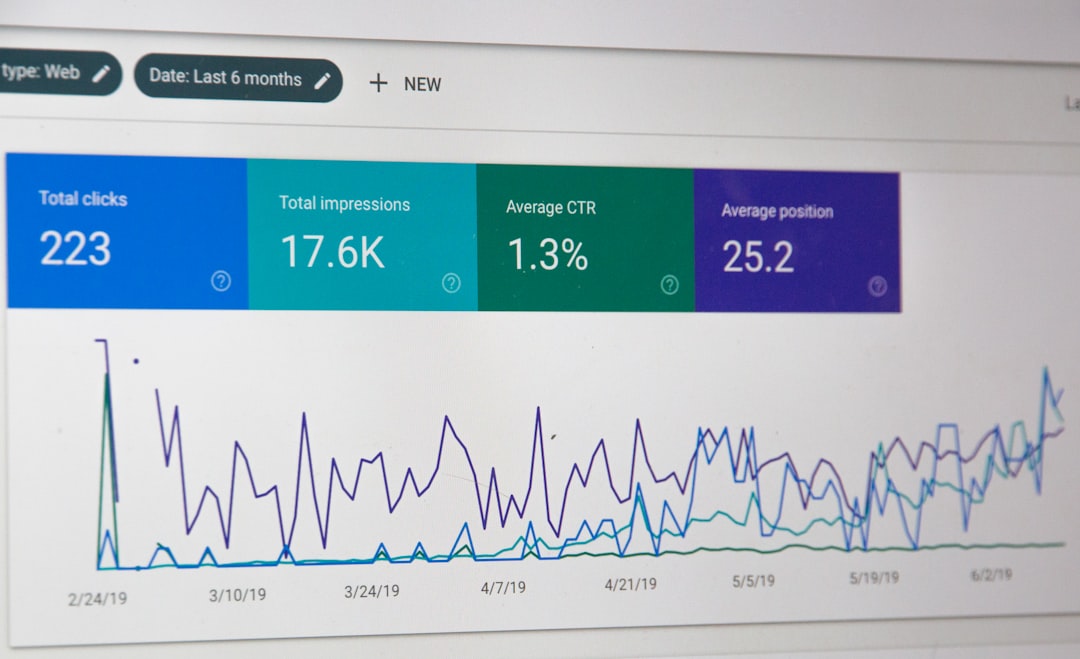
Split takes feature flagging a step further by blending it tightly with product analytics and experimentation. If your startup is data driven and iteration focused, Split becomes particularly appealing.
Why startups consider it:
- Native experimentation workflows
- Deep metrics integration
- Emphasis on impact measurement
- Data science friendly capabilities
Split doesn’t just allow you to turn features on and off. It enables startups to measure the exact impact of those changes on key metrics like retention, conversion, and engagement. This tight feedback loop reduces risk and increases confidence in product decisions.
How it differs from Flagsmith:
- Stronger focus on experimentation and analytics
- Advanced metric attribution models
- More sophisticated interface for product teams
For startups moving from “basic toggles” to “data informed releases,” Split often becomes a natural next step.
4. Unleash
Unleash is particularly attractive for startups that want open source flexibility and self hosting control. For teams prioritizing customization, security, or cost control, this makes a big difference.
Why startups consider it:
- Open source core
- Self hosted deployment options
- Flexible customization
- Active community ecosystem
One major reason startups replace Flagsmith is infrastructure strategy. Some want tighter control over data residency, performance tuning, or security audits. With Unleash, companies can deploy entirely within their own environment while still benefiting from a mature feature management ecosystem.
Advantages over Flagsmith in certain scenarios:
- Greater control through self hosting
- Open source adaptability
- Potential long term cost efficiency
For technically mature teams with DevOps capabilities, Unleash offers flexibility that proprietary SaaS platforms may limit.
5. Firebase Remote Config
For startups already embedded in the Google ecosystem, Firebase Remote Config becomes an obvious contender.
Why startups consider it:
- Seamless integration with Firebase services
- Strong mobile app support
- Built in analytics through Google Analytics
- Scalable cloud infrastructure
Mobile first startups, especially those building Android or cross platform apps, often find Firebase Remote Config sufficient for their needs. It may not provide the most advanced feature flag governance compared to enterprise platforms, but its tight integration within the Firebase ecosystem simplifies deployment and monitoring.
Compared to Flagsmith:
- More tightly integrated with backend services
- Strong mobile specific tooling
- Simpler for Firebase based stacks
If your application already depends heavily on Firebase Authentication, Analytics, and Hosting, using Remote Config can streamline your tooling footprint.
Comparison Chart
| Platform | Best For | Experimentation Strength | Self Hosting | Pricing Complexity |
|---|---|---|---|---|
| LaunchDarkly | Scaling SaaS and enterprise focused startups | Very Advanced | No | Moderate to High |
| ConfigCat | Early stage teams seeking simplicity | Moderate | No | Simple |
| Split | Data driven product organizations | Advanced | No | Moderate |
| Unleash | Infrastructure focused teams | Basic to Moderate | Yes | Flexible |
| Firebase Remote Config | Mobile first Firebase startups | Basic to Moderate | No | Usage Based |
Key Factors Startups Consider When Switching
Replacing a feature flag platform is not a trivial decision. Beyond feature lists, startups typically evaluate:
- Scalability: Can the platform handle millions of evaluations per second as the user base grows?
- Latency: Does it provide real time updates without performance bottlenecks?
- Security and Compliance: Are SOC2 and other certifications required?
- Experimentation Depth: Does the team need integrated A B testing?
- Developer Experience: Are SDKs well documented and easy to implement?
- Total Cost of Ownership: How will pricing evolve over time?
The right choice depends heavily on maturity stage. A seed stage startup may value simplicity and low cost. A Series B SaaS company might prioritize multi environment governance and audit trails. A mobile gaming company may care most about instant remote configuration and behavioral experimentation.
Final Thoughts
Feature flagging has evolved from a developer convenience into a strategic growth lever. What once served as simple release toggles now power experimentation frameworks, progressive rollouts, canary deployments, and customer segmentation strategies.
When replacing Flagsmith, startups are rarely looking for just another toggle system. They are looking for better insight, sharper control, or stronger scalability aligned with their next stage of growth.
LaunchDarkly offers enterprise sophistication. ConfigCat delivers simplicity and transparency. Split empowers data driven optimization. Unleash grants infrastructure level control. Firebase Remote Config integrates seamlessly into mobile ecosystems.
The right platform is ultimately the one that aligns with how your team builds, experiments, and scales. As your startup grows, your feature flagging solution should not just support releases. It should actively accelerate innovation.