Building a startup brand is not just about choosing a nice logo or a catchy name. It is about creating a memorable identity that helps customers recognize, trust, and connect with your business. In the early stages, startups often have limited budgets, small teams, and very little time, which makes the right branding tools incredibly valuable. With the right toolkit, you can look professional, stay consistent, and communicate your value clearly from day one.
TLDR: Startup branding tools help you create a consistent and professional identity without needing a large design or marketing team. The most important tools cover logo design, visual identity, brand guidelines, content creation, social media, website building, customer research, and project collaboration. Choose tools that are easy to use, scalable, and aligned with your brand goals. Strong branding is not about using every tool available, but about using the right ones consistently.
Why Branding Tools Matter for Startups
For a startup, branding is often the difference between being remembered and being ignored. Customers encounter countless companies every day, and most of them disappear from memory almost instantly. A strong brand gives your startup a recognizable face, a distinct voice, and a clear reason for people to care.
However, branding can feel overwhelming. You need a logo, colors, fonts, messaging, website visuals, pitch deck design, social media graphics, product screenshots, emails, and more. Without proper tools, these elements can become inconsistent and confusing. One post may look modern, another may look amateur, and your website may feel disconnected from your product experience.
The right branding tools bring order to this process. They help you create assets faster, maintain consistency, collaborate with your team, and present your startup as more credible. Even if you are not a designer, writer, or marketer, these tools can help you make smarter branding decisions.
1. Logo Design Tools
Your logo is not your entire brand, but it is one of the most visible parts of it. A good logo should be simple, readable, scalable, and appropriate for your industry. It needs to work on your website, app icon, business cards, social media profiles, pitch decks, and product packaging if applicable.
Startups can use tools such as Canva, Looka, Adobe Express, or Hatchful to explore logo ideas quickly. These platforms offer templates, icons, typography options, and color combinations that can help early-stage teams build a visual foundation.
Tip: Avoid overly complex logos. If your logo does not look good in a small size or in black and white, it may not be practical for long-term use.
2. Visual Identity and Design Tools
Once you have a logo, you need a broader visual identity. This includes your color palette, typography, icon style, image treatment, layout system, and general design direction. These elements work together to create a recognizable look across every customer touchpoint.
Figma is one of the most powerful tools for designing brand assets, website layouts, app interfaces, and marketing materials. It is especially useful for startups because it is collaborative, cloud-based, and flexible. Designers, founders, developers, and marketers can all review and comment on files in one place.
Canva is another excellent choice, particularly for non-designers. It makes it easy to create social posts, presentations, banners, documents, and basic marketing visuals. You can also create brand kits with your colors, fonts, and logos to ensure consistency.
- Figma: Best for product design, web design, and collaborative visual systems.
- Canva: Best for quick marketing graphics, social posts, and simple branded templates.
- Adobe Illustrator: Best for advanced vector design and professional logo refinement.
- Adobe Express: Best for fast branded content and easy creative production.
3. Brand Guideline Tools
A startup brand can quickly become inconsistent if everyone on the team uses different fonts, colors, messaging, and visual styles. Brand guidelines solve this problem by documenting how your brand should look and sound.
Your brand guidelines do not need to be complicated at the beginning. A simple document can include your logo usage rules, color codes, typography, tone of voice, mission statement, image style, and examples of correct and incorrect usage.
Tools such as Notion, Google Slides, Frontify, and Zeroheight can help you organize and share brand guidelines. For most early startups, Notion or Google Slides may be enough. As your company grows, you may want a more advanced brand portal.
Essential items to include in your brand guidelines:
- Logo versions and spacing rules
- Primary and secondary colors
- Font names and usage instructions
- Voice and tone examples
- Photography or illustration style
- Social media and presentation templates
4. Color Palette Tools
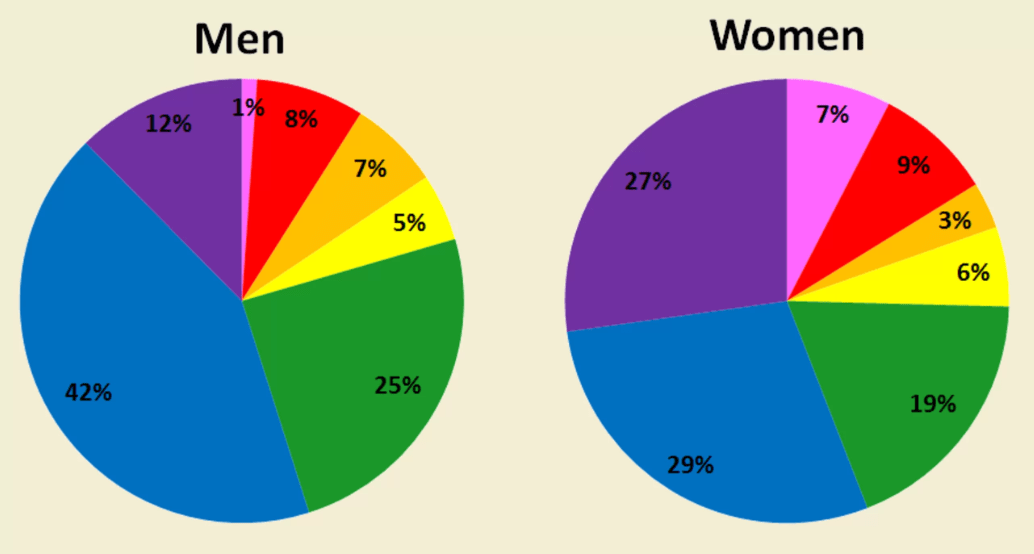
Color shapes how people perceive your startup. Blue often suggests trust and reliability, green can signal growth or sustainability, black may feel premium, and bright colors can feel energetic or youthful. The right palette helps create emotional consistency across your brand.
Tools like Coolors, Adobe Color, and Khroma help startups generate and test color combinations. These tools are useful because they let you explore accessible palettes, complementary colors, and different mood directions before committing to a final system.
Do not choose colors based only on personal preference. Consider your audience, industry, positioning, and competitors. If every competitor uses blue, you may choose blue to build trust, or you may choose an unexpected color to stand out. The important thing is to choose intentionally.
5. Typography Tools
Fonts play a major role in how your brand feels. A geometric sans serif may make your startup feel modern and tech-driven, while a serif font may feel editorial, premium, or traditional. Typography affects readability, personality, and trust.
Google Fonts is one of the best free resources for startup typography. It offers a wide range of web-friendly fonts that are easy to use across websites, apps, and documents. Fontshare and Adobe Fonts are also valuable options for finding professional typefaces.
A strong startup typography system usually includes:
- One primary font for headlines and major brand moments.
- One secondary font for body text and readability.
- Clear size rules for headings, subheadings, paragraphs, and captions.
- Consistent spacing to make content feel polished and easy to scan.
6. Website Building Tools
Your website is often the first place potential customers, investors, and partners go to understand your startup. It should explain what you do, who you help, why you are different, and how people can take the next step.
Website builders such as Webflow, Framer, Squarespace, and WordPress can help startups launch professional websites without building everything from scratch. Webflow and Framer are especially popular among modern startups because they allow more visual control and polished interactions.
Your website should not only look good. It should also communicate clearly. A beautiful site with vague messaging will not convert visitors. Make sure your homepage answers these questions quickly:
- What does your startup do?
- Who is it for?
- What problem does it solve?
- Why is it better or different?
- What should visitors do next?
7. Messaging and Copywriting Tools
Branding is not just visual. Your words matter just as much as your design. Messaging tools help you define your value proposition, tagline, elevator pitch, website copy, email copy, and social media voice.
Tools like Grammarly, Hemingway Editor, and ChatGPT can help refine your writing. Grammarly catches grammar issues and improves clarity, Hemingway makes your writing simpler and more direct, and AI writing tools can help brainstorm positioning statements and content ideas.
Still, your brand voice should feel human and specific. Avoid generic startup phrases like “revolutionizing the future” unless you can explain exactly how. Strong messaging is simple, concrete, and customer-focused.
Weak message: “We empower businesses with innovative solutions.”
Stronger message: “We help small retailers manage inventory, orders, and supplier updates from one simple dashboard.”
8. Social Media Branding Tools
Social media is where many startups begin building visibility. Whether you focus on LinkedIn, Instagram, TikTok, X, YouTube, or another platform, your presence should look and sound consistent.
Buffer, Later, Hootsuite, and Metricool help schedule posts, manage content calendars, and track performance. For design, Canva and Figma can help create post templates so your visuals stay recognizable.
Startups should create templates for common post types, such as:
- Product announcements
- Customer testimonials
- Educational tips
- Founder stories
- Case studies
- Hiring posts
Consistency matters more than perfection. A startup that publishes useful, recognizable content every week will often build more trust than one that posts beautifully once every three months.
9. Presentation and Pitch Deck Tools
For many startups, the pitch deck is one of the most important brand assets. It communicates your story to investors, partners, accelerators, and potential hires. A strong deck should be visually clean, persuasive, and easy to follow.
Google Slides, Pitch, Beautiful.ai, and Keynote are useful tools for creating investor and sales presentations. The best tool depends on how your team collaborates and how much design flexibility you need.
A branded pitch deck should include consistent fonts, colors, chart styles, icon styles, and slide layouts. It should feel like it belongs to the same company as your website and product.
Image not found in postmeta10. Customer Research and Survey Tools
Your brand should be shaped by your customers, not just by internal opinions. Research tools help you understand what your audience values, what language they use, what problems they face, and why they choose one solution over another.
Typeform, Google Forms, SurveyMonkey, and Tally are useful for collecting feedback. You can use them to test brand names, messaging, product descriptions, pricing perceptions, or customer satisfaction.
Ask questions such as:
- What words would you use to describe our product?
- What problem were you trying to solve when you found us?
- What nearly stopped you from signing up?
- Which benefit matters most to you?
- How would you explain our product to a friend?
The answers can become a goldmine for your branding. Often, customers describe your value more clearly than your own team does.
11. Analytics Tools for Brand Performance
Branding may feel creative, but it should still be measured. Analytics tools help you understand whether people are finding, engaging with, and remembering your startup.
Google Analytics, Hotjar, Microsoft Clarity, and Search Console can show how visitors interact with your website. Social media analytics can reveal which content themes resonate. Email tools like Mailchimp, ConvertKit, or Beehiiv can show which subject lines and messages drive engagement.
Important brand-related metrics include direct website traffic, branded search volume, social engagement, email open rates, referral traffic, customer feedback, and repeat visits. These signals help you understand whether your brand is becoming more recognizable over time.
12. Collaboration and Asset Management Tools
As your startup grows, brand files can easily become scattered across desktops, email threads, cloud folders, and chat messages. This leads to confusion and outdated assets being used in public materials.
Tools like Notion, Google Drive, Dropbox, Airtable, and Asana help teams organize branding projects and assets. A simple folder structure can save hours of searching and prevent costly mistakes.
Create dedicated folders for:
- Logo files
- Brand guidelines
- Color and font references
- Social media templates
- Website graphics
- Pitch decks
- Press materials
How to Choose the Right Branding Tools
The best branding tools for your startup depend on your stage, budget, team skills, and goals. A solo founder may need simple, affordable tools that cover many functions. A funded startup may invest in professional design software, research platforms, and brand management systems.
Before choosing a tool, ask yourself:
- Is it easy for the team to use?
- Does it support collaboration?
- Can it scale as the brand grows?
- Does it help maintain consistency?
- Is it worth the cost at our current stage?
It is better to use a few tools well than to subscribe to every new platform. Too many tools can create clutter, confusion, and unnecessary expenses. Start with the essentials, then expand when your brand operations become more complex.
Final Thoughts
Branding is one of the most important investments a startup can make, but it does not have to be expensive or complicated. The right tools can help you design a professional identity, communicate clearly, create consistent content, and build trust with your audience.
Start with the basics: a strong logo, simple guidelines, clear messaging, a polished website, and reusable content templates. Then use research and analytics tools to learn what your audience actually responds to. Over time, your brand will become more than a set of visuals; it will become a recognizable experience that customers associate with value, trust, and momentum.
The most successful startup brands are not built overnight. They are built through repeated, consistent, thoughtful interactions. With the right branding tools in place, every email, post, landing page, pitch deck, and product update becomes an opportunity to strengthen your identity and make your startup easier to remember.