In today’s fast-paced digital environment, businesses are expected to provide fast, organized, and consistent customer support across multiple channels. Whether it’s email, chat, phone, or social media, customer queries can quickly pile up and become overwhelming without the right system in place. This is where ticketing system tools like Zoho Desk play a transformative role. These platforms streamline communication, improve accountability, and ensure that no customer request slips through the cracks.
TLDR: Ticketing system tools like Zoho Desk help businesses manage, track, and resolve customer issues efficiently across multiple channels. They centralize communication, automate workflows, and provide valuable insights through analytics and reporting. With features like ticket prioritization, automation rules, and team collaboration tools, they significantly improve customer satisfaction and team productivity. For growing companies, a robust ticketing platform is no longer optional—it’s essential.
What Is a Ticketing System?
A ticketing system is a software solution that converts customer requests into organized, trackable tickets. Each interaction is assigned a unique identifier, allowing teams to manage issues from creation to resolution in a structured way.
Instead of tracking requests in scattered spreadsheets or shared inboxes, ticketing tools create a centralized hub for:
- Customer support emails
- Live chat transcripts
- Phone call logs
- Social media messages
- Internal help desk requests
This keeps communication transparent and reduces duplication of effort.
Why Businesses Need Tools Like Zoho Desk
As customer expectations increase, manual support processes simply cannot keep up. Tools like Zoho Desk provide structure and automation that allow teams to deliver faster and more personalized service.
Here are some of the major benefits:
1. Centralized Communication
Instead of checking multiple inboxes and platforms, support agents can manage everything from one dashboard. This reduces response time and ensures consistency.

2. Improved Accountability
Each ticket is assigned to a specific agent or team. Clear ownership eliminates confusion over who is responsible for resolving an issue. Managers can track performance and ensure follow-ups are completed on time.
3. Automation That Saves Time
Modern ticketing systems come with powerful automation capabilities, such as:
- Automatic ticket assignment based on department
- Priority tagging for urgent issues
- Pre-written responses for common questions
- SLA reminders and escalation rules
Automation reduces repetitive work and frees agents to handle more complex cases.
Core Features of Ticketing System Tools
While different platforms offer varying capabilities, leading solutions like Zoho Desk typically include a comprehensive feature set designed to handle every stage of customer service.
Multi-Channel Support
Customers want flexibility. A good ticketing system integrates with:
- Live chat
- Social media
- Phone systems
- Web forms
All interactions are converted into tickets and stored in the same system, preventing information silos.
Customizable Workflows
No two businesses operate exactly the same way. Ticketing tools allow you to define workflows that match your internal processes. You can set triggers, define conditions, and automate actions to streamline operations.
Knowledge Base Integration
Many tools include a self-service portal where customers can access FAQs and help articles. This:
- Reduces repetitive tickets
- Empowers customers to solve issues independently
- Improves overall satisfaction
Reporting and Analytics
Data-driven insights help managers make informed decisions. Detailed reports often include:
- Average response time
- First contact resolution rate
- Agent performance metrics
- Customer satisfaction scores
These metrics highlight bottlenecks and areas for improvement.
How Zoho Desk Stands Out
While many ticketing tools exist, Zoho Desk is widely recognized for its user-friendly interface and advanced automation capabilities. It combines affordability with powerful features, making it suitable for small businesses as well as large enterprises.
Some notable capabilities include:
- Context-aware support that shows customer history within tickets
- AI-powered assistance for predicting ticket sentiment and urgency
- Custom dashboards tailored to different team roles
- Integration with CRM and other business tools
By combining customer data with ticket tracking, teams gain a complete picture of each client relationship.
Image not found in postmeta
Benefits for Different Types of Teams
Ticketing systems are not limited to external customer service. Many organizations use them internally as well.
Customer Support Teams
For frontline agents, ticketing tools:
- Reduce manual tasks
- Provide quick access to customer history
- Enable faster response times
IT Help Desks
Internal IT teams use ticketing systems to track technical issues, service requests, and system updates. Clear prioritization ensures critical problems are addressed first.
HR and Operations
Departments like HR can manage employee queries related to payroll, benefits, and policies using the same structured ticket workflow.
The Customer Experience Advantage
Customer experience has become a major competitive differentiator. Businesses that respond quickly and efficiently are more likely to build loyalty.
Ticketing tools improve customer experience by:
- Ensuring consistent communication
- Providing timely follow-ups
- Reducing resolution time
- Maintaining a detailed issue history
When customers feel heard and supported, they are more likely to return and recommend the brand.
Automation and AI: The Future of Ticket Management
One of the most exciting developments in ticketing systems is the rise of artificial intelligence. AI enhances ticket management by:
- Automatically categorizing incoming requests
- Detecting customer sentiment
- Suggesting responses to agents
- Predicting potential escalations
This not only increases efficiency but also improves accuracy and personalization.
Image not found in postmeta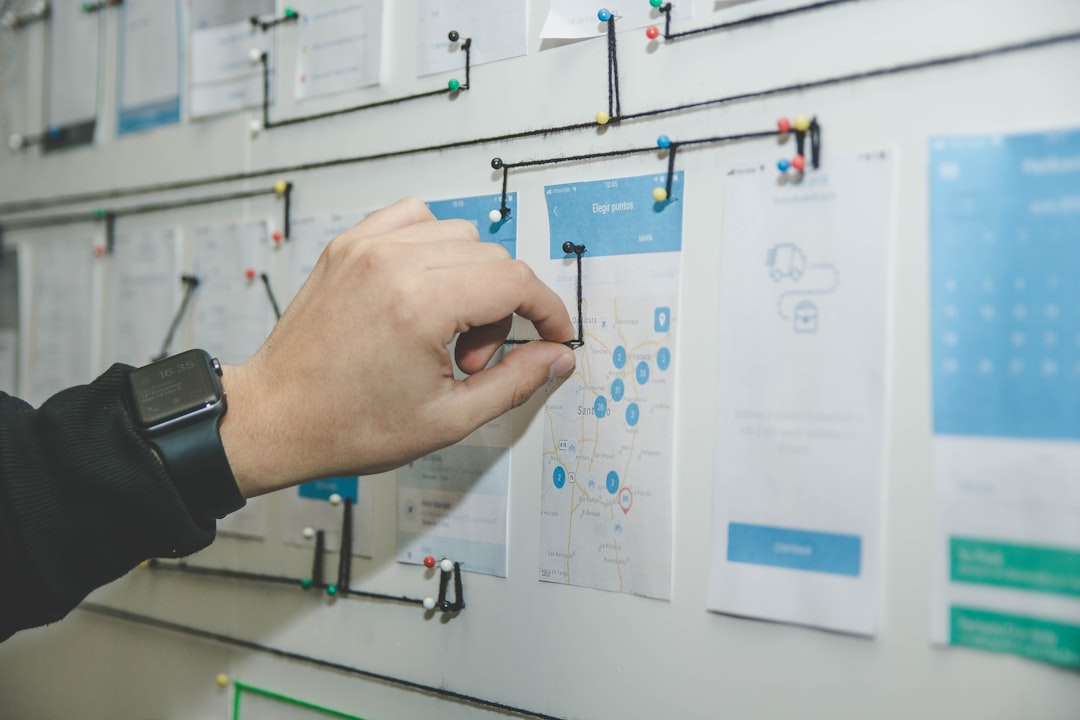
As AI continues to evolve, we can expect even smarter systems capable of proactive support—anticipating issues before customers even report them.
Scalability for Growing Businesses
One of the biggest challenges for expanding companies is maintaining service quality while handling increasing volume. Ticketing system tools are designed to scale effortlessly.
They offer:
- Flexible user management
- Role-based permissions
- Department-specific views
- Cloud-based accessibility
This means businesses can grow their support operations without rebuilding processes from scratch.
Key Considerations When Choosing a Ticketing System
If you are evaluating tools like Zoho Desk, consider the following factors:
- Ease of use: Is the interface intuitive for your team?
- Customization: Can workflows be tailored to your process?
- Integration: Does it connect with your CRM, billing, or marketing tools?
- Automation capabilities: How advanced are the automation rules?
- Pricing structure: Does it fit your budget as you scale?
Choosing the right platform requires balancing features, cost, and long-term growth needs.
Common Challenges and How These Tools Solve Them
Without a structured system, support teams often face:
- Lost or overlooked emails
- Duplicate responses to customers
- Inconsistent service quality
- Lack of performance visibility
Ticketing tools eliminate these pain points by introducing transparency, organization, and measurable processes.
The Broader Business Impact
While ticketing systems are often viewed as support tools, their impact extends across the entire organization. Better customer insights can inform product development, marketing strategies, and operational improvements.
For example:
- Recurring product complaints may signal a design issue.
- Frequent billing questions may highlight communication gaps.
- Common feature requests can guide product roadmaps.
When leadership teams leverage ticket data strategically, they transform support from a cost center into a value-generating function.
Final Thoughts
Ticketing system tools like Zoho Desk have become indispensable for modern businesses seeking to deliver reliable and scalable customer service. By centralizing communication, automating workflows, and providing actionable insights, these platforms empower teams to work smarter—not harder.
As competition intensifies and customers demand faster responses, investing in a capable ticketing system is no longer a luxury. It is a strategic necessity. Whether you’re managing external customer queries or internal service requests, the right tool can significantly elevate efficiency, collaboration, and customer satisfaction—creating a stronger foundation for long-term business success.