Work is changing fast. New tools appear every year. Old jobs shift. New roles pop up. This can feel scary. It can also feel exciting. In the middle of all this change stands artificial intelligence, ready to help people learn, grow, and stay useful at work.
TLDR: AI is becoming a powerful learning partner at work. It helps people build new skills and refresh old ones faster and with less stress. Personalized lessons, smart feedback, and on demand practice are making learning easier than ever. The result is a workforce that can adapt, grow, and stay confident.
To understand why this matters, we need to talk about upskilling and reskilling. They sound similar. They are not the same.
Upskilling means learning new skills to do your current job better. A marketer learning data analysis is upskilling. A manager learning better leadership tools is upskilling.
Reskilling means learning skills for a new role. A factory worker learning software testing is reskilling. A cashier learning customer success is reskilling.
Both are important. Both are hard. And both are getting easier with AI.
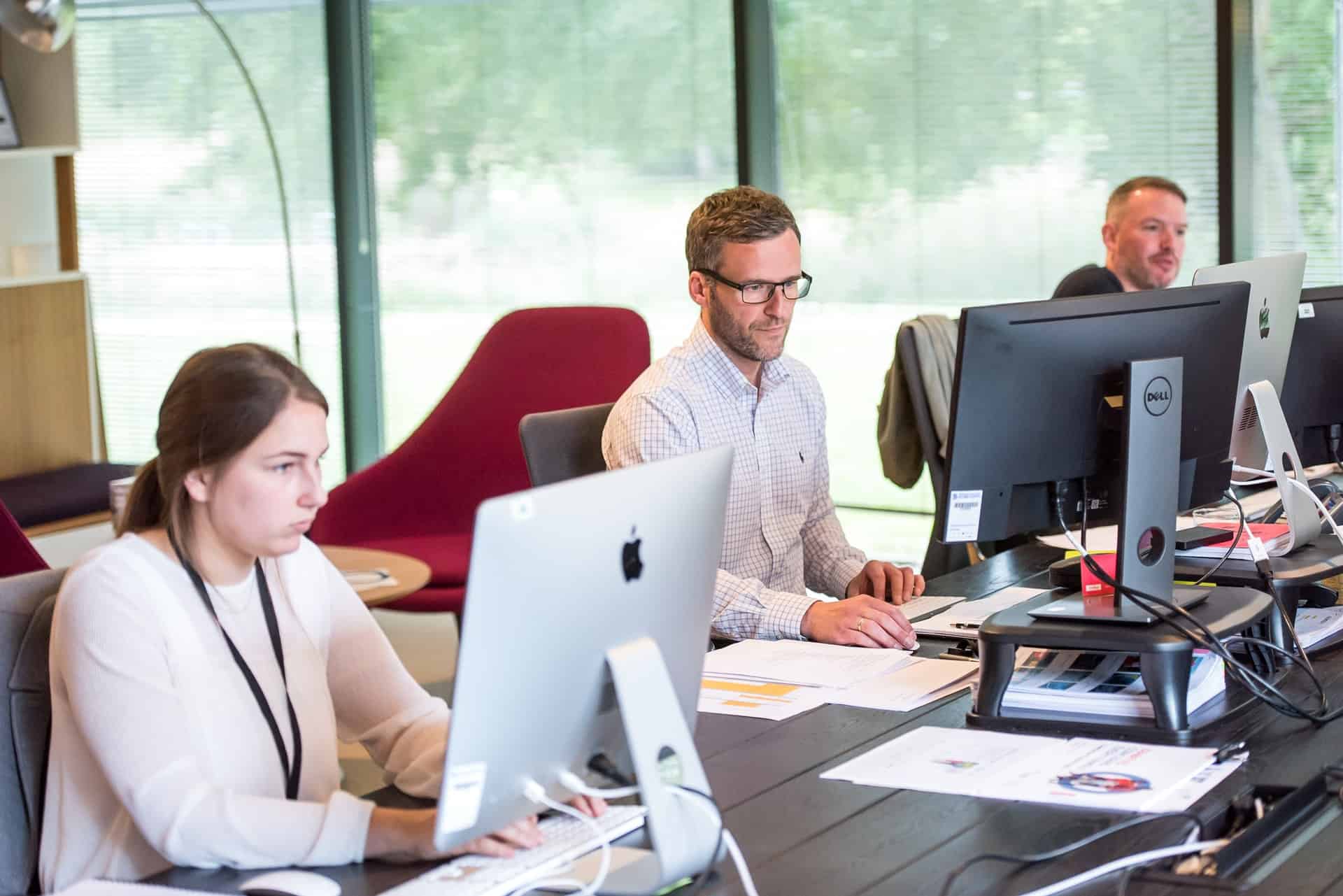
In the past, learning at work was boring. Long classes. Thick manuals. One size fits all. Many people tuned out. Many forgot what they learned a week later.
AI changes this. AI learns about you while you learn from it.
Modern AI systems can track how fast you learn. They notice where you struggle. They adjust the pace. They change the examples. This makes learning feel more human.
Personalized learning is one of AI’s biggest strengths.
- It adapts to your skill level.
- It respects your time.
- It avoids content you already know.
- It focuses on what you need right now.
This is great for busy adults. No one wants to sit through lessons they do not need. AI makes learning sharper and shorter.
Another big win is learning on demand. You no longer have to wait for a course. You do not have to schedule a full day off.
Stuck on a task? Ask an AI tutor. Need a refresher? Get a five minute lesson. Want to practice? Ask for examples.
This is like having a coach in your pocket.

AI also helps with practice. Practice is where real learning happens. But practice is often hard to arrange at work.
AI can simulate scenarios. It can create fake projects. It can role play conversations. This is very useful for soft skills.
- Sales calls.
- Performance reviews.
- Customer support chats.
- Conflict resolution.
You can practice safely. No risk. No embarrassment. Instant feedback.
For technical skills, AI can review your work. It can suggest improvements. It can explain mistakes in plain language.
This saves time for human mentors. It also builds confidence for learners.
Companies benefit too. Training is expensive. It takes time. It takes people away from work.
AI makes training more scalable. One system can help thousands of employees at once.
It also makes training more measurable.
- Who is learning?
- What skills are improving?
- Where are the gaps?
- Which programs actually work?
With this data, companies can make smarter decisions. They can invest in the right skills. They can prepare for future roles.
Employees like this too. It shows the company cares. It builds trust. It reduces fear of being replaced.
Now let us talk about fear. AI often raises one big question.
Will AI take my job?
The honest answer is simple. Some tasks will disappear. Some jobs will change. But many new roles will appear.
The safest path is not to fight AI. It is to learn with AI.
AI helps people move from routine work to higher value work. It handles the boring parts. People focus on creativity, judgment, and connection.
This is where reskilling matters most.
AI can help identify which skills are fading. It can also suggest which skills are rising. This guidance is powerful.
Instead of guessing your future, you get a map.

AI also lowers the barrier to entry. In the past, switching careers was expensive. You needed courses. Degrees. Time.
Today, AI tools can teach basics quickly. They can explain complex ideas simply. They can help you build a small portfolio.
This does not replace deep expertise. But it helps people take the first step.
And the first step is often the hardest.
AI also supports different learning styles.
- Visual learners get diagrams.
- Readers get clear text.
- Doers get exercises.
- Listeners get summaries.
This inclusivity matters. Not everyone learns the same way. AI respects that.
There are challenges too. We should be honest.
AI systems need good data. Bad data leads to bad guidance. Bias can appear. Privacy must be protected.
Companies must use AI responsibly. Employees must understand how their data is used.
Human oversight is still important. AI should assist, not decide everything.
Another challenge is motivation. AI can suggest learning. It cannot force it.
This is where culture matters. Managers should support learning. Time should be allowed. Progress should be rewarded.
When learning feels safe and supported, people engage.
Let us imagine the near future.
You start a new project. Your AI assistant suggests a short lesson. You complete it in ten minutes.
You apply it right away. You get feedback. You improve.
A few months later, you are ready for a bigger role. The AI helps you prepare.
This is not science fiction. It is already happening.
The role of AI in upskilling and reskilling is clear.
- It personalizes learning.
- It speeds up progress.
- It reduces fear of change.
- It supports lifelong growth.
The modern workforce is not static. It is alive. It evolves.
AI is not the hero of the story. People are.
But AI is a powerful sidekick. It helps people stay curious. It helps them stay relevant.
In a world that never stops changing, learning is the real job security.
And with AI, that learning becomes a lot more fun.