Organizations that manage offices, factories, schools, warehouses, and healthcare-adjacent environments have had to rethink how they monitor safety, respond to health risks, and maintain operational continuity. The Kogniz contact tracing solution is designed to help teams identify possible exposure events faster by combining visual intelligence, workplace data, and reporting tools into a unified safety workflow. Rather than relying only on manual interviews or memory-based reporting, the platform helps organizations reconstruct interactions and understand where potential risk may have occurred.
TLDR: Kogniz provides a technology-driven contact tracing solution that helps organizations identify potential exposure events, review movement patterns, and generate useful safety insights. Its key features include AI-powered detection, location and proximity analysis, real-time alerts, dashboards, reporting tools, and privacy-conscious controls. The solution is especially useful for workplaces that need faster response times and more consistent documentation during health and safety investigations. It supports operational teams by making contact tracing more structured, searchable, and easier to manage.
Understanding the Purpose of Kogniz Contact Tracing
Kogniz contact tracing is built around the idea that rapid visibility can reduce uncertainty during a workplace health incident. When an employee, visitor, contractor, or student reports a confirmed or suspected illness, safety teams often need to know who may have been nearby, where the person traveled, and how long close interactions may have lasted. Traditional methods can be slow because they depend on interviews, sign-in sheets, supervisor recollections, or incomplete facility records.
The Kogniz approach uses automation to support this process. It can help organizations review activity across monitored spaces, locate relevant events, and produce a clearer picture of possible exposure. This does not replace human judgment, but it gives safety managers more reliable information when making decisions about notifications, cleaning, temporary closures, or follow-up actions.
AI-Powered Workplace Visibility
One of the most important features of the Kogniz contact tracing solution is its use of artificial intelligence to analyze workplace environments. AI can help detect movement, recognize patterns, and identify proximity events without requiring teams to manually review hours of video or logs. This makes investigations more efficient, especially in high-traffic facilities.
AI-powered visibility can support several tasks, including:
- Identifying movement paths through monitored areas.
- Locating close-contact events based on presence and proximity.
- Reducing manual search time during case investigations.
- Supporting compliance documentation with structured records.
The benefit of this feature is speed. When safety teams need answers quickly, automated detection can shorten the time between receiving a health report and understanding the potential impact.
Proximity and Exposure Analysis
Contact tracing depends on identifying who may have been near an affected person and for how long. Kogniz helps organizations analyze proximity-based interactions, allowing decision-makers to understand the likelihood of exposure in shared spaces. This may include common areas, conference rooms, production floors, entry points, cafeterias, hallways, or classrooms.
By reviewing proximity data, safety teams can prioritize the most relevant contacts instead of issuing broad notifications to everyone in a building. This targeted approach can reduce disruption while still supporting responsible health protocols. It also helps organizations avoid unnecessary shutdowns by focusing attention on specific areas and individuals.
Real-Time Alerts and Notifications
Another valuable feature is the ability to generate alerts when specific safety conditions are detected. While the exact configuration may vary by implementation, Kogniz can support real-time or near-real-time notifications that help teams respond before a situation grows more complex.
Alerts may help with:
- Notifying safety personnel when a possible exposure case requires review.
- Flagging high-density areas where distancing policies may be harder to maintain.
- Triggering workflow actions for cleaning, investigation, or communication.
- Escalating incidents to administrators or facility managers.
These alerts can be especially useful in dynamic workplaces where managers cannot monitor every area at all times. Instead of reacting only after a report is filed, the organization can create a more proactive health and safety posture.
Centralized Dashboard for Safety Teams
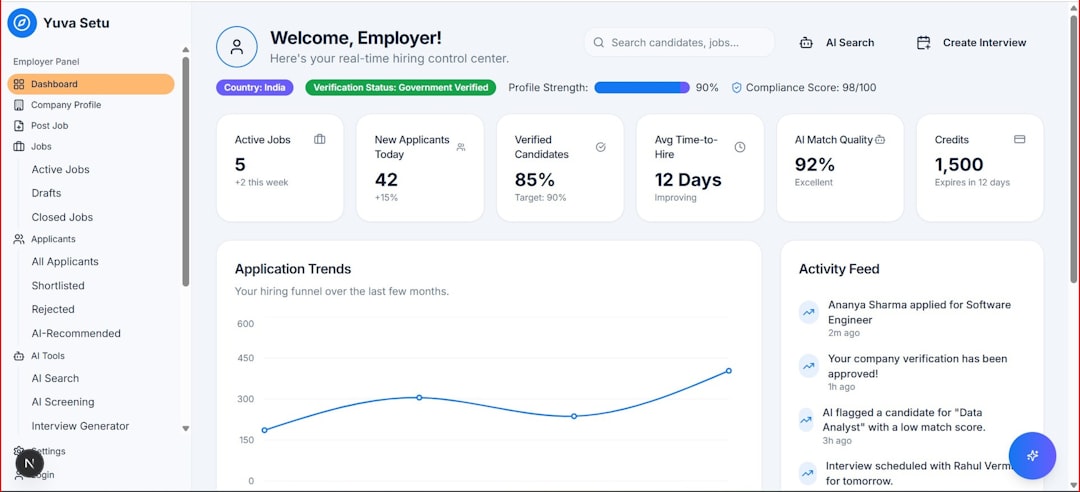
A contact tracing system is only useful if the information is understandable. Kogniz typically provides a centralized dashboard where administrators and safety personnel can review relevant data, track events, and manage investigations. This dashboard acts as the operational hub for contact tracing activities.
A well-designed dashboard may display information such as affected locations, time ranges, potential contacts, exposure duration, open cases, and response actions. By bringing these details together, the platform helps teams move from raw data to practical decisions. Instead of searching through multiple records or systems, authorized users can access a clearer, more organized view.
Centralization is particularly important for large organizations with multiple departments, buildings, or campuses. It supports consistency, reduces duplicated work, and helps leadership understand the broader safety picture.
Historical Search and Case Review
Contact tracing often requires looking backward. A person may report symptoms or a confirmed diagnosis days after being present in the workplace. For this reason, historical search capabilities are a central part of the Kogniz contact tracing solution.
Authorized users can review past activity within specific time windows to determine where an individual may have been and who may have been nearby. This feature is helpful because it creates a structured investigation process. Rather than asking employees to remember every interaction from several days earlier, safety teams can use available system records to support a more accurate review.
Historical search can also assist with trend analysis. If certain areas repeatedly appear in exposure investigations, the organization may decide to adjust cleaning schedules, traffic patterns, occupancy limits, or ventilation strategies.
Integration with Existing Safety Workflows
Kogniz is designed to fit into broader workplace safety processes. Contact tracing is rarely a standalone task; it often connects to visitor management, access control, human resources, facilities management, cleaning operations, and compliance reporting. A solution that supports integrations can reduce administrative burden and improve response coordination.
For example, when a potential case is identified, the organization may need to notify supervisors, review attendance records, schedule disinfection, and document all actions taken. A connected workflow helps ensure that no step is missed. It also creates a clearer record if leadership, regulators, or internal auditors request documentation.
The strongest value appears when contact tracing becomes part of a repeatable safety playbook, rather than a one-time emergency process.
Privacy and Access Controls
Any workplace contact tracing system must consider privacy. Kogniz supports the need for controlled access and responsible data handling by allowing organizations to define who can view sensitive information and how investigation data is used. This is important because contact tracing may involve health-related events, employee movement, and personally identifiable details.
Privacy-conscious features may include role-based permissions, limited access to case data, configurable retention practices, and audit-friendly administrative controls. These safeguards help organizations balance safety with employee trust. Workers are more likely to accept safety technology when the organization communicates clearly about its purpose, limits, and governance.
Rather than using contact tracing data for unrelated monitoring, organizations should define policies that keep the system focused on health, safety, and operational continuity.
Occupancy Monitoring and Distancing Insights
In addition to tracing specific contacts, Kogniz can support occupancy and distancing insights. This helps organizations understand how spaces are being used and whether certain areas regularly become crowded. These insights are useful for prevention, not just response.
Occupancy monitoring may help management teams:
- Adjust room capacity limits based on real usage.
- Redesign traffic flow in congested areas.
- Schedule shifts or breaks to reduce crowding.
- Identify locations that may require additional signage or supervision.
These preventive features can reduce the likelihood of widespread exposure by improving how people move through and occupy shared environments.
Reporting and Documentation
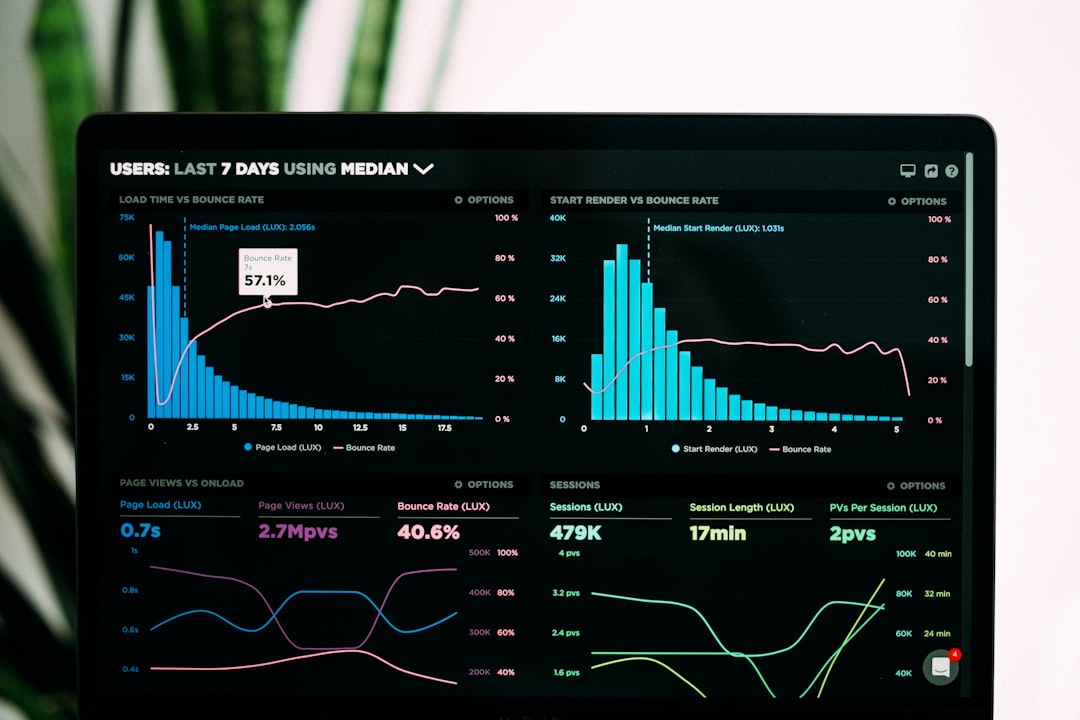
Strong reporting is another major feature of the Kogniz contact tracing solution. During and after a health event, organizations often need to document what happened, what information was reviewed, who was notified, and what actions were taken. Reports can support internal accountability and provide evidence that the organization followed its safety procedures.
Reports may include timelines, exposure summaries, affected areas, potential contact lists, and completed response tasks. This can be helpful for executive briefings, legal review, human resources processes, and operational planning. In regulated or high-risk environments, documentation can be just as important as the initial response.
Scalability for Different Environments
Kogniz contact tracing can be valuable across many types of facilities. A small office may use it to manage employee safety with minimal administrative effort, while a larger enterprise may rely on it across multiple buildings or locations. Schools, logistics centers, manufacturing plants, and corporate campuses may all benefit from faster investigation workflows.
The scalability of the solution matters because contact tracing needs can change. During periods of heightened health concern, organizations may need expanded monitoring and reporting. During normal operations, they may use the same system for general safety visibility, occupancy insights, and incident documentation.
Benefits for Operational Continuity
The broader goal of Kogniz contact tracing is not only to identify exposure but also to help organizations continue operating responsibly. Faster investigations can reduce downtime, avoid unnecessary closures, and support targeted responses. When management has reliable information, it can make decisions with more confidence.
The solution also supports communication. Employees and stakeholders tend to respond better when an organization can explain what was reviewed and why certain actions were taken. This level of clarity can reduce confusion and help maintain trust during stressful situations.
Conclusion
The Kogniz contact tracing solution offers a structured, technology-enabled way to manage workplace exposure investigations. Its features, including AI-powered visibility, proximity analysis, real-time alerts, historical search, dashboards, privacy controls, occupancy insights, and reporting, help organizations respond more quickly and consistently. While contact tracing still requires human oversight and clear policies, Kogniz provides the digital foundation needed to make the process more accurate and less labor-intensive.
For organizations that want to strengthen health and safety operations, Kogniz represents more than a crisis-response tool. It can become part of a broader workplace intelligence strategy that supports prevention, documentation, and operational resilience.
FAQ
What is the Kogniz contact tracing solution?
Kogniz contact tracing is a workplace safety solution that helps organizations identify possible exposure events, review movement history, analyze proximity, and support health-related investigations with structured data.
How does Kogniz improve contact tracing?
It improves contact tracing by using AI, dashboards, alerts, and historical search tools to reduce manual investigation time and provide clearer information about potential contacts and affected areas.
Does Kogniz replace manual safety procedures?
No. Kogniz supports safety teams by providing data and workflow tools, but organizations still need human decision-making, internal policies, and appropriate communication procedures.
Can Kogniz help reduce workplace disruption?
Yes. By identifying specific exposure areas and likely contacts, the solution can help organizations take targeted action instead of issuing broad closures or unnecessary notifications.
Is privacy considered in Kogniz contact tracing?
Privacy is an important part of responsible implementation. Organizations can use access controls, data governance policies, and clear communication to ensure that contact tracing data is handled appropriately.
What types of organizations can use Kogniz contact tracing?
It can be useful for offices, schools, warehouses, manufacturing sites, campuses, and other shared environments where health and safety teams need faster visibility into potential exposure events.