The Internet of Things (IoT) revolution is in full swing, and developers have a wide array of IoT development boards to choose from. These boards offer various features, computing powers, and connectivity options that cater to everything from simple DIY projects to complex industrial applications. Whether you’re a hobbyist, a student, or an industry professional, choosing the right IoT board is essential for successful project execution.
TLDR
IoT development boards like Arduino, ESP32, and Raspberry Pi each offer different advantages. Arduino is best for simple sensor-based projects and learning the basics, while ESP32 brings more processing power and built-in Wi-Fi/Bluetooth. Raspberry Pi acts as a full-fledged mini-computer, suitable for advanced applications requiring an operating system. The right board depends on your project’s complexity, connectivity needs, and real-time requirements.
Understanding IoT Development Boards
IoT development boards are microcontroller or microprocessor-based platforms used to prototype and deploy IoT systems. Each board has its own strength—some excel in connectivity, others in computing power, and some in modularity or ease of use.
Key Features to Consider:
- Processing Power: Required for complex data processing tasks.
- Connectivity: Wi-Fi, Bluetooth, Ethernet, Cellular support.
- GPIO (General Purpose Input/Output): Needed to interface with sensors and actuators.
- Power Consumption: Critical for battery-powered applications.
- Community Support: Ease of troubleshooting and access to libraries and documentation.
Popular IoT Development Boards
Arduino (Uno, Nano, Mega)
Arduino is one of the most popular platforms for beginners. The open-source nature, coupled with a huge community, makes it ideal for those just starting with hardware development.
Key Specs:
- Microcontroller: ATmega328P (Uno)
- Operating Voltage: 5V
- Digital I/O Pins: 14 (6 PWM outputs)
- Analog Input Pins: 6
- Connectivity: USB, with add-on shields for Wi-Fi, BLE
Arduino is excellent for prototyping simple systems like temperature monitors, motion detectors, or LED control systems.

ESP32
Developed by Espressif, the ESP32 is also open-source and offers far more power than traditional Arduino boards. It includes integrated Wi-Fi and Bluetooth, making it ideal for wireless IoT applications.
Key Specs:
- Processor: Dual-core Xtensa 32-bit LX6
- Clock Speed: Up to 240 MHz
- Wi-Fi: 802.11 b/g/n
- Bluetooth: 4.2 and BLE
- GPIO Pins: Varies (typically around 30)
The ESP32 shines in applications like home automation, sensor networks, and even real-time audio processing. Developers can program it using Arduino IDE or MicroPython, offering both familiarity and flexibility.
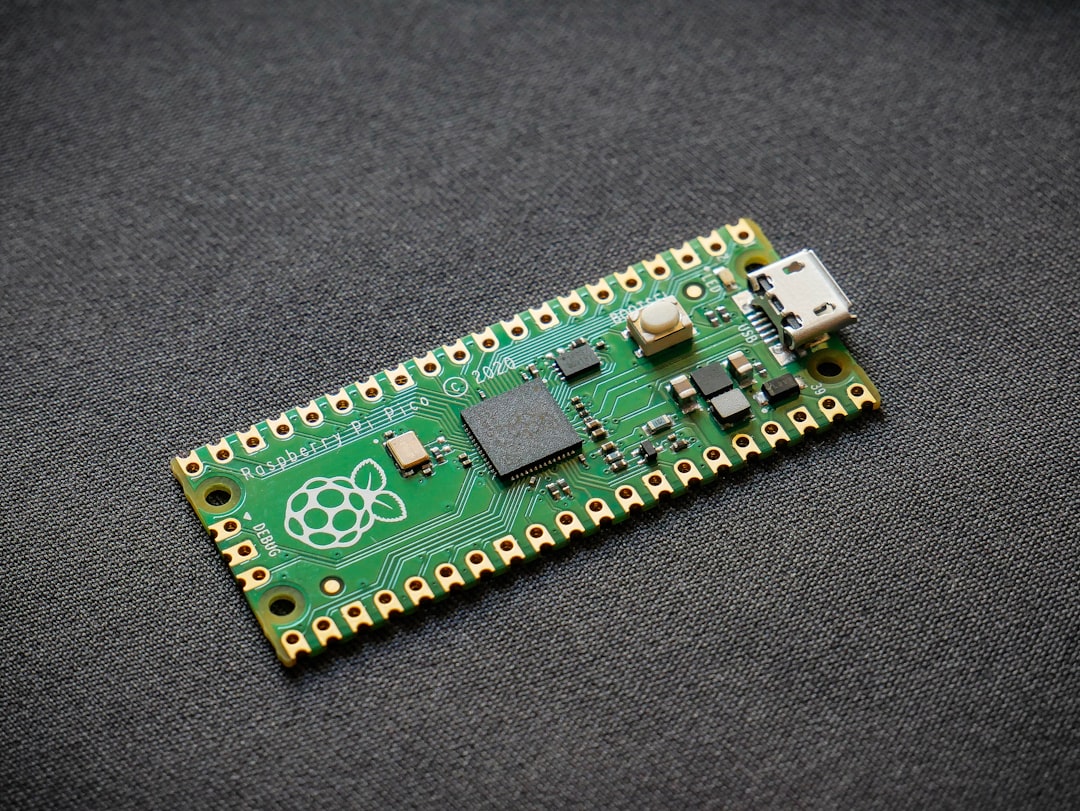
Raspberry Pi (Pi 4, Pi Zero W)
Raspberry Pi is a single-board computer (SBC), which means it’s capable of running a full Linux OS. Unlike microcontrollers, it is suited for compute-heavy tasks like image processing, web serving, and AI edge computing.
Key Specs (Raspberry Pi 4):
- CPU: Quad-core Cortex-A72 (Arm v8)
- RAM: 2GB–8GB options
- Connectivity: Wi-Fi, Bluetooth, Gigabit Ethernet, USB 3.0
- GPIO: 40-pin header
- OS: Raspbian (Linux), supports others
Raspberry Pi is best suited for gateways, smart hubs, or complex user interfaces. It typically requires more power but delivers unmatched versatility in return.
BeagleBone Black
Known for industrial-level robustness, BeagleBone Black is another SBC that targets professional developers. It features extensive I/O and better real-time processing than Raspberry Pi due to its PRUs (Programmable Real-time Units).
Key Specs:
- Processor: AM335x 1GHz ARM® Cortex-A8
- RAM: 512MB DDR3
- Onboard Storage: 4GB eMMC
- Connectivity: Ethernet, USB
- GPIO: 65+
BeagleBone shines in fields such as robotics, automation, and industrial control systems thanks to its real-time capability and wide I/O options.
Particle Photon
Designed with cloud connectivity in mind, the Particle Photon comes with onboard Wi-Fi and is built around seamless integration with the Particle Cloud. It’s tailored to developers who prefer cloud-first solutions.
Key Specs:
- Microcontroller: STM32F205 ARM Cortex M3
- Wi-Fi: Broadcom BCM43362
- Digital Pins: 18
- Analog Pins: 8
- Cloud Feature: Over-the-air firmware update
It’s ideal for projects requiring reliable and secure cloud connectivity, like smart home devices or remote monitoring systems.
How to Choose the Right IoT Board?
Choosing the right IoT board involves assessing your project requirements along the following dimensions:
- Environmental Conditions: Is the deployment indoor, outdoor, industrial?
- Power Needs: Battery-powered projects benefit from low-power MCUs like Arduino or ESP32 with deep sleep modes.
- Connectivity: If constant internet access is needed, the board should have robust Wi-Fi or cellular options.
- Processing Requirements: Data-heavy tasks are best managed by SBCs like Raspberry Pi or BeagleBone.
- Budget: Arduino Uno is inexpensive, while Raspberry Pi and BeagleBone are costlier but more capable.
Comparison Summary: Board vs Board
| Board | Type | Connectivity | Ease of Use | Best For |
|---|---|---|---|---|
| Arduino Uno | Microcontroller | Add-on Shields | Very Easy | Basic IoT, Education |
| ESP32 | Microcontroller | Wi-Fi, Bluetooth | Easy | Wireless Projects, Real-Time |
| Raspberry Pi 4 | Single-board Computer | Wi-Fi, Ethernet | Moderate | AI, Imaging, Web Servers |
| BeagleBone Black | Single-board Computer | Ethernet | Moderate | Industrial Controls |
| Particle Photon | Microcontroller | Wi-Fi | Easy | Cloud Projects |
Conclusion
The world of IoT development boards is vast, offering something for every level of expertise and every kind of project. While the Arduino board is perfect for getting started, the ESP32 provides an ideal balance of power and connectivity. For projects that require an operating system or visual interfaces, the Raspberry Pi stands out. As always, understanding the nature and scope of your project will guide you to the board that best meets