Many users encounter login issues when trying to access Claude, and the experience can be frustrating—especially when the cause isn’t immediately clear. Whether the problem stems from browser settings, cached data, account verification, or network conflicts, most login errors can be resolved quickly with the right troubleshooting steps. Understanding the underlying reason is essential to applying the fastest fix.
TLDR: Claude login errors are usually caused by browser cache issues, disabled cookies, VPN conflicts, outdated browsers, or account authentication problems. Clearing cache, enabling cookies, switching browsers, disabling extensions, and verifying account details resolve most cases within minutes. If those steps don’t work, checking network settings or contacting support are the next best options. Most login problems are temporary and fixable without advanced technical skills.
Why Claude Login Errors Happen
Before attempting solutions, it’s helpful to understand why Claude may refuse to log users in. Common error messages include “Something went wrong,” “Authentication failed,” or repeated redirects back to the login screen. These errors often appear due to:
- Corrupted browser cache or cookies
- Disabled third-party cookies
- VPN or proxy interference
- Outdated browser versions
- Conflicts with browser extensions
- Incorrect login credentials
- Temporary server-side outages
Fortunately, the majority of these problems can be fixed quickly by addressing browser or account-related conflicts.
1. Clear Browser Cache and Cookies
The most common reason Claude fails to log users in is a corrupted cache or outdated cookies stored in the browser. Cached files help websites load faster, but they can also preserve old authentication data that conflicts with new login sessions.
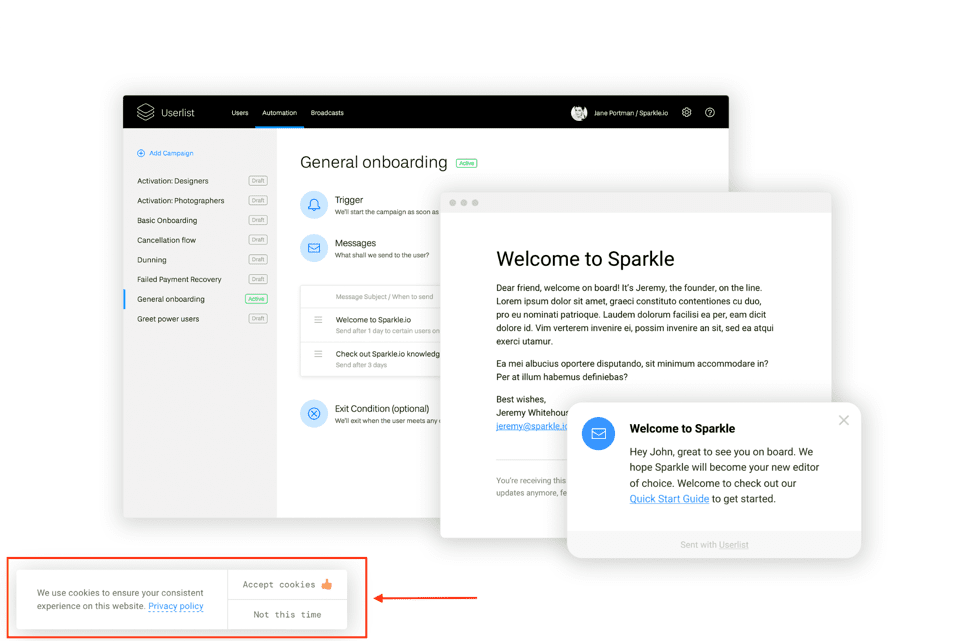
How to fix it:
- Open browser settings.
- Navigate to Privacy and Security.
- Select Clear Browsing Data.
- Choose Cookies and Cached Images.
- Restart the browser and log in again.
This step alone resolves a significant percentage of login errors.
2. Enable Cookies and Third-Party Cookies
Claude relies on cookies to maintain login sessions. If cookies are disabled, the system cannot verify user authentication, causing repeated login prompts or error messages.
What to check:
- Cookies are enabled in browser settings.
- Third-party cookies are not blocked.
- No strict privacy extensions are preventing session storage.
For browsers with enhanced privacy modes, temporarily allow cookies for Claude’s domain. Once logged in successfully, users can selectively re-enable stricter settings if desired.
3. Disable Browser Extensions
Ad blockers, script blockers, and privacy-focused extensions often interfere with authentication scripts. Login forms require JavaScript and secure tokens that some extensions mistakenly block.
Quick test: Open Claude in an Incognito or Private Window with extensions disabled. If login works there, an extension is likely the culprit.
To fix the issue:
- Disable ad blockers temporarily.
- Turn off script protection extensions.
- Whitelist Claude’s website.
Re-enable extensions one by one to identify the specific conflict.
4. Update or Switch Your Browser
An outdated browser may lack compatibility with current authentication standards. Security protocols such as modern TLS versions and updated JavaScript frameworks require up-to-date browsing software.
Users should:
- Check for browser updates.
- Restart the browser after updating.
- Attempt login again.
If the issue persists, switching to a different browser (e.g., Chrome, Firefox, Edge, or Safari) can help determine if the issue is browser-specific.
Many login glitches disappear simply by using a different browser environment.
5. Disable VPN or Proxy Connections
Virtual private networks and proxy servers can mask IP addresses or change geographical locations. Some authentication systems flag rapid location changes or suspicious IP addresses as potential security risks.
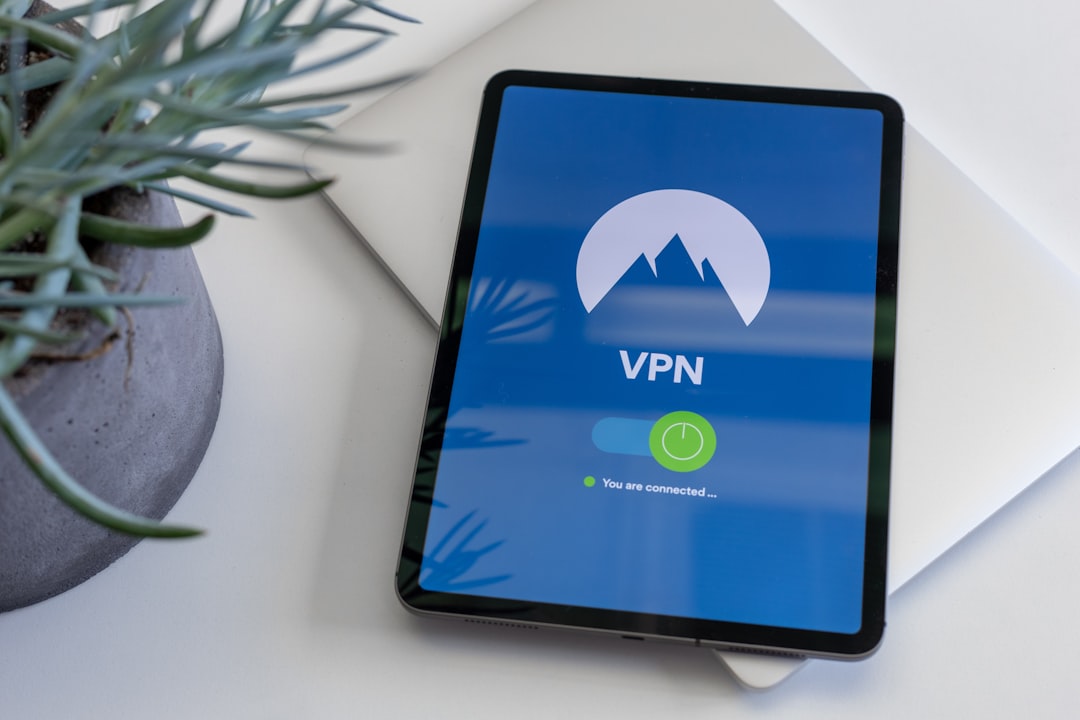
Try this:
- Disconnect from the VPN.
- Disable proxy settings in your browser or device.
- Restart your router if necessary.
After disabling the VPN, attempt logging in again. If successful, the VPN location may have triggered automated security measures.
6. Verify Account Credentials and Two-Factor Authentication
Sometimes the problem isn’t technical—it’s account-related. Incorrect email addresses, expired passwords, or incomplete authentication verification are common login blockers.
Things to check:
- Correct spelling of email address.
- Caps Lock is off.
- Password reset if unsure.
- Two-factor authentication codes entered correctly and promptly.
If a password reset link does not arrive, search spam or junk folders. Occasionally, corporate or educational email providers delay automated verification emails.
Users who recently changed their password on another device should fully log out from all sessions before attempting to log in again.
7. Check Network and Firewall Restrictions
Corporate networks, school WiFi systems, and strict firewall configurations may block authentication endpoints. If Claude works on mobile data but not on a work network, restricted ports or firewall policies might be responsible.
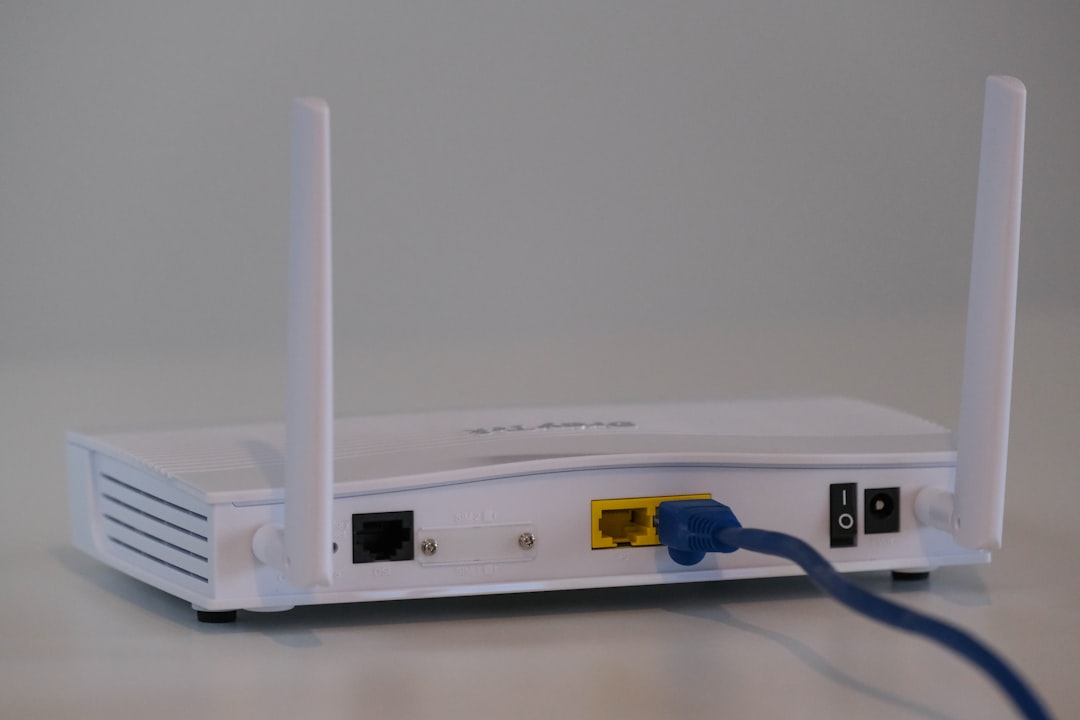
Steps to troubleshoot:
- Test login on a different network.
- Switch from WiFi to mobile hotspot.
- Restart your modem or router.
- Consult IT support if on a managed network.
Network refreshes often solve DNS conflicts or cached routing problems that interfere with secure logins.
When It’s a Server-Side Issue
If none of the above methods work, the issue may not be on the user’s end. Occasionally, server outages or system maintenance can temporarily prevent logins.
How to check:
- Look for service status updates on official channels.
- Check social media for outage reports.
- Wait 15–30 minutes and try again.
Server-side login problems are typically resolved quickly by platform engineers.
Preventing Future Login Issues
Cleaning cache and disabling settings solve problems, but prevention saves time in the future. Users can reduce recurring login issues by:
- Keeping browsers updated automatically.
- Avoiding multiple simultaneous VPN location switches.
- Not overloading browsers with incompatible extensions.
- Using a password manager to prevent credential errors.
- Logging out properly before switching devices.
Maintaining a clean and updated browser environment ensures smoother authentication experiences across platforms.
FAQ: Claude Login Problems
1. Why does Claude keep redirecting me to the login page?
This usually indicates blocked cookies or corrupted session data. Clearing cookies and enabling third-party cookies typically fixes the redirect loop.
2. Is my account banned if I can’t log in?
Not necessarily. Most login failures are technical and unrelated to account status. Try browser troubleshooting before assuming account restrictions.
3. Does using a VPN cause login problems?
Yes, in some cases. VPNs can trigger security flags due to IP location changes. Disconnecting the VPN often resolves authentication errors.
4. Why does login work on my phone but not my computer?
The issue is likely browser-related on the computer—possibly cache corruption, blocked cookies, or a conflicting extension.
5. How often should I clear browser cache?
There’s no strict rule, but clearing cache every few months or when encountering login issues can prevent persistent authentication conflicts.
6. What if I don’t receive the password reset email?
Check spam folders, verify email spelling, and ensure your inbox isn’t full. Corporate email systems sometimes filter automated messages.
7. Can firewall settings block Claude?
Yes. Workplace or school firewalls may restrict certain authentication services. Try another network to confirm.
8. Should I reinstall my browser?
Reinstallation is rarely needed. Clearing data, disabling extensions, or updating the browser typically resolves login errors.
Final Thoughts
Login problems with Claude can feel disruptive, but they are rarely permanent. Most cases stem from browser settings, cached authentication tokens, VPN conflicts, or minor account verification issues—not from serious system faults. By following the seven fast fixes outlined above, users can quickly restore access and resume their work without unnecessary frustration. Taking a systematic approach—starting with simple browser cleanup and progressing to network checks—ensures the fastest path back to a successful login.