Organizations of all sizes are under pressure to streamline operations, reduce manual work, and integrate an ever-expanding ecosystem of digital tools. As a result, automation has shifted from a niche technical initiative to a strategic priority. Two dominant approaches have emerged: no-code automation tools and framework-driven solutions. While both aim to increase efficiency and scalability, they differ significantly in flexibility, complexity, cost structure, and long-term impact.
TL;DR: No-code automation tools prioritize speed, accessibility, and ease of implementation, making them ideal for non-technical users and fast-moving teams. Framework-driven solutions offer deeper customization, scalability, and control, but require skilled developers and longer deployment cycles. The best choice depends on your organization’s technical maturity, compliance requirements, and long-term automation strategy. In many cases, a hybrid model delivers the strongest results.
Understanding No-Code Automation Tools
No-code automation platforms allow users to build workflows and integrations through visual interfaces rather than traditional programming. They typically feature drag-and-drop builders, prebuilt connectors, and trigger-action logic that enables users to automate repetitive tasks.

Examples include tools that connect applications (such as CRM systems, marketing platforms, and project management tools) to automatically move data or trigger notifications.
Key Characteristics of No-Code Tools
- Visual workflow builders instead of code-based logic
- Preconfigured integrations with popular software platforms
- Rapid implementation with minimal setup time
- Subscription-based pricing models
- Limited backend customization
No-code tools democratize automation. Business users without programming expertise can build and deploy workflows independently, reducing reliance on engineering teams.
Understanding Framework-Driven Solutions
Framework-driven solutions rely on programming libraries, APIs, and development frameworks to build automation workflows. These solutions require software engineering expertise and often become deeply embedded within an organization’s architecture.
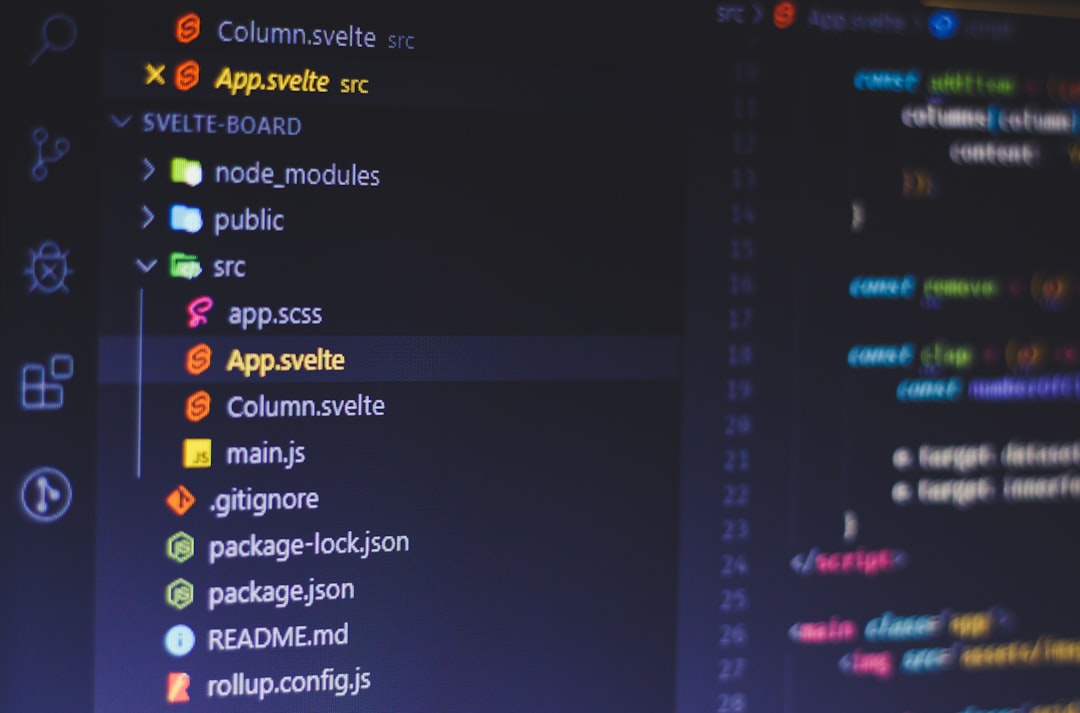
Rather than relying on preset connectors, developers write code that interacts directly with APIs, databases, and internal systems. This approach allows for granular control and complex logic creation.
Core Attributes of Framework-Driven Automation
- Custom code implementation
- Full API access and database control
- Greater flexibility in logic design
- Scalable infrastructure capabilities
- Higher upfront development investment
Framework-driven solutions are often deployed in enterprises with strict compliance requirements, large data volumes, or highly specialized workflows.
Comparative Overview
The following comparison highlights the central differences between no-code platforms and framework-driven solutions:
| Criteria | No-Code Automation Tools | Framework-Driven Solutions |
|---|---|---|
| Ease of Use | High; accessible to non-technical users | Low; requires developer expertise |
| Time to Deploy | Short (hours to days) | Longer (weeks to months) |
| Customization | Limited to platform capabilities | Extensive and fully customizable |
| Scalability | Moderate; dependent on vendor | High; designed to scale with architecture |
| Maintenance | Managed by vendor | Managed internally |
| Cost Structure | Recurring subscription fees | Higher upfront development cost |
| Security Control | Dependent on vendor standards | Customizable security policies |
Advantages of No-Code Automation
No-code automation shines in environments where speed and simplicity matter most. Departments such as marketing, HR, and operations can independently automate repetitive tasks without waiting for engineering resources.
Primary Benefits
- Rapid prototyping and iteration
- Lower technical barrier to entry
- Reduced dependence on IT departments
- Quick ROI for straightforward workflows
For small and mid-sized businesses, no-code tools often represent the most pragmatic path forward. They allow fast scaling of automation efforts while conserving technical resources.
However, they may become limiting when workflows require highly customized logic, proprietary system integrations, or advanced security configurations.
Advantages of Framework-Driven Automation
Framework-driven solutions offer a deeper level of precision and control. Organizations with internal development teams can create automation pipelines tailored exactly to their operational requirements.

Primary Benefits
- Unlimited customization potential
- Seamless integration with internal systems
- Advanced data processing capabilities
- Greater long-term scalability
Because these solutions are built directly into the company’s architecture, they often provide stronger performance optimization and better compliance alignment. Enterprises handling sensitive financial, healthcare, or government data frequently prefer this approach.
Cost Considerations
While no-code tools appear inexpensive initially, subscription costs can accumulate significantly as usage scales. Many platforms charge based on the number of workflows, tasks executed, or connected applications.
Framework-driven solutions typically involve:
- Developer salaries or contractor fees
- Infrastructure hosting expenses
- Ongoing maintenance and updates
In the short term, custom development may cost more. Over time, however, it can prove cost-effective if automation becomes mission-critical and requires constant extension beyond standard capabilities.
Scalability and Performance
No-code platforms often operate within vendor-defined limits, such as:
- API rate limits
- Concurrent workflow restrictions
- Data volume constraints
Framework-driven solutions, by contrast, scale according to the infrastructure they are deployed on. With proper cloud architecture, load balancing, and containerization, they can handle millions of transactions with predictable performance.
This distinction becomes crucial for enterprises experiencing rapid growth or high data throughput demands.
Security and Compliance Implications
Security is not merely a technical afterthought—it is often a deciding factor. No-code tools rely on vendor security practices. While leading providers implement robust safeguards, organizations must accept a degree of abstraction from direct control.
Framework-driven automation allows:
- Custom encryption policies
- Granular access controls
- Full audit trail implementation
- Integration with internal identity systems
For regulated industries, this level of control can be non-negotiable.
When to Choose Each Approach
The decision ultimately revolves around strategic priorities.
Choose No-Code Automation If:
- You need fast deployment
- The workflows are straightforward
- Technical resources are limited
- Vendor-managed infrastructure is acceptable
Choose Framework-Driven Solutions If:
- You require deep customization
- You manage high volumes of sensitive data
- Scalability is a central objective
- You maintain a dedicated development team
The Hybrid Model: Increasingly Common
Many mature organizations do not treat this as a binary choice. Instead, they adopt a hybrid model.
In this structure:
- Departments use no-code tools for lightweight workflows.
- Engineering teams build core automation systems using frameworks.
- Critical processes remain under direct architectural control.
This layered strategy balances agility with governance while preserving long-term flexibility.
Conclusion
No-code automation tools and framework-driven solutions serve distinct but overlapping purposes. No-code platforms excel at democratizing automation, accelerating deployment, and empowering business units. Framework-driven solutions, meanwhile, provide unmatched customization, robust security control, and scalable infrastructure alignment.
There is no universally superior option. Instead, the right choice depends on organizational size, regulatory landscape, technical capacity, and long-term strategy. Businesses that carefully evaluate both approaches—rather than pursuing automation based solely on trend or convenience—position themselves to build resilient, adaptable automation ecosystems capable of supporting sustained growth.