As digital commerce continues to evolve, businesses are searching for faster, more connected ways to sell across platforms, devices, and ecosystems. Google Universal Commerce Protocol (UCP) is designed to simplify and unify how products, inventory, and checkout systems communicate across Google’s services and partner platforms. For beginners, understanding UCP can open the door to streamlined integrations, smarter automation, and better customer experiences across search, shopping, mobile, and voice environments.
TLDR: Google Universal Commerce Protocol (UCP) is a standardized framework that allows retailers and platforms to sync product data, inventory, pricing, and checkout experiences across Google services and partner ecosystems. It reduces integration complexity and enables seamless omnichannel selling. Businesses can use UCP to improve visibility, automate updates, and support unified checkout experiences. For beginners, learning UCP means understanding its structure, use cases, and integration steps.
What Is Google Universal Commerce Protocol (UCP)?
Google Universal Commerce Protocol (UCP) is a unified data framework that standardizes how commerce-related information is shared between merchants, marketplaces, and Google-powered surfaces such as Search, Shopping, YouTube, Maps, and Android. Instead of building separate integrations for each platform, UCP provides a common structure for:
- Product listings
- Inventory updates
- Pricing data
- Promotional offers
- Order and fulfillment status
- Checkout and payment workflows
This unified structure reduces fragmentation and helps merchants maintain consistent information everywhere their products appear.

Why Universal Commerce Matters
Modern consumers move fluidly between devices and platforms. A customer may discover a product through Google Search, compare prices on Shopping, watch a product review on YouTube, and complete a purchase on mobile—all within minutes.
Without a unified protocol, businesses often struggle with:
- Data discrepancies between platforms
- Delayed inventory updates
- Inconsistent pricing
- Checkout mismatches
- Fragmented reporting
UCP aims to solve these issues by ensuring all platforms rely on the same standardized commerce data model.
Core Components of UCP
For beginners, it helps to break UCP into its foundational building blocks.
1. Unified Product Schema
At the heart of UCP lies a standardized product schema. This includes consistent formatting for:
- Product name and description
- Images and media
- Brand and category
- Variants (size, color, model)
- Unique identifiers (SKU, GTIN)
This schema ensures that every platform interprets product information correctly and consistently.
2. Real-Time Inventory Synchronization
UCP supports near real-time updates of stock levels. This reduces overselling and improves customer trust. Whether inventory changes in a physical store or online warehouse, it updates across connected Google surfaces.
3. Pricing and Promotions Engine
Businesses can sync dynamic pricing rules and promotional offers through UCP. This prevents outdated sale prices from appearing in search results or product listings.
4. Unified Checkout Integration
UCP supports integration with checkout systems, allowing customers to complete purchases smoothly whether they are buying directly through a merchant’s website or through a Google-powered environment.
5. Order and Fulfillment Feedback Loop
Post-purchase data such as order confirmation, shipping updates, and delivery tracking are also standardized under UCP. This improves transparency and reporting.
How UCP Works: A Simplified Workflow
To better understand how UCP functions, imagine the following process:
- A merchant updates product inventory in their central system.
- The system pushes structured data using UCP standards.
- Google services ingest the data in the standardized schema.
- Search, Shopping, and other surfaces display consistent information.
- When a purchase occurs, fulfillment updates feed back into the system.
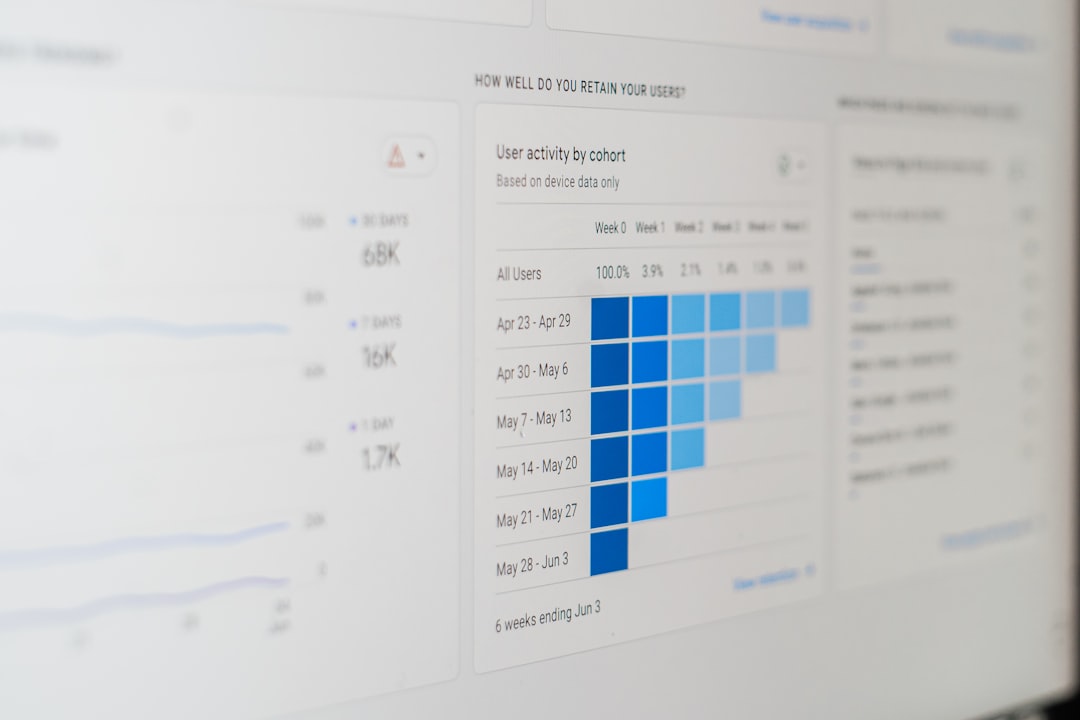
This loop ensures data consistency from discovery to delivery.
Benefits for Beginners and Small Businesses
While UCP may sound technical, it provides concrete benefits even for small and mid-sized businesses.
1. Reduced Technical Overhead
Instead of building separate APIs for each system, merchants integrate once using UCP-compatible connectors.
2. Faster Platform Expansion
Businesses can list products across multiple Google-powered environments more quickly.
3. Improved Accuracy
Unified data reduces errors in pricing and availability.
4. Better Customer Experience
Consistent listings build trust and reduce checkout friction.
5. Enhanced Analytics
Centralized reporting allows merchants to understand cross-platform performance more clearly.
How to Get Started with UCP
If someone is new to Google Universal Commerce Protocol, the following steps provide a practical path forward.
Step 1: Audit Existing Commerce Data
Businesses should review their current product feeds, schemas, and data structures. Identifying inconsistencies early will simplify migration.
Step 2: Align Product Data with Standardized Schema
Ensure each product has:
- Clean titles and descriptions
- Standard identifiers (GTIN, SKU)
- High-quality images
- Accurate category mapping
Step 3: Use Compatible Platforms or Plugins
Many ecommerce platforms are developing built-in compatibility with standardized commerce frameworks. Beginners should look for integrations that support structured commerce feeds and API-based synchronization.
Step 4: Enable Automated Updates
Automation is critical. Real-time or scheduled syncing prevents outdated listings.
Step 5: Monitor and Optimize
After integration, merchants should:
- Check feed diagnostics
- Monitor disapproved listings
- Track performance metrics
- Refine product data over time
Common Use Cases of UCP
Google Universal Commerce Protocol supports numerous real-world scenarios:
Omnichannel Retail
Retailers selling both online and in-store can sync inventory seamlessly across systems.
Marketplace Integration
Businesses operating in multiple digital marketplaces can maintain consistent listings.
Local Inventory Ads
Accurate store-level stock status appears in local search results.
Voice Commerce
Structured data supports voice-based product discovery.
Challenges Beginners May Face
Despite its advantages, adopting UCP can present a few challenges:
- Data cleanliness issues
- Legacy system compatibility
- Incorrect identifier mapping
- Delayed synchronization settings
Most of these issues can be resolved through careful schema alignment and ongoing feed optimization.
Best Practices for Long-Term Success
To maximize results from UCP implementation:
- Maintain accurate product categorization
- Use high-resolution, consistent product images
- Standardize naming conventions
- Implement automated inventory tracking
- Regularly audit structured data accuracy
Consistency is the key principle behind universal commerce. Clean, structured data leads to better automation and improved discoverability.
The Future of Universal Commerce
As artificial intelligence and automation become more central to ecommerce, protocols like UCP will likely play a larger role. Standardized commerce data enables:
- AI-driven product recommendations
- Predictive inventory forecasting
- Automated campaign optimization
- Seamless cross-device shopping journeys
For beginners entering the ecommerce world, understanding universal commerce standards prepares them for scalable growth.
Frequently Asked Questions (FAQ)
1. Is Google Universal Commerce Protocol the same as Google Merchant Center?
No. Merchant Center is a platform for submitting product data, while UCP represents a broader standardized data framework that supports unified commerce integration across multiple services.
2. Do small businesses need technical expertise to implement UCP?
Not necessarily. Many ecommerce platforms offer built-in integrations or plugins that simplify structured data synchronization without deep technical knowledge.
3. Does UCP work only for online stores?
No. UCP supports both online and physical retail by enabling real-time inventory and store-level data synchronization.
4. How often should data be updated?
Ideally, inventory and pricing should update in real time or at frequent scheduled intervals to prevent discrepancies.
5. What happens if product identifiers are missing?
Missing or incorrect identifiers may lead to product disapprovals, lower visibility, or inaccurate matching across platforms.
6. Is UCP mandatory for selling on Google?
While compliance with standardized product data requirements is necessary, UCP serves as a structured framework that enhances compatibility and scalability rather than being a standalone mandatory product.
7. How does UCP improve customer experience?
It ensures consistent pricing, accurate inventory information, smooth checkout integration, and reliable fulfillment updates across platforms.
By understanding and properly implementing Google Universal Commerce Protocol, beginners can position their businesses for streamlined operations, better discoverability, and long-term ecommerce success in an increasingly connected digital marketplace.