Competitive gaming has evolved into a data-driven, performance-focused discipline where milliseconds can determine victory or defeat. As esports grows more professional, players are turning to specialized training tools designed to sharpen mechanics, improve reaction time, and enhance mental endurance. These tools go beyond casual practice, offering structured drills, analytics, and biometric feedback that replicate real competitive pressure. Whether for aspiring amateurs or established pros, modern esports training platforms play a vital role in skill development.
TLDR: Esports athletes improve performance using specialized training tools that target reaction speed, aim precision, decision-making, and cognitive endurance. Popular platforms like aim trainers, cognitive apps, analytics suites, and hardware optimization tools provide measurable performance data. Structured training combined with consistent review leads to noticeable gains in mechanics and game sense. Professional-level improvement requires treating gaming like a sport—with tools, discipline, and measurable goals.
Why Structured Training Matters in Esports
In traditional sports, athletes rely on drills, performance monitoring, and coaching systems to enhance specific physical attributes. Esports is no different. While raw talent plays a role, structured repetition and performance analysis build consistency.
High-level players typically focus on:
- Reaction time optimization
- Hand–eye coordination refinement
- Precision and accuracy training
- Cognitive flexibility and decision speed
- Mental stamina and focus management
Modern esports training tools are designed to improve one or more of these performance pillars.
1. Aim Trainers for Precision and Speed
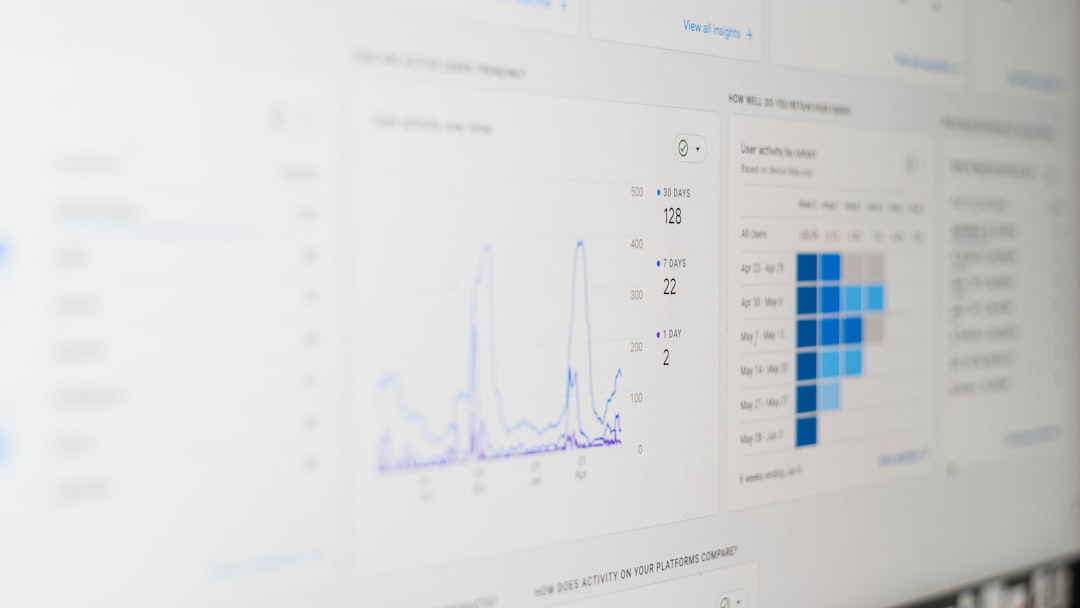
Aim trainers are among the most widely used esports tools, particularly for FPS (first-person shooter) players. These platforms simulate target acquisition and tracking scenarios that build flick accuracy, crosshair placement, and muscle memory.
Key Benefits:
- Customizable drills for tracking, flicking, and target switching
- Real-time accuracy and reaction metrics
- Benchmark scoring systems for progress tracking
- Scenario-based difficulty scaling
Instead of relying solely on in-game practice, which may limit repetition frequency of certain movements, aim trainers isolate and repeatedly challenge specific weaknesses. Over time, this leads to increased neural efficiency and faster motor responses.
Best for: FPS players in titles like Valorant, CS2, Apex Legends, Call of Duty.
2. Reaction Time Testing Platforms
Pure reaction time testing tools measure how quickly a player responds to visual or auditory stimuli. While simple in appearance, these tools help establish a measurable baseline.
Average human reaction time ranges between 200–250 milliseconds. Competitive gamers often train to push below 180 milliseconds.
Why Reaction Tools Matter:
- Identify fatigue-related slowdown
- Track performance under different sleep conditions
- Improve stimulus recognition speed
- Build awareness of consistency patterns
More advanced platforms incorporate variable stimulus locations, forcing players to process spatial elements in addition to timing. This mimics real gameplay better than simple color-change click tests.
3. Cognitive Training Applications
Mechanical ability is only part of competitive success. Decision-making under pressure separates average players from elite performers. Cognitive training tools strengthen mental agility, working memory, and attention control.
Image not found in postmeta
These platforms focus on:
- Multitasking simulation
- Pattern recognition speed
- Peripheral awareness training
- Visual processing acceleration
Scientific studies in cognitive neuroscience suggest that consistent processing-speed exercises can improve response selection efficiency. While not a substitute for game practice, these tools enhance underlying mental performance.
Best for: MOBA players, RTS competitors, and tactical FPS leaders who require split-second strategic decisions.
4. VOD Review and Performance Analytics Software
One of the most underutilized improvement tools among amateur players is performance analytics software. These platforms allow players to record, analyze, and break down gameplay footage.
Core Functions:
- Heat map visualization
- Engagement timing breakdowns
- Accuracy and positioning metrics
- Decision outcome tagging
Professional teams often rely on analytic dashboards to detect patterns such as over-aggressive peeking, inefficient rotations, or poor cooldown management. By reviewing gameplay objectively, players transition from emotional reactions (“I got unlucky”) to data-based conclusions (“My crosshair placement was 15% lower than optimal”).
Analytics platforms reinforce accountability and measurable growth.
5. Hardware Optimization Tools
Performance does not depend solely on the brain and hands. Hardware configuration plays a critical role in competitive outcomes. Tools that optimize mouse DPI, polling rate, monitor refresh rate, and input latency directly impact reaction speed.
Image not found in postmeta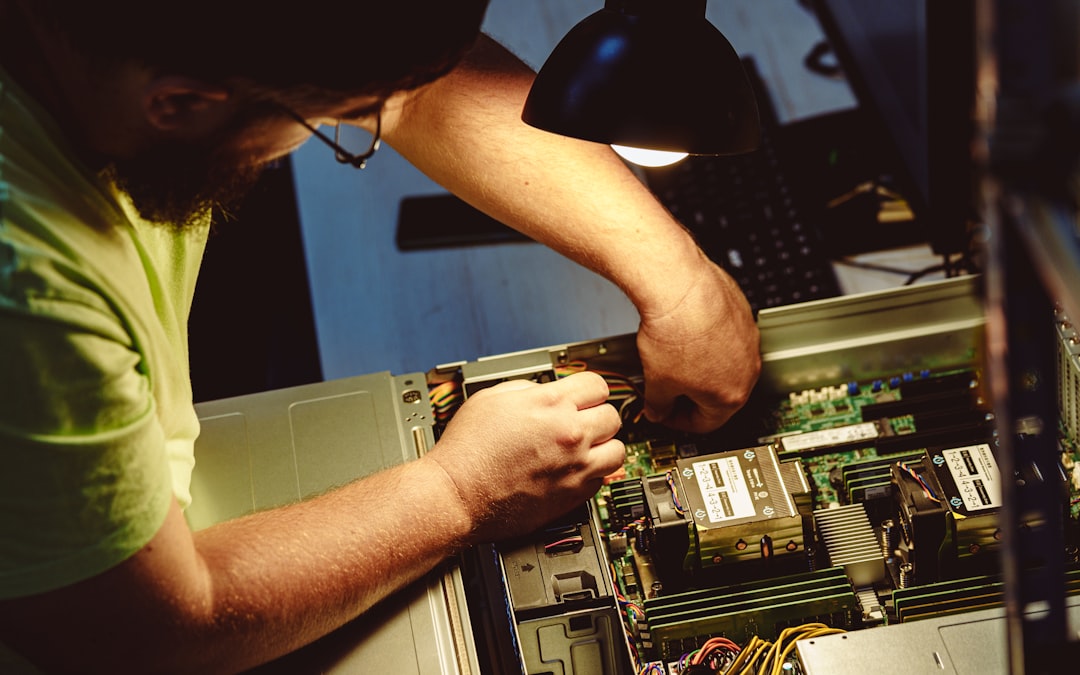
Key Optimization Areas:
- Mouse sensitivity calibration
- Input lag reduction software
- Frame rate stabilization tools
- Network latency monitoring
Even a 10–20 millisecond delay difference can alter competitive performance. Professional players often conduct systematic sensitivity testing to find their ideal balance between precision and speed.
Important: Without consistent hardware settings, skill development becomes inconsistent. Controlled environments accelerate improvement.
6. Physical and Biometric Monitoring Tools
Esports may not require sprinting, but physical condition still influences gameplay. Heart rate variability, stress response, and posture affect decision speed and endurance.
Wearable devices now track:
- Heart rate under competitive stress
- Sleep quality
- Fatigue accumulation
- Stress spikes during clutch moments
By correlating biometric data with performance dips, players can refine schedules, warm-up routines, and recovery strategies. Many professional organizations employ performance coaches who integrate these data sets into training regimens.
Comparison Chart of Popular Esports Training Tools
| Tool Type | Primary Focus | Best For | Skill Measured | Data Tracking |
|---|---|---|---|---|
| Aim Trainers | Precision & Accuracy | FPS Players | Flick Speed, Tracking | Detailed Scenario Scores |
| Reaction Test Platforms | Stimulus Response | All Genres | Reaction Time (ms) | Baseline & Consistency |
| Cognitive Apps | Mental Processing | MOBA / RTS | Decision Speed | Cognitive Performance Graphs |
| Analytics Software | Strategic Review | Competitive Teams | Positioning & Efficiency | Heatmaps & Event Breakdown |
| Hardware Optimization | Latency Reduction | All Competitive Players | Input Delay | System Performance Metrics |
| Biometric Monitoring | Stress & Recovery | Professional Level | Heart Rate & Fatigue | Health & Sleep Reports |
Best Practices for Using Esports Training Tools
Simply using a tool does not guarantee improvement. Professionals adopt structured routines.
Recommended Framework:
- Warm-Up Phase (15–20 minutes)
Aim drills or reaction exercises before ranked matches. - Focused Skill Block (30–45 minutes)
Target one weakness—for example, tracking instead of general play. - Competitive Application (1–3 matches)
Apply improvements in real-game conditions. - Data Review (15 minutes)
Analyze metrics and note performance deviations.
Consistency outweighs intensity. Daily 60-minute structured training sessions are more effective than sporadic long grinds.
The Science Behind Reaction Time Improvement
Reaction improvement stems from neural adaptation and motor learning. Repetition strengthens synaptic pathways responsible for recognizing stimuli and initiating motor response. Over time, signal transmission becomes faster and more efficient.
Key factors influencing improvement:
- Sleep quality (memory consolidation)
- Diet and hydration
- Stress management
- Deliberate practice
Research indicates diminishing returns after excessive repetition in a single session. Scheduled rest periods support long-term cognitive gains.
Common Mistakes Players Make
- Using training tools without measurable goals
- Ignoring gameplay review
- Changing sensitivity settings too frequently
- Overtraining without recovery
- Chasing high scores instead of consistent accuracy
Discipline and process focus outperform random grinding.
The Future of Esports Training
Emerging technologies such as AI-driven coaching systems, VR-based tracking environments, and advanced eye-tracking analysis are rapidly reshaping esports preparation. These tools analyze gaze patterns, identify tunnel vision, and suggest positioning adjustments.
As data collection becomes more sophisticated, players will benefit from personalized development plans similar to elite athletic programs.
Final Thoughts
Esports excellence is no longer dependent solely on talent or time spent playing. Structured training tools provide measurable ways to refine mechanical speed, sharpen decision-making, and enhance endurance. Aim trainers, cognitive apps, analytics platforms, hardware optimizers, and biometric trackers each serve a distinct role in player development.
Gamers who approach improvement methodically—treating practice like professional athletic training—consistently outperform those who rely on instinct alone. In modern competitive gaming, data-driven preparation is not optional; it is essential.