Instagram has evolved from a simple photo-sharing app into a highly competitive platform where strategic planning determines visibility, engagement, and growth. Brands, creators, and businesses that publish consistently relevant content tend to outperform those that post sporadically. This is where a structured content calendar becomes essential, transforming ideas into an organized system that supports long-term performance.
TLDR: A high-performance Instagram content calendar helps brands plan, optimize, and consistently publish engaging posts. It aligns content with goals, audience behavior, and platform features like Reels and Stories. By using data, automation, and creative balance, a posting plan becomes a growth engine. Consistency and flexibility are the keys to sustained success.
A content calendar for Instagram is more than a schedule; it is a strategic framework that guides what to post, when to post, and why it matters. High-performing accounts use calendars to align storytelling, promotions, and community building in a cohesive way. Without a plan, even strong visual content can fail to reach or resonate with its intended audience.
Understanding the Purpose of an Instagram Content Calendar
The primary role of an Instagram content calendar is to bring clarity and direction to content creation. It ensures that posts support broader marketing goals such as brand awareness, lead generation, or sales. A calendar also prevents last-minute scrambling, which often leads to inconsistent quality or missed posting opportunities.
From a performance perspective, a structured calendar allows teams or individual creators to analyze patterns. Posting frequency, formats, and themes can be tested and optimized over time. When content is planned in advance, there is more room for creativity, refinement, and alignment with trends.

Defining Goals Before Planning Content
A high-performance posting plan starts with clearly defined objectives. Instagram content can serve multiple goals, but each post should have a primary purpose. Without goals, it becomes difficult to measure success or improve future performance.
- Brand awareness: Focuses on reach, impressions, and profile visits.
- Engagement: Prioritizes likes, comments, shares, and saves.
- Traffic and conversions: Drives users to links, products, or sign-ups.
- Community building: Encourages conversation, trust, and loyalty.
A well-built content calendar maps these objectives across weeks or months, ensuring a balanced mix rather than repetitive or overly promotional content.
Identifying Content Pillars and Themes
Content pillars are recurring topics or categories that define what an account regularly shares. They act as the backbone of a content calendar and keep messaging consistent. High-performing Instagram accounts typically rely on three to five core pillars.
Examples of common content pillars include:
- Educational: Tips, tutorials, and industry insights.
- Inspirational: Quotes, stories, and user-generated content.
- Behind-the-scenes: Processes, team moments, or daily routines.
- Promotional: Product highlights, launches, and offers.
- Entertainment: Trends, humor, and relatable moments.
By assigning specific pillars to different days or weeks, the calendar maintains variety while reinforcing a recognizable brand identity.
Choosing the Right Instagram Formats
Instagram offers multiple content formats, each with unique advantages. A high-performance content calendar strategically mixes these formats to maximize reach and engagement. Reels often deliver discoverability, while Stories foster daily interaction and feed posts reinforce brand presence.

- Reels: Ideal for trends, quick tips, and reaching new audiences.
- Feed posts: Best for polished visuals, carousels, and evergreen content.
- Stories: Effective for real-time updates, polls, and direct engagement.
- Lives: Valuable for deep connection and long-form interaction.
A content calendar specifies not only what to post but also which format to use, preventing over-reliance on a single type of content.
Timing and Frequency for Maximum Impact
Posting at the right time plays a significant role in performance. Instagram’s algorithm favors early engagement, making timing crucial. A content calendar incorporates audience activity insights to schedule posts when followers are most active.
While there is no universal posting frequency, consistency matters more than volume. Many high-performing accounts find success with:
- 3–5 feed posts per week
- 3–7 Stories per day
- 1–3 Reels per week
These benchmarks can be adjusted based on analytics, resources, and audience behavior, all tracked and refined through the calendar.
Integrating Trends Without Losing Strategy
Trends are a powerful driver of visibility on Instagram, especially through Reels and audio clips. However, chasing every trend can dilute brand messaging. A strong content calendar leaves room for trend-based content while ensuring it aligns with core pillars and goals.
Planned flexibility is key. Many calendars include open slots labeled for trending content, allowing quick responses without disrupting the overall strategy. This balance between structure and spontaneity is a hallmark of high-performance posting plans.
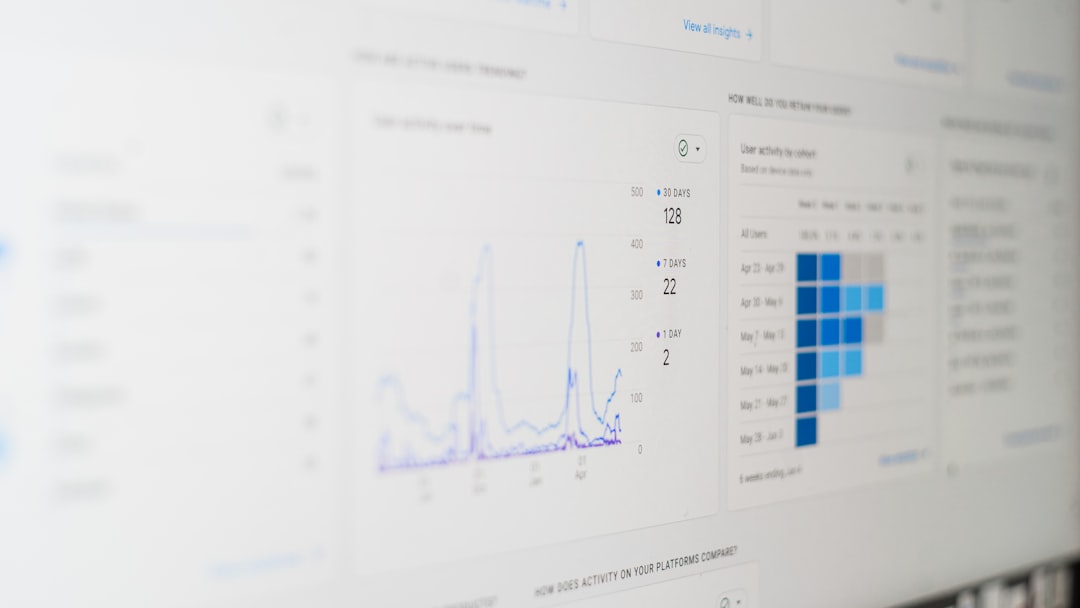
Using Analytics to Refine the Posting Plan
Analytics transform a content calendar from a static plan into a dynamic system. Performance data reveals which posts resonate, which formats perform best, and how the audience responds over time.
Key metrics commonly reviewed include:
- Reach and impressions
- Engagement rate
- Saves and shares
- Follower growth trends
High-performing teams regularly audit their calendars, adjusting content types, timing, and messaging based on these insights. This continuous optimization is what separates average accounts from top performers.
Tools and Workflows for Efficient Calendar Management
Managing an Instagram content calendar becomes easier with the right tools. Platforms like scheduling software, project management boards, or shared spreadsheets help streamline collaboration and execution.
An effective workflow typically includes:
- Idea generation and approval
- Content creation and design
- Caption writing and hashtag selection
- Scheduling and publishing
- Post-performance review
These steps, when clearly documented in the calendar, reduce errors and ensure that every post serves a strategic purpose.
Building Consistency and Long-Term Growth
A content calendar ultimately supports consistency, which is one of the most important factors for Instagram growth. High-performance posting plans recognize that success rarely comes from viral moments alone, but from sustained effort and refinement.
Over time, a well-maintained calendar helps brands develop a recognizable voice, predictable quality, and stronger relationships with their audience. It becomes not just a planning tool, but a long-term growth asset.
Frequently Asked Questions
-
What is an Instagram content calendar?
An Instagram content calendar is a planning document that outlines what content will be posted, when it will be published, and in which format. -
How far in advance should Instagram content be planned?
Many high-performing accounts plan content two to four weeks in advance while leaving space for timely or trending posts. -
Is a content calendar necessary for small creators?
Yes, even small creators benefit from structure, as it improves consistency, saves time, and supports strategic growth. -
How often should an Instagram content calendar be updated?
It should be reviewed weekly and adjusted monthly based on performance data and audience feedback. -
Can trends be included in a pre-planned calendar?
Yes, by leaving flexible slots specifically designed for trends and real-time opportunities.