



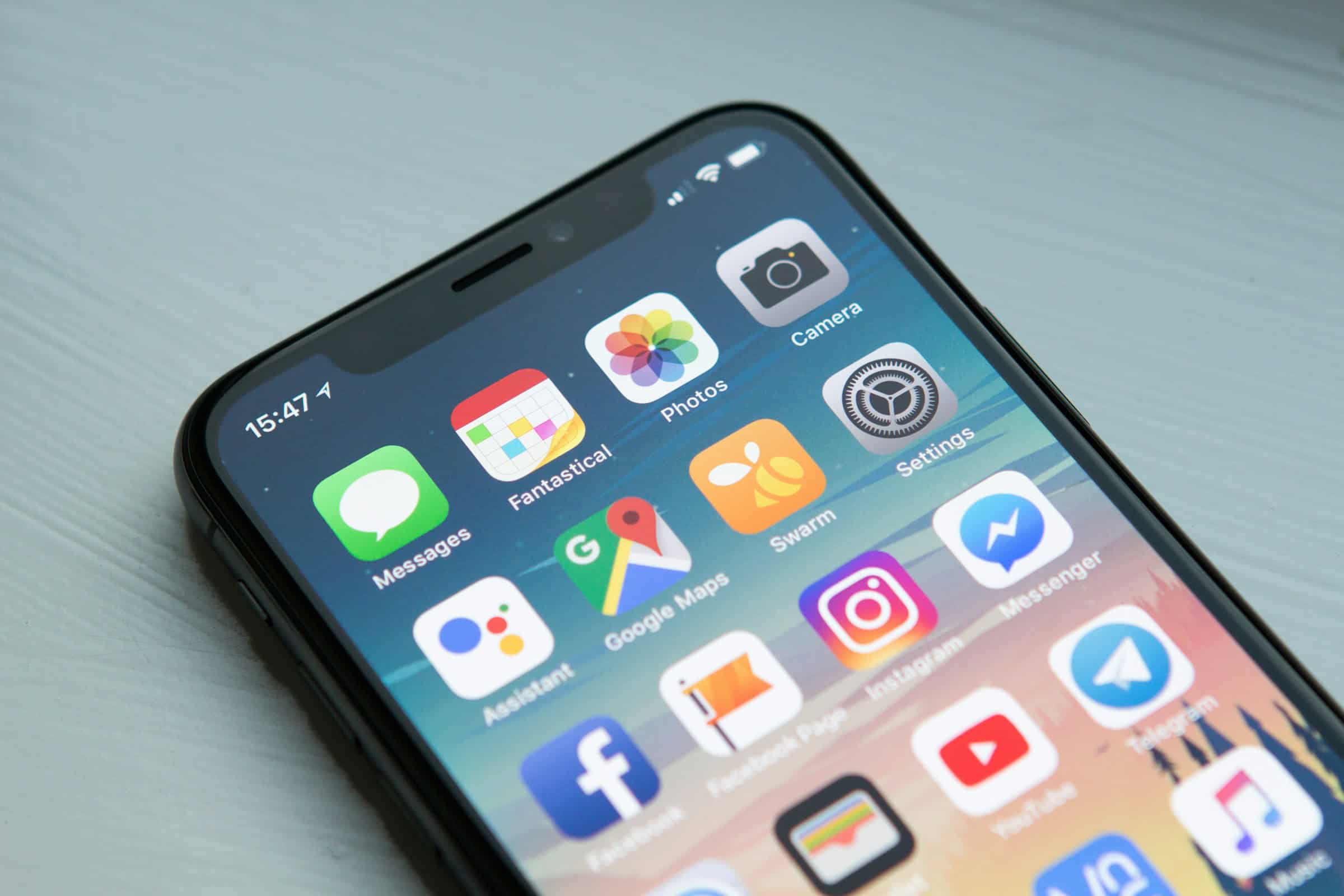
Gaming has always been shaped by technology, from the early days of arcade machines to the rise of home consoles and online platforms. In the past decade, however, mobile apps have become the most significant driving force in shaping how people play.
Apps have put entertainment in our pockets, and we can now play anytime and anywhere, but as apps have grown, so has the debate. Have they improved gaming by making it more accessible, or have they created new problems that were not present before?
The answer isn’t simple. To understand the impact, it helps to look at how apps have changed the gaming landscape, the benefits they offer, and the challenges that come with them, so let’s dive straight in to find out more.


How Mobile Apps Have Transformed Gaming
There is no doubt that mobile apps have revolutionised gaming. A person no longer needs to buy an expensive console or a powerful PC to enjoy quality titles.
Instead, they can download a game directly to their phone and start playing within minutes. This has opened gaming to a wider audience than ever before. Commuters can play during travel, students can enjoy quick rounds between classes, and parents can unwind with a puzzle game at night.
The rise of app stores has also given smaller developers a platform to reach millions of players worldwide, and independent studios that would have struggled to secure a spot on a major console can now publish directly to mobile markets.
This has led to a flood of creativity, with genres like idle games, match-three puzzles, and narrative adventures flourishing on handheld devices.
Apps have also made gaming more social. For example, with in-app chat functions, leaderboards, and cooperative play, mobile platforms allow friends to connect instantly, even if they are thousands of miles apart. Gaming is no longer a solitary activity for millions of players worldwide, but part of a larger online community that fits into everyday life.
Are Real Money Casino Apps on Offer Worth It?
One of the most controversial categories of gaming apps is real money casino platforms. These apps allow players to place bets, spin slots, or play card games for cash prizes directly from their phones.
The convenience is appealing to some, and instead of visiting a physical venue or even a desktop website, players can access entertainment in the palm of their hand.
The question is, are these apps truly worth it? There’s certainly plenty of variety. Almost every major operator has a real money casino app on offer, providing smooth gameplay and multiple payment methods.
The speed of access and wide choice of games can be enticing. However, the risks are just as significant. Playing on mobile makes gambling feel casual, and that ease of access can blur the line between fun and financial strain.
It’s here that personal responsibility and awareness are critical. Casino apps can be a convenient way to enjoy games responsibly for seasoned players, but for others, the very simplicity that makes them attractive can also make them dangerous if they play irresponsibly.
The Drawbacks of an App-First Gaming Market
While apps have opened doors, they have also created challenges. One major issue is the emphasis on microtransactions. Many mobile games are free to download but rely on in-app purchases to generate revenue.
This model often leads to games that prioritise profit over player experience, with progress locked behind paywalls or designed to encourage frequent spending.
Another drawback is the decline of ownership. With console and PC games, players traditionally bought a title outright and could return to it years later.
With apps, updates and business decisions, developers can remove features, alter gameplay, or even erase a game from the store entirely. What once felt like a permanent purchase now feels temporary.
There are also concerns about quality. The accessibility of app development has encouraged innovation, but it has also led to an oversaturated market where low-quality or copycat games flood app stores. This makes it harder for players to discover the best titles and harder for talented developers to stand out.
Why Regulation Matters in App-Based Play
As apps increasingly blur the line between gaming and gambling, regulation becomes vital. Governments and industry bodies are paying close attention to how apps handle microtransactions, loot boxes, and real money gambling features.
In many regions, regulators are stepping in to ensure that young players are not exposed to inappropriate content or pressured into spending money without oversight.
When it comes to casino apps, regulation ensures fairness. Licensed operators are required to use secure payment systems, transparent odds, and responsible gaming measures, and without these rules, players could be at risk of exploitation by unregulated platforms.
Parental controls and age verification tools are also key parts of regulation. With so many young players accessing games on mobile devices, protecting vulnerable audiences is essential. So the balance lies in encouraging creativity and innovation while also safeguarding consumers from predatory practices.

What the Next Wave of Gaming Apps Could Bring
Despite the drawbacks, the future of gaming apps looks set to be just as transformative as their past. Advances in augmented reality and virtual reality are likely to expand what mobile gaming can deliver.
Titles like Pokémon Go have already shown how AR can merge digital play with the physical world, and more developers are experimenting with immersive experiences.
Cross-platform integration is another area of growth, where players increasingly expect to start a game on their console or PC and continue seamlessly on their phone. Cloud gaming services are making this possible, with apps acting as gateways to high-quality games that were once limited to powerful machines.
In the casino sector, mobile platforms are expected to become even more sophisticated, offering live dealer experiences, faster payment methods, and greater interactivity. At the same time, regulators and developers will need to find ways to ensure that ease of access does not compromise responsible gaming.
Final thoughts
Back to the original question, have apps changed gaming for the worse? The answer depends on perspective. Apps have created unprecedented access, diversity, and convenience for millions of players worldwide.
They have given small developers a chance to shine and have made gaming more social and inclusive. However, they have also introduced new problems, from aggressive monetisation to the risks of casual gambling.
Like any technological shift, the app era of gaming is a mix of opportunities and challenges. The key lies in balance – enjoying the freedom and creativity apps provide while being mindful of their drawbacks.
With innovation continuing at a rapid pace, the next generation of apps could either solve today’s concerns or create entirely new ones. What is certain is that apps have permanently reshaped gaming, and there is no turning back.