



In today’s rapidly evolving educational landscape, a new model has emerged that challenges traditional learning paradigms. Nova Scola is not just another school or e-learning platform—it is a visionary concept aiming to redefine how education is delivered, experienced, and understood globally. Whether you’re an educator, a policymaker, or simply a curious parent, understanding what Nova Scola represents is crucial to grasping the future of learning.
TL;DR – Too Long, Didn’t Read
Nova Scola is a transformative educational model that merges pedagogy, technology, and global citizenship into an adaptable and inclusive system. Unlike traditional schools, it fosters learner independence, customization, and lifelong skills over rote memorization. It draws on interdisciplinary teaching, real-world problem solving, and digital ecosystems to empower students. In essence, Nova Scola is the blueprint for the next generation of education systems—a more equitable, flexible, and purposeful approach to learning.
What Does “Nova Scola” Mean?
The term Nova Scola is Latin for “New School.” While its roots are classical, the philosophy is profoundly modern. Nova Scola implies a break from outdated conventions and an embrace of dynamic learning practices that better suit the 21st-century context. It encompasses both a philosophical shift and a methodological transformation in the way education is conceptualized and executed.
The Core Principles Behind Nova Scola
Rather than operating within the rigid structures of conventional educational systems, Nova Scola is guided by several foundational principles:
- Learner-Centric Design: Students are viewed as active participants in their learning journey. Their interests, skills, and experiences shape the curriculum rather than the other way around.
- Interdisciplinary Learning: Subjects are integrated to reflect the interconnected nature of knowledge in the real world. For example, a project might simultaneously incorporate history, science, and ethical reasoning.
- Adaptive Technology: Learning platforms and tools personalize the educational experience, analyzing students’ strengths and weaknesses to suggest next steps.
- Global Citizenship: Nova Scola emphasizes empathy, collaboration, and cultural awareness. Education becomes preparation for meaningful participation in an interconnected world.
- Project-Based Approach: Real-world problem-solving takes precedence. Rather than learning for tests, students learn to create, innovate, and adapt.
How Does Nova Scola Differ from Traditional Education?
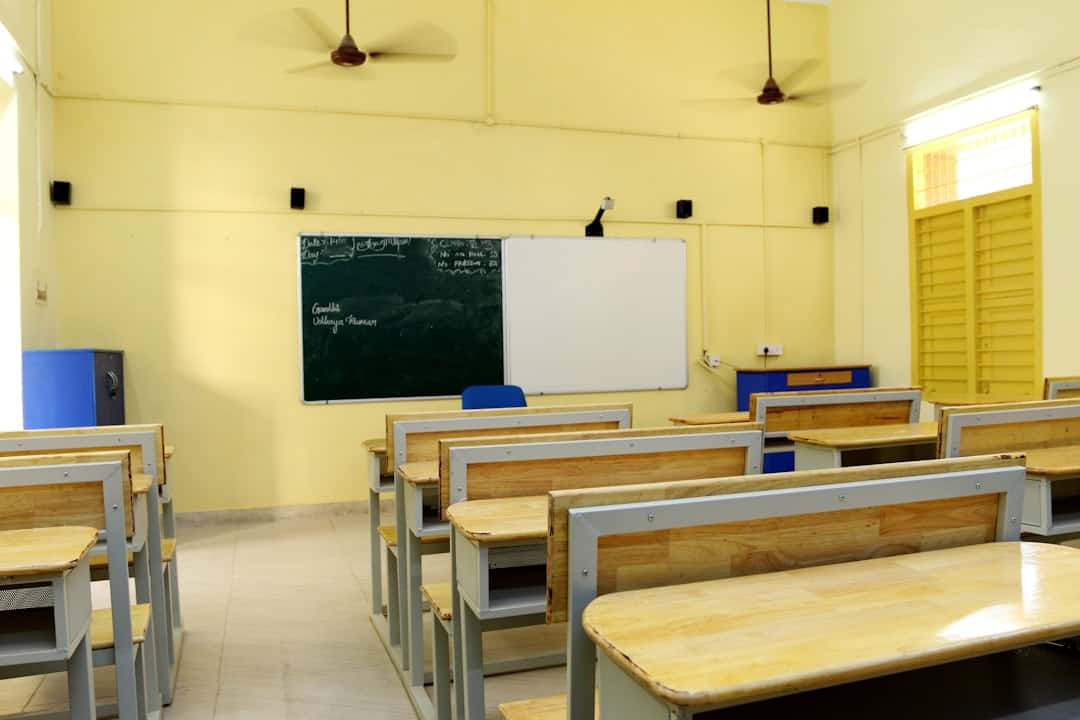
In contrast to conventional schools which often follow a “one size fits all” methodology, Nova Scola is highly personalized. Here are some key differences:
| Traditional School | Nova Scola |
|---|---|
| Standardized curriculum | Custom-tailored learning paths |
| Teacher-led instruction | Learner-driven exploration |
| Separate subject silos | Integrated interdisciplinary projects |
| Emphasis on exams | Focus on mastery and real-world application |
| Fixed schedules and spaces | Flexible, hybrid, or digital environments |
Components of a Nova Scola System
Creating a Nova Scola environment doesn’t require a complete abandonment of existing infrastructure. Instead, it encourages a redesign based on essential transformative elements:
- Digital Learning Framework: Platforms that adapt based on a student’s pace, performance, and interest area.
- Mentorship and Coaching: Teachers act more like facilitators and mentors rather than one-way knowledge providers.
- Collaborative Ecosystems: Students work with peers locally and globally, encouraging diverse perspectives and teamwork.
- Community Integration: Partnerships with local businesses, nonprofits, and organizations make learning rooted in real-life issues.


The Purpose and Promise of Nova Scola
At its heart, Nova Scola aims to prepare students for lives not just of career success, but of community contribution and personal fulfillment. This dual focus distinguishes it from purely vocational educational models. The concept also promotes:
- Lifelong Learning: Rather than ending at graduation, education is seen as a continuous journey.
- Critical Thinking: Students analyze, question, and evaluate information in a world saturated with data.
- Digital Literacy: Technology is not only a tool but a domain of fluency essential to future success.
- Ethical Engagement: Learners are challenged to consider the ethical dimensions of decisions in a complex world.
Where Has Nova Scola Been Implemented?
Nova Scola is not limited to a single country or education system—it is more a framework than a fenced-in method. Examples of implementations include:
- Scandinavia: Several schools in Finland and Sweden use flexible, interdisciplinary models that closely resemble Nova Scola in practice.
- South America: Emerging educational nonprofits in Brazil and Colombia are exploring community-centric, tech-integrated learning.
- United States: Charter and private schools are experimenting with competency-based progression and hybrid learning environments in line with Nova Scola principles.
While these programs may not brand themselves as “Nova Scola,” they reflect similar ideologies, proving that the concept is adaptable across cultures and governance models.
Challenges and Criticisms
Despite its promise, Nova Scola faces several challenges that stakeholders must address:
- Equity of Access: High-tech adaptive systems can widen inequality if they’re inaccessible to underserved populations.
- Teacher Training: Educators require significant re-skilling to adopt facilitation and mentorship roles effectively.
- Assessment Standards: Traditional exams don’t measure the competencies Nova Scola emphasizes, creating tension in high-stakes environments.
- Cultural Resistance: In regions where education is entrenched in hierarchy and tradition, introducing a student-driven system can face backlash.

How to Get Involved with the Nova Scola Movement
Whether you are a parent, teacher, developer, or policymaker, there are various ways to connect with or support the Nova Scola concept:
- Educators: Begin by integrating small-scale project options, allowing students more choice and voice in the classroom.
- Parents: Advocate for educational alternatives in your local school district or support programs embracing Nova Scola ideas.
- EdTech Developers: Create platforms focused on personalization, feedback, and holistic learning pathways.
- Policymakers: Prioritize educational reforms that promote adaptability, equity, and student-centered metrics.
Conclusion: A Paradigm Shift Worth Watching
Nova Scola represents more than just a conceptual framework—it is a call to action. It challenges us to reimagine who education is for, what it should achieve, and how it should be delivered. Its emphasis on human agency, digital fluency, real-world relevance, and global consciousness speaks directly to the needs of today’s learners and tomorrow’s challenges.
In a world of accelerating change, the old model of education no longer suffices. Nova Scola offers a hopeful, holistic alternative—one that seeks not only to inform but to inspire, not merely to instruct, but to transform.