



CHAS6D may sound like the name of a tiny robot from a sci-fi movie. But it is easier to understand than it looks. In simple terms, CHAS6D is a compact system or platform name often linked with six dimensional control, sensing, modeling, or chassis based design. It is used as a flexible term for technology that works with movement, space, position, and smart control.
TLDR: CHAS6D refers to a system built around six dimensional awareness or control. It can be used in robotics, automation, simulation, smart devices, and technical design. Its main value is that it helps a machine or model understand movement, position, direction, and response. Think of it as a smart “brain and body” idea for systems that need to move or track things in space.
What Does CHAS6D Mean?
The name CHAS6D can be broken into two simple parts.
- CHAS often points to a chassis, control hub, hardware assembly, or system base.
- 6D means six dimensions, or six degrees of movement and measurement.
That may still sound a bit fancy. So let’s make it simple.
Imagine a drone flying in a room. It can move forward. It can move backward. It can move left. It can move right. It can move up. It can move down. It can also tilt, turn, and rotate. A system like CHAS6D helps track or control that kind of motion.
In many technical settings, 6D means the system can understand both position and orientation. Position tells us where something is. Orientation tells us which way it is facing.
That is why CHAS6D is useful. It is not just asking, “Where is the object?” It is also asking, “How is the object angled?”

A Simple Example
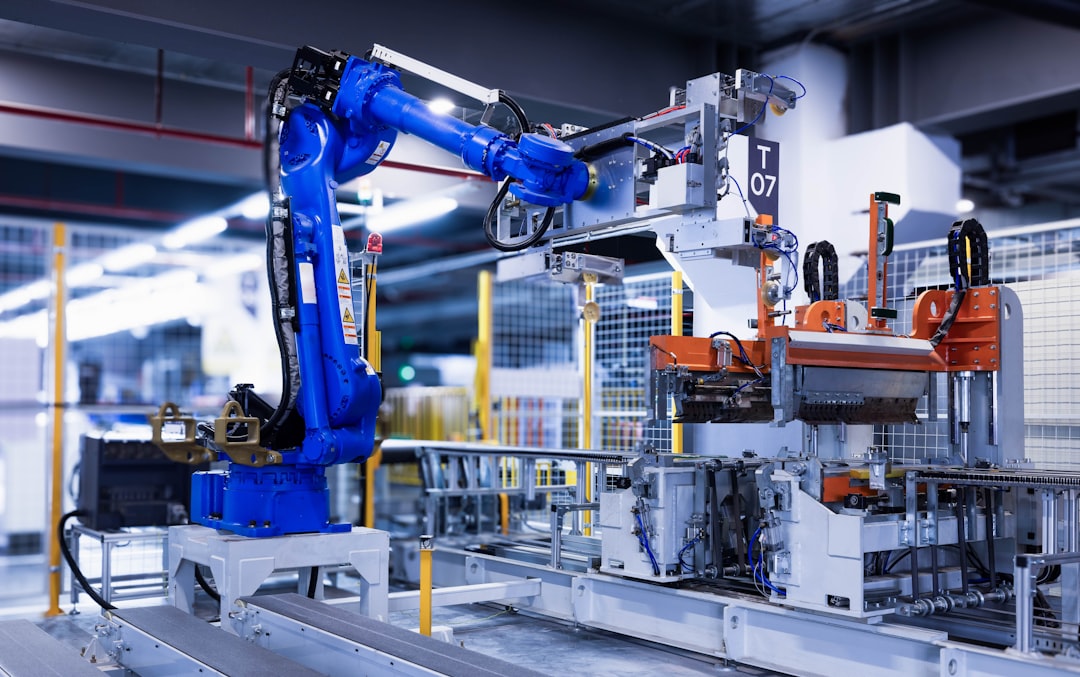
Let’s say you are using a robotic arm. The arm needs to pick up a small box. It must know where the box is on the table. But that is not enough.
The arm also needs to know if the box is straight, tilted, upside down, or turned sideways. If the arm grabs it the wrong way, the box may fall. Or the robot may miss it completely.
A CHAS6D style system helps solve this. It gives the machine a better sense of space. It helps the robot move with more care. It helps the robot make smarter choices.
Main Features of CHAS6D
CHAS6D is usually described through its features. These features can vary by product, project, or use case. But the core ideas are often similar.
1. Six Dimensional Awareness
This is the star of the show. Six dimensional awareness means the system can work with six important values.
- Movement along the X axis
- Movement along the Y axis
- Movement along the Z axis
- Rotation around the X axis
- Rotation around the Y axis
- Rotation around the Z axis
That sounds like math class. But do not panic. It just means the system understands location and direction in 3D space.
2. Smart Control
A CHAS6D system can support smart control. This means it does not only collect data. It can also help make decisions.
For example, a robot may slow down when it gets close to an object. A camera system may adjust its view. A simulator may update movement in real time.
Smart control makes machines feel less clumsy. It helps them act with smoother timing.
3. Sensor Support
Many CHAS6D systems are connected to sensors. These may include motion sensors, gyroscopes, accelerometers, cameras, depth sensors, or magnetic sensors.
Each sensor adds a piece of the puzzle. One sensor may measure speed. Another may measure angle. Another may detect distance. Together, they create a fuller picture.
4. Real Time Feedback
Real time feedback is very important. It means the system reacts right away.
Think about driving a car. If you turn the wheel, you expect the car to respond now. Not five seconds later. In the same way, CHAS6D systems are often built to process movement data quickly.
This helps with robots, drones, medical devices, games, simulations, and industrial machines.
5. Compact Design
The “CHAS” part of CHAS6D may refer to a chassis or base structure. A good chassis is stable. It is organized. It holds parts together.
A compact CHAS6D design may include sensors, processors, connectors, mounting points, and control boards in one neat layout.
That makes setup easier. It also makes the system more reliable.


Common Specifications
The exact specifications of CHAS6D depend on the maker and the application. Still, most CHAS6D style systems share a few common specification areas.
Motion Range
The system may support full 3D movement. It may track forward and backward motion. It may track side to side motion. It may track vertical motion. It may also track pitch, roll, and yaw.
Pitch means tilting up and down. Roll means leaning side to side. Yaw means turning left or right.
Accuracy
Accuracy tells us how close the system is to the true position or angle. High accuracy is useful when small mistakes matter.
For example, a factory robot may need to place a part in the exact right spot. A medical tool may need very careful control. In these cases, accuracy is a big deal.
Latency
Latency means delay. Lower latency is better. If the system sees movement, it should respond fast.
Low latency is very useful in virtual reality, robotics, and remote control systems. Nobody wants a robot that reacts like it just woke up from a nap.
Connectivity
A CHAS6D platform may support several connection types. These can include USB, serial communication, wireless links, Ethernet, Bluetooth, or custom ports.
Good connectivity makes the system easier to add to other hardware. It also helps software read the data.
Power Requirements
Power needs can vary. A small CHAS6D module may use low voltage power. A larger platform may need a stronger supply.
Battery support may also matter. Drones, mobile robots, and portable tools often need low power use.
Software Support
Software is the friendly translator between the hardware and the user. A CHAS6D system may include drivers, software libraries, calibration tools, or an interface dashboard.
Good software makes a huge difference. It can turn a confusing box of numbers into clear movement data.
Where Is CHAS6D Used?
CHAS6D can fit many fields. It is not locked into one job. That is part of its charm.
Robotics
Robots need to understand space. They need to move without bumping into everything. CHAS6D can help with navigation, object handling, arm control, and body balance.
Drones
Drones are flying motion machines. They need balance, direction, and fast corrections. Six dimensional tracking is very helpful here.
Virtual Reality
VR systems need to track head and hand movement. If you turn your head, the virtual world should move with you. CHAS6D style tracking can support this kind of experience.
Industrial Automation
Factories use machines that repeat tasks. But modern factories also need flexibility. CHAS6D can support inspection, positioning, assembly, and smart machine control.
Simulation and Training
Pilots, drivers, doctors, and machine operators may train in simulators. These simulators often need realistic motion. CHAS6D can help connect real movement to digital feedback.


Why Is CHAS6D Important?
CHAS6D matters because the world is not flat. Machines must deal with real space. Real space is messy. Objects rotate. People move. Surfaces tilt. Things shift.
A simple sensor may only answer one question. A CHAS6D style system answers many questions at once.
It can help a device know:
- Where it is
- Where it is going
- How fast it is moving
- Which way it is facing
- How much it is rotating
- How it should respond next
That makes machines safer. It makes them more useful. It also makes them feel smarter.
Benefits of CHAS6D
There are many reasons a team may choose a CHAS6D system.
- Better motion control: Movements can be smoother and more natural.
- Improved accuracy: The system can track position and angle together.
- Faster response: Real time data helps reduce delay.
- More flexibility: It can work in many industries.
- Cleaner design: A compact chassis or module can simplify builds.
- Safer operation: Better awareness can help avoid errors and collisions.
Possible Limitations
No technology is magic. CHAS6D can be powerful, but it may also have limits.
It may need calibration. That means the system must be adjusted before use. It may also need clean data from sensors. If the sensors are noisy, the results may be less reliable.
Some systems may be complex to set up. Others may need special software skills. Cost can also vary a lot.
So the best choice depends on the project. A hobby robot may need only a basic version. A medical robot may need an advanced and certified system.
How to Choose a CHAS6D System
Before choosing CHAS6D hardware or software, ask a few simple questions.
- What do I need to track?
- How accurate must it be?
- How fast must it respond?
- Will it run on battery power?
- What software will I use?
- Does it need to work indoors, outdoors, or both?
- How much space is available for mounting?
These questions can save time. They can also prevent expensive mistakes.
CHAS6D in Simple Words
If you remember only one thing, remember this:
CHAS6D helps systems understand movement in 3D space.
It combines position, direction, control, and feedback. It may live inside a robot. It may support a drone. It may power a simulator. It may help a machine move with more confidence.
It is like giving technology a better sense of balance. Not quite superhero balance. But close enough to feel exciting.
Final Overview
CHAS6D is a useful concept for modern motion based systems. It brings together six dimensional tracking, smart control, sensor input, and real time response. It can support many fields, from robotics to virtual reality.
The details may change from one CHAS6D product or project to another. But the main idea stays the same. It helps machines know where they are, how they are moving, and what they should do next.
That is the fun part. CHAS6D turns movement into information. Then it turns information into action. And when that works well, machines become smoother, smarter, and a lot less awkward.