


In today’s digital-first world, websites serve not only as storefronts and information hubs but also as essential gateways for participation in society and daily life. As more people rely on the web for education, employment, commerce, healthcare, and social interaction, the need for inclusive and accessible web experiences has never been greater. This is where web accessibility services come into play — offerings that help organizations design, audit, and maintain websites so that users of all abilities can navigate them seamlessly.
TL;DR
Web accessibility services ensure that your website can be used by people with visual, hearing, cognitive, or motor impairments. These services help make your digital content compliant with legal standards like the Americans with Disabilities Act (ADA) and the Web Content Accessibility Guidelines (WCAG). Benefits go beyond compliance, including broader audience reach and better SEO. Investing in accessibility is both a legal safeguard and a commitment to inclusivity.
What Is Web Accessibility?
Web accessibility refers to designing and developing websites, tools, and technologies so that people with disabilities can use them. This includes the ability to:
- Perceive content (e.g., screen readers for the visually impaired)
- Navigate effectively (e.g., keyboard navigation for users without a mouse)
- Understand all interface elements (e.g., readable fonts, clear headings)
- Interact with the website without barriers
Disabilities that impact web use include visual impairments, hearing loss, motor challenges, and cognitive limitations. An accessible website removes barriers, enabling all users to have equitable access to information and functionalities.
Why Does Accessibility Matter?
Besides being a moral and ethical responsibility, there are concrete reasons why organizations are embracing web accessibility:
- Legal Compliance: Not meeting accessibility guidelines can result in lawsuits or penalties in regions governed by laws like the ADA, Section 508 (U.S.), or the EN 301 549 (EU).
- Wider Reach: Roughly 15% of the global population lives with some form of disability. Accessibility helps you reach a larger audience.
- SEO Benefits: Search engines favor accessible websites due to better structure and metadata usage.
- Enhanced User Experience: Most accessibility improvements — like faster load times and intuitive design — benefit all users.
Core Services Offered by Web Accessibility Providers
Web accessibility services can be broadly categorized into several key offerings. These services are typically provided by specialized firms, consultants, or even internal IT and UX teams trained in accessibility.
1. Accessibility Audits
An accessibility audit is a comprehensive review of your website using both automated tools and manual testing. This helps identify areas where your website fails to comply with established guidelines such as WCAG 2.1 or Section 508.

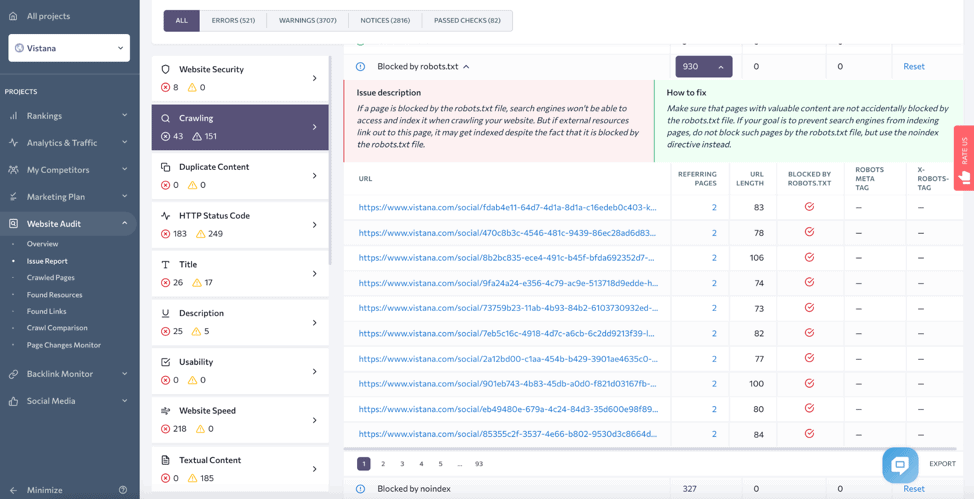
Audits usually include:
- Detailed reports outlining violations or issues
- Severity rating of each issue
- Recommendations for fixes
2. Remediation Services
Once problem areas are identified, accessibility remediation services help fix these issues. This might involve editing your site’s underlying code, redesigning user flows, or making content more digestible.
Some common remediation tasks include:
- Adding alternative (alt) text to images
- Assigning proper heading structure (H1, H2, etc.)
- Ensuring form fields have labels
- Fixing color contrast issues
3. Ongoing Monitoring and Support
Accessibility isn’t a one-time fix—it’s an ongoing process. Many providers offer monthly or quarterly monitoring to ensure new content and features remain accessible over time. This also helps maintain legal compliance.
4. Accessibility Training
Many accessibility services include staff training to educate teams on best practices and legal standards. These typically target:
- Web developers and designers
- Content creators and marketers
- Product managers and stakeholders
Training sessions might involve real-world simulations, examples of do’s and don’ts, and hands-on remediation exercises.
5. Assistive Technology Testing
Testing with users who rely on assistive technologies like screen readers, braille displays, or voice navigation tools is vital. Real user testing uncovers pain points that automated tools might miss.


This gives organizations a deeper understanding of how disabled users actually experience their websites.
Standards and Guidelines to Know
Several globally recognized standards are used to benchmark web accessibility. Here are the most important:
- WCAG (Web Content Accessibility Guidelines): A set of rules developed by the World Wide Web Consortium (W3C) to ensure web content is accessible to everyone. WCAG 2.1 is the most commonly enforced version.
- ADA (Americans with Disabilities Act): While not originally written for websites, U.S. courts have ruled that companies must ensure digital accessibility under ADA compliance.
- Section 508: A federal U.S. law mandating that government agencies and contractors make their ICT (including websites) accessible.
Tools and Plugins for Accessibility
While professional services offer the most comprehensive solutions, you can use a variety of tools to assist in the process:
- WAVE: A browser extension that visually flags accessibility issues.
- Lighthouse: Google’s Chrome tool provides page-by-page accessibility scores.
- NVDA and JAWS: Popular screen readers used for testing how your content sounds and functions for visually impaired users.
- axe DevTools: A development and testing toolkit from Deque Systems for automated checks.
Cost and ROI of Accessibility Services
Pricing varies widely depending on the complexity of your site and the scope of services. Basic audits may start around a few hundred dollars, while enterprise-level remediation can cost tens of thousands. However, the ROI is significant:
- Reduced risk of legal action
- Improved brand reputation
- Increased traffic and user engagement
- Better overall site performance
How to Get Started
If you’re considering investing in web accessibility, here are a few steps to help you begin the journey:
- Conduct a Preliminary Audit: Use free tools to get a general idea of problem areas.
- Hire an Accessibility Expert: A consultant or agency can provide a thorough evaluation.
- Create a Remediation Roadmap: Prioritize fixes based on severity and user impact.
- Establish Governance: Ensure new content follows accessibility guidelines.
- Train Your Team: Empower internal teams through education and knowledge sharing.
Conclusion
Ensuring that your website is accessible isn’t just a legal necessity — it’s a step toward a more inclusive digital ecosystem. Web accessibility services help bridge the gap between usability and compliance, ensuring that no user is left behind. By integrating accessibility into your digital strategy, you’re not only doing the right thing — you’re also boosting your brand’s reach, usability, and integrity.
FAQs
- What is WCAG?
WCAG stands for Web Content Accessibility Guidelines. These provide a detailed roadmap for making web content more accessible to people with various disabilities. - Is web accessibility legally required?
In many countries, yes. In the U.S., laws like ADA and Section 508 mandate digital accessibility. Failure to comply can lead to lawsuits. - Are automated tools enough to ensure accessibility?
No. While helpful, automated tools can only detect around 30–40% of accessibility issues. Manual testing and expert audits are essential. - How often should I audit my website for accessibility?
At least once a year, or whenever significant updates are made. Many organizations opt for quarterly or ongoing monitoring. - Can accessibility help with SEO?
Absolutely. Accessible websites tend to be more structured, faster-loading, and easier to crawl