


As machine learning moves from experimentation to real-world application, organizations are increasingly focused on reliable ways to serve models in production. Training a model is only half the battle; deploying, scaling, monitoring, and managing it in a live environment requires specialized infrastructure. Platforms like Seldon have helped standardize this process, but they are far from the only options available.
TLDR: Deploying AI models in production requires platforms that handle scalability, monitoring, versioning, and integrations. While Seldon remains a popular choice, alternatives such as Kubeflow, BentoML, MLflow, and TorchServe offer powerful deployment capabilities for different use cases. Each platform brings strengths in containerization, Kubernetes integration, model management, and performance optimization. Choosing the right one depends on your existing infrastructure, team expertise, and production requirements.
In this article, four leading AI model deployment platforms similar to Seldon are explored in depth, along with a side-by-side comparison to help organizations choose the right solution.
1. Kubeflow
Kubeflow is an open-source machine learning platform designed to run on Kubernetes. While it is often recognized for orchestrating ML workflows and pipelines, Kubeflow also includes powerful serving capabilities through KServe (formerly KFServing).


Key Features
- Native Kubernetes integration for container orchestration
- KServe for serverless inference
- Support for TensorFlow, PyTorch, XGBoost, and custom models
- Autoscaling based on traffic demand
- Canary rollouts and A/B testing support
Why It’s Similar to Seldon
Both Kubeflow and Seldon emphasize Kubernetes-native deployments and scalable inference. They support model versioning, advanced routing strategies, and production-grade observability. Kubeflow stands out for teams already deeply invested in Kubernetes-based ML workflows.
Best For
Organizations with strong DevOps and Kubernetes expertise that want an end-to-end ML platform—not just model serving.
2. BentoML
BentoML focuses on simplifying the packaging and serving of machine learning models. It provides developers with tools to turn models into standardized APIs that can be deployed anywhere—from local servers to Kubernetes clusters.
Key Features
- Easy packaging of models into production-ready “Bentos”
- Support for major ML frameworks
- REST and gRPC endpoint generation
- Docker container support
- Built-in model versioning

Why It’s Similar to Seldon
Like Seldon, BentoML transforms trained models into scalable inference services. However, it places stronger emphasis on developer simplicity and portability. Instead of requiring complex Kubernetes knowledge upfront, BentoML allows teams to start locally and scale gradually.
Best For
Startups and mid-sized teams seeking a lightweight yet production-ready deployment solution without heavy Kubernetes configuration.
3. MLflow (Model Serving Component)
MLflow is widely known for experiment tracking, but it also includes powerful model packaging and serving capabilities. Its model registry and deployment modules enable seamless transition from experimentation to production.
Key Features
- Model Registry for version control and lifecycle management
- REST-based serving
- Deployment to local servers, Docker, or cloud platforms
- Integration with AWS SageMaker, Azure ML, and GCP
- Broad framework compatibility
Why It’s Similar to Seldon
Both MLflow and Seldon aim to operationalize machine learning. While Seldon leans more heavily toward advanced Kubernetes-native deployment patterns, MLflow excels in experiment tracking and model governance alongside serving capabilities.
Best For
Data science teams that prioritize experiment tracking, reproducibility, and gradual progression into production deployment.
4. TorchServe
TorchServe is a flexible model serving framework specifically designed for PyTorch models. Created by AWS and Facebook, it provides high-performance inference optimized for deep learning workloads.

Key Features
- Optimized for PyTorch models
- Batch inference support
- Multi-model serving
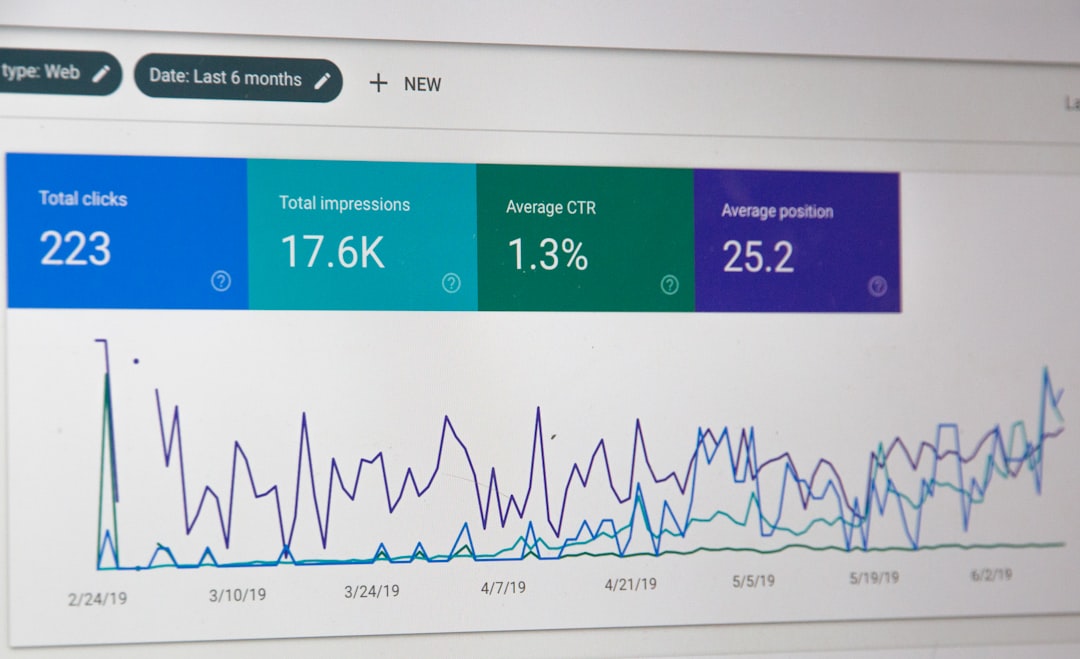
- Monitoring with metrics endpoints
- GPU acceleration support
Why It’s Similar to Seldon
Both tools support scalable model serving with production-grade monitoring. However, TorchServe focuses exclusively on PyTorch ecosystems, making it an excellent fit for teams deeply invested in that framework.
Best For
Companies deploying high-performance PyTorch models that require GPU optimization and efficient deep learning inference pipelines.
Comparison Chart
| Platform | Kubernetes Native | Multi-Framework Support | Autoscaling | Best Use Case |
|---|---|---|---|---|
| Kubeflow | Yes | Yes | Yes | Enterprise ML ops on Kubernetes |
| BentoML | Optional | Yes | Yes (via deployment target) | Developer-friendly deployments |
| MLflow | Optional | Yes | Limited (platform dependent) | Experiment tracking + deployment |
| TorchServe | No (can integrate) | Primarily PyTorch | Yes | High-performance PyTorch serving |
Key Considerations When Choosing a Deployment Platform
While feature comparison is helpful, selecting the right deployment platform requires deeper evaluation.
1. Infrastructure Compatibility
Organizations already using Kubernetes may benefit more from Kubeflow. Those with lightweight infrastructure could find BentoML sufficient.
2. Model Complexity
Deep learning workloads that rely heavily on GPUs may require TorchServe for optimized inference.
3. Governance and Compliance
If tracking experiments, managing versions, and auditing model lineage are top priorities, MLflow provides a strong governance framework.
4. Team Skillset
DevOps maturity plays a critical role. Kubernetes-heavy platforms offer more scalability but demand greater expertise.
Frequently Asked Questions (FAQ)
1. What makes Seldon popular for model deployment?
Seldon is highly regarded for its Kubernetes-native architecture, advanced deployment strategies such as A/B testing and canary releases, and robust monitoring capabilities.
2. Is Kubernetes required for deploying AI models in production?
No, Kubernetes is not strictly required. Tools like BentoML and MLflow allow model serving without complex orchestration systems. However, Kubernetes provides scalability and resilience for large-scale deployments.
3. Which platform is best for startups?
BentoML is often ideal for startups because it simplifies model packaging and deployment without demanding extensive infrastructure management.
4. Can these platforms handle real-time and batch inference?
Yes. Kubeflow, BentoML, and TorchServe support real-time inference, while TorchServe and other platforms often include batch processing capabilities as well.
5. How important is monitoring in model deployment?
Monitoring is critical. Without tracking performance metrics, latency, drift, and prediction accuracy, deployed models may degrade over time without detection.
6. Can multiple models be deployed simultaneously?
Yes. Most modern deployment platforms, including Kubeflow, BentoML, and TorchServe, support multi-model serving and version control.
As AI adoption accelerates, production-grade model serving has become a strategic priority. While Seldon remains a powerful option, Kubeflow, BentoML, MLflow, and TorchServe offer compelling alternatives tailored to different organizational needs. By carefully evaluating infrastructure, team expertise, and scalability requirements, companies can select a deployment platform that transforms machine learning models from experimental artifacts into reliable, production-ready systems.