


Choosing the right managed WordPress hosting provider is one of the most important decisions a blogger can make. Your host affects your site’s speed, security, uptime, search engine visibility, and ultimately your readers’ experience. With dozens of providers promising premium features and optimized performance, it can be difficult to separate marketing claims from genuine value. This guide presents ten of the most reliable managed WordPress hosting options specifically suited for bloggers who value stability, scalability, and professional support.
TLDR: Managed WordPress hosting removes technical complexity so bloggers can focus on content. The best providers deliver fast load times, strong security, reliable backups, and responsive support. Top options include WP Engine, Kinsta, SiteGround, Flywheel, Bluehost Managed WordPress, and others. Your ideal choice depends on your blog’s size, budget, and growth plans.
What Makes Managed WordPress Hosting Different?
Unlike basic shared hosting, managed WordPress hosting is specifically optimized for WordPress sites. Providers typically include:
- Automatic WordPress updates
- Daily backups
- Advanced security monitoring
- Performance optimization and caching
- Expert WordPress support teams
For bloggers, this means fewer technical distractions and more time to focus on publishing consistent, high-quality content.


Top 10 Managed WordPress Hosting Providers
1. WP Engine
Best for: Professional bloggers and high-traffic websites
WP Engine is widely recognized as one of the pioneers in managed WordPress hosting. It offers enterprise-level performance, premium security protocols, and a highly optimized infrastructure designed specifically for WordPress.
Key features include:
- Daily automated backups
- EverCache performance system
- Free SSL certificates
- Staging environments
- Global CDN integration
While pricing is higher than entry-level hosts, the reliability and speed make it an excellent option for bloggers who treat their site as a business.
2. Kinsta
Best for: Speed-focused bloggers and growing brands
Kinsta uses Google Cloud Platform’s premium-tier network, delivering impressive page load speeds and scalability. Its modern dashboard is intuitive, making site management straightforward even for non-developers.
Kinsta stands out for:
- Server-level caching
- Free site migrations
- Automatic scaling
- Proactive security measures
Bloggers expecting traffic spikes from viral content will appreciate the platform’s stability under pressure.
3. SiteGround
Best for: Affordable managed performance
SiteGround balances affordability with strong managed capabilities. Though technically not as premium as WP Engine or Kinsta, its managed WordPress plans deliver excellent value for beginner and intermediate bloggers.
- Free daily backups
- Built-in caching tool
- Managed updates
- Strong customer support reputation
It is especially suitable for bloggers launching their first serious project.
4. Flywheel
Best for: Design-focused bloggers and creatives
Flywheel offers streamlined workflows and a user-friendly interface. Originally popular with designers and agencies, it now serves bloggers looking for simplicity with reliable managed features.
Highlights include:
- Custom dashboard
- Free malware cleanup
- Nightly backups
- Free demo sites
Its emphasis on ease of use makes it attractive to non-technical users.
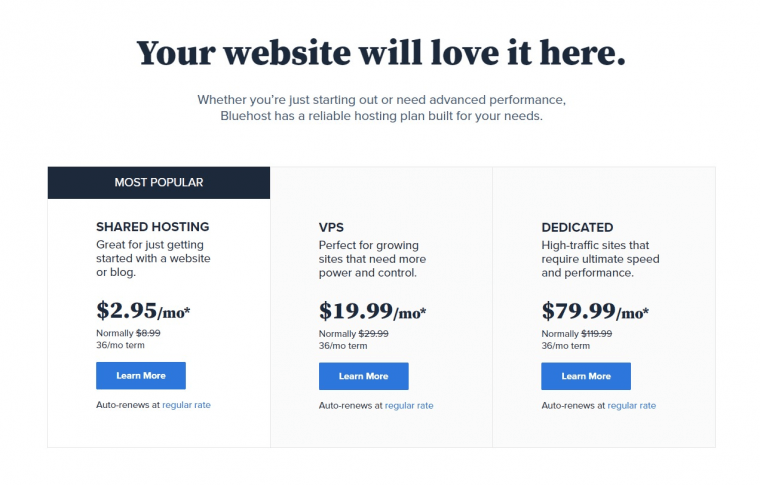
5. Bluehost Managed WordPress
Best for: Entry-level bloggers seeking trusted branding
Bluehost is officially recommended by WordPress.org and offers managed WordPress plans designed for stability and scalability. While not as performance-focused as premium competitors, it provides:
- Automatic updates
- Built-in marketing tools
- Free domain for the first year
- 24/7 support
It represents a reasonable entry point for bloggers transitioning from hobby projects to monetized platforms.


6. DreamHost Managed WordPress (DreamPress)
Best for: Bloggers prioritizing reliability and transparency
DreamHost’s DreamPress plans offer strong uptime guarantees and clear pricing. With SSD storage and built-in caching, it delivers solid mid-tier performance.
- Automated daily backups
- On-demand backups
- Free SSL
- WordPress site builder tools
This platform works well for bloggers who want consistent performance without premium-level costs.
7. Pressable
Best for: High-growth content platforms
Pressable is built on Automattic infrastructure, the company behind WordPress.com. It delivers enterprise-grade performance tailored to content-driven websites.
- 100% uptime SLA
- Free Jetpack Security
- Real-time monitoring
- Excellent technical support
Bloggers anticipating rapid growth may benefit from its scalability and infrastructure reliability.
8. A2 Hosting Managed WordPress
Best for: Speed-conscious bloggers on a budget
A2 Hosting emphasizes performance, especially with its Turbo servers. While pricing remains competitive, features align closely with more expensive managed services.
- Turbo server options
- Automatic backups
- Free SSL and migration
- Developer-friendly tools
For bloggers seeking enhanced speed without premium pricing, A2 offers practical value.
9. Nexcess
Best for: Monetized and ecommerce-integrated blogs
Nexcess, part of the Liquid Web family, offers highly optimized performance and advanced features suitable for bloggers who sell products or digital downloads.
- Auto image compression
- Visual regression testing
- Plugin performance monitoring
- 30-day backups
Its infrastructure is designed to handle dynamic content and additional functionality beyond standard blogging.
10. Hostinger Managed WordPress
Best for: Budget-conscious beginners
Hostinger provides affordable managed WordPress plans with surprisingly strong performance metrics. It includes:
- Weekly or daily backups
- LiteSpeed caching
- Managed updates
- Global data centers
Although it does not match premium providers in advanced features, it delivers dependable service for new bloggers building their first audience.
Key Factors Bloggers Should Consider
When choosing a provider, evaluate the following essentials:
- Speed: Faster load times improve SEO rankings and reduce bounce rates.
- Uptime reliability: Look for 99.9% uptime guarantees or higher.
- Security: Malware scanning, firewalls, and free SSL certificates are critical.
- Backup frequency: Daily automatic backups are highly recommended.
- Scalability: Ensure plans allow traffic growth without major disruptions.
- Support quality: Responsive WordPress-specific support can save hours of troubleshooting.


Managed vs Shared Hosting: Is It Worth It?
For hobby bloggers with minimal traffic, shared hosting may suffice. However, managed WordPress hosting offers several advantages:
- Improved page performance
- Reduced security risks
- Less manual maintenance
- Professional-grade server optimization
As a blog grows and begins generating revenue through advertising, affiliate marketing, or digital products, the reliability of managed hosting often justifies its higher cost.
Final Thoughts
Managed WordPress hosting is not merely a technical upgrade; it is a strategic investment in your blog’s long-term success. Slow websites lose readers. Poor security damages reputations. Downtime eliminates revenue opportunities. A strong hosting foundation ensures your content remains accessible, secure, and fast.
For established bloggers or those building a serious brand, industry leaders such as WP Engine and Kinsta offer unmatched performance. For those seeking balance between cost and reliability, SiteGround, DreamHost, or A2 Hosting provide practical solutions. Beginners may find strong value in Hostinger or Bluehost Managed WordPress.
Ultimately, the best hosting provider is the one aligned with your blog’s stage of growth, technical comfort level, and performance expectations. By choosing thoughtfully, bloggers can build a stable platform that supports consistent publishing and sustained audience growth for years to come.