


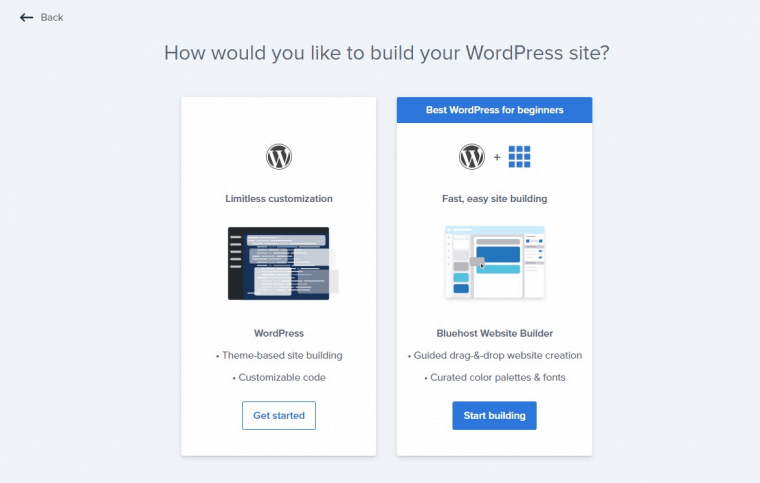
As artificial intelligence (AI) rapidly evolves, its applications are becoming increasingly visible across almost every industry—none more so than web development. One of the most transformative innovations in recent years has been the emergence of AI website builders. These platforms promise to simplify the process of creating websites, making it quicker, more accessible, and significantly less expensive. But with this advancement comes an inevitable question: Are AI website builders replacing traditional web designers?
TLDR: AI website builders offer fast, cost-effective, and user-friendly solutions for building websites, especially for small businesses or individuals with limited budgets. However, they’re not fully replacing professional web designers, who provide custom touch, user experience optimization, and advanced functionality. The future likely holds a hybrid approach, blending AI efficiency with human creativity. Understanding the strengths and limitations of both sides is key to making the right choice.
The Rise of AI Website Builders
AI website builders such as Wix ADI, Bookmark, and Zyro are revolutionizing the way people think about website creation. These platforms rely on machine learning algorithms to automate everything—from designing aesthetically pleasing templates to suggesting website layouts based on user preferences. All it typically takes is a few questions, and within minutes, a full-fledged website can be generated.
Benefits of AI website builders include:
- Speed: Websites can be created in minutes, not days or weeks.
- Affordability: Many options offer free tiers or low-cost plans suitable for tight budgets.
- Ease of use: Minimal to no coding knowledge is required.
- Scalability: Tools can offer insights on SEO, integrate with eCommerce, and even offer content suggestions.


These capabilities open the doors for small business owners, bloggers, and freelancers who might lack the time, budget, or technical expertise to hire a web designer. However, that is just one side of the equation.
What Do Web Designers Offer That AI Lacks?
While AI builders offer convenience, they often lack the finesse, customization, and human touch found in a professionally designed website. Web designers bring something to the table that AI, at least for now, struggles with—creativity and strategic thinking.
Here’s what experienced web designers can provide that AI builders generally don’t:
- Custom Branding: Designers tailor a site to match the mood, tone, and aspirations of a brand, rather than relying on templates.
- Advanced Functionality: Needs like custom databases, membership portals, interactive animations, and more require human expertise.
- User Experience Strategy: Real humans understand human behavior in ways AI cannot, including subtle design decisions based on psychology.
- Maintenance & Support: A web designer can troubleshoot and maintain a site over time—a service AI builders can’t fully emulate.
Moreover, web designers often work in teams or incorporate collaborative feedback, something that is invaluable for businesses aiming to establish a solid online identity or penetrate competitive markets. AI builders typically offer “one-size-fits-all” solutions that can fall short when unique or innovative site features are needed.
The Appeal to Different User Types
So, who is best suited to use AI website builders, and who should still consider hiring a professional web designer?
| Use Case | Best Option |
|---|---|
| Personal blogs or portfolios | AI Website Builders |
| Startup MVP websites | AI Website Builders + Minimal human edits |
| Custom corporate websites | Professional Web Designers |
| eCommerce websites with unique needs | Professional Web Designers |
| Rapid prototyping | AI Website Builders |
Clearly, the choice depends on the complexity of the website and the goals of the user. There is still a significant demand for human expertise in mid- to high-tier web design.
Are Web Designers Being Replaced?
Not entirely. AI builders are optimizing basic site needs, but they are not necessarily displacing those with advanced skills. In fact, many web designers are adapting by incorporating AI into their own workflows to speed up prototyping, content generation, or layout suggestions.
This suggests a future not of replacement, but of integration. Here’s how web designers are evolving:
- Using AI for faster wireframing and mock-up creation
- Letting AI handle repetitive coding tasks while they focus on high-level strategy
- Employing AI tools like ChatGPT to generate content drafts and SEO metadata
The symbiosis between human skill and AI efficiency could lead to better output overall. Web designers have the opportunity to raise their value by learning how to integrate AI effectively, making them not obsolete, but more versatile.

Limitations of AI Website Builders
While AI builders are making impressive strides, they are not without their limitations. For starters, they heavily rely on preset templates and drag-and-drop mechanisms. This can lead to a saturation of websites that look and function similarly. Here are some more drawbacks:
- SEO Limitations: Some builders generate sites with bloated code that affects page speed and search rankings.
- Content Generation: AI-generated copy can lack personality, accuracy, or consistency with brand tone.
- Design Constraints: Customization beyond the basics can quickly become complex or even impossible.
- No Deep Analytics or A/B Testing Tools: High-end marketers require analytics that go far beyond what AI builders currently offer.
These limitations mean that complex projects still necessitate a human touch, at least for now.
The Hybrid Future
Rather than eliminating web designers, AI is more likely to shift their job descriptions. The web designer of tomorrow may take on a more consultative or strategic role, leveraging AI tools to improve productivity, increase focus on creativity, and provide more agile design services.
Examples of this hybrid model include:
- Designers using AI-generated layouts as a base, then customizing them for specific needs
- Copywriters collaborating with AI to draft and refine content
- Developers using AI to automate frontend updates, while maintaining control over backend systems
Ultimately, the democratization of web design through AI builders doesn’t signal the end of web design as a profession. Rather, it highlights the industry’s transformation—one that’s more inclusive and efficient but still demands human ingenuity for outstanding results.
Conclusion
AI website builders are undoubtedly impactful. They’ve opened new doors for entrepreneurs, hobbyists, and non-tech-savvy users, helping them launch digital presences with incredible speed and limited investment. But while these tools are fast and affordable, they are still tools—not replacements for thoughtful, tailored, strategic design.
Web designers, if anything, are entering a renaissance. By understanding and adopting AI tools, they can offer better value and pivot from being mere website creators to digital strategists and experience architects. So, are AI website builders replacing web designers? The answer is more complex than a simple yes or no. They’re reshaping the landscape—but the role of the human designer remains distinct and invaluable.