


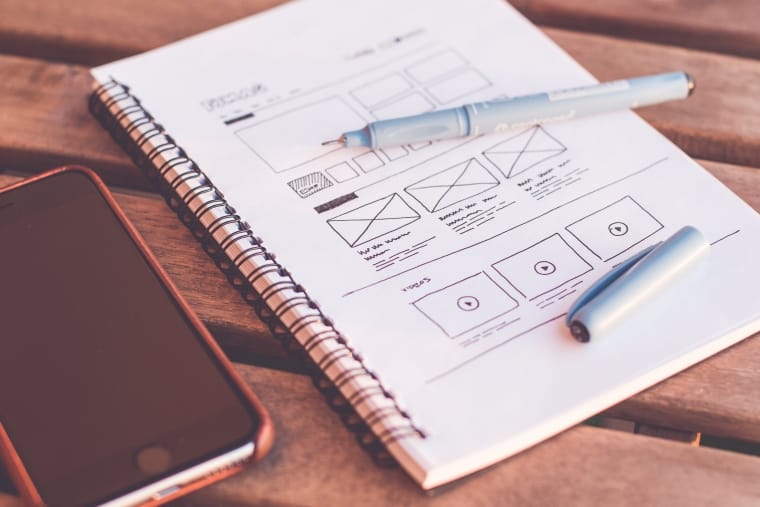
In the fast-paced world of technology, web design has seen relentless evolution. What was once a manual and time-intensive process is now undergoing a radical transformation, thanks to artificial intelligence (AI). From automating repetitive tasks to generating full website layouts with a few prompts, AI tools are changing the game — and redefining the future of web design in the process.
TLDR: The future of web design is being reshaped by AI tools that offer automation, enhanced creative potential, and faster development times. Platforms now use machine learning to generate layouts, optimize user interfaces, and personalize experiences in real-time. While these innovations increase efficiency, they also spark critical discussions about the role of human designers. The integration of AI is less about replacement and more about augmentation — giving creators better tools to design smarter and faster.
The Evolution of Web Design
Traditionally, web design was a meticulous art — involving detailed strategies, extensive coding, and hours of fine-tuning designs to achieve the perfect user experience. Designers had to balance aesthetics with functionality, always optimizing for usability and load speed. But with advancements in programming and user interface tools, aspects of the process became more accessible.
Enter artificial intelligence. The emergence of AI-driven platforms represents a significant leap from the early days of HTML and CSS. Tools such as Wix ADI, Bookmark’s AIDA, and Adobe Sensei now allow designers to outsource many of the repetitive and time-consuming aspects of their workflows.
How AI Tools Are Transforming the Design Process
The application of AI in web design can be seen across several domains. Let’s break down some of the key ways that AI is currently being used to enhance web design:
- Layout Generation: AI can automatically build web pages using content and design guidelines input by the user.
- Design Recommendations: Platforms deliver smart suggestions for fonts, color palettes, and component placement based on data-driven algorithms.
- Content Creation: AI-generated copywriting and image sourcing are accelerating the content assembly process.
- User Behavior Analytics: AI tools analyze how users interact with a site and adjust layout and suggestions accordingly to improve usability and retention.
- Accessibility Improvements: Algorithms can spot accessibility issues and make design choices that support inclusivity.
These capabilities are not about mimicking human creativity. Rather, they provide a baseline from which designers can iterate and personalize. It’s all about efficiency through augmentation.
Smarter UI/UX Design
One of the most exciting improvements AI has brought to web design is in the user experience (UX) space. Algorithms now predict the most efficient path a user will take on a page and help structure menus, buttons, and call-to-actions accordingly. This data-driven approach minimizes friction for users and creates a more seamless experience.
AI isn’t just optimizing visuals — it’s helping designers understand what users want before the users even realize it. Advanced platforms feed in heat maps, mouse behavior tracking, and interaction timelines to inform adjustments on the fly.


AI-Powered Personalization
Modern users expect personalized experiences. With AI, web design can now cater to individual preferences in real-time. This means dynamic content that changes based on who is visiting the site — be it through language shifts, product recommendations, or layout modifications tailored to device type and usage patterns.
This level of personalization was previously unimaginable without massive backend teams and data analysis. Now, with platforms integrated with AI, websites can autonomously adjust their output for different target audiences. Some key examples include:
- Dynamically shifting user interfaces based on geolocation.
- Product recommendations personalized via behavior models.
- Automatically adapted text sizes and color schemes for better readability based on user interaction data.
This shift is turning websites into intelligent, adaptive ecosystems rather than static digital brochures.
The Rise of No-Code and Low-Code Design
AI is also fueling one of the most democratic trends in web creation: no-code and low-code platforms. These platforms, powered with AI engines, allow non-developers to build complex websites using drag-and-drop interfaces and natural language prompts.
For example, users can now type in “Create a homepage for a coffee shop with an FAQ and contact form,” and tools like Zyro or Framer AI will generate functioning templates that can be further tweaked within minutes.

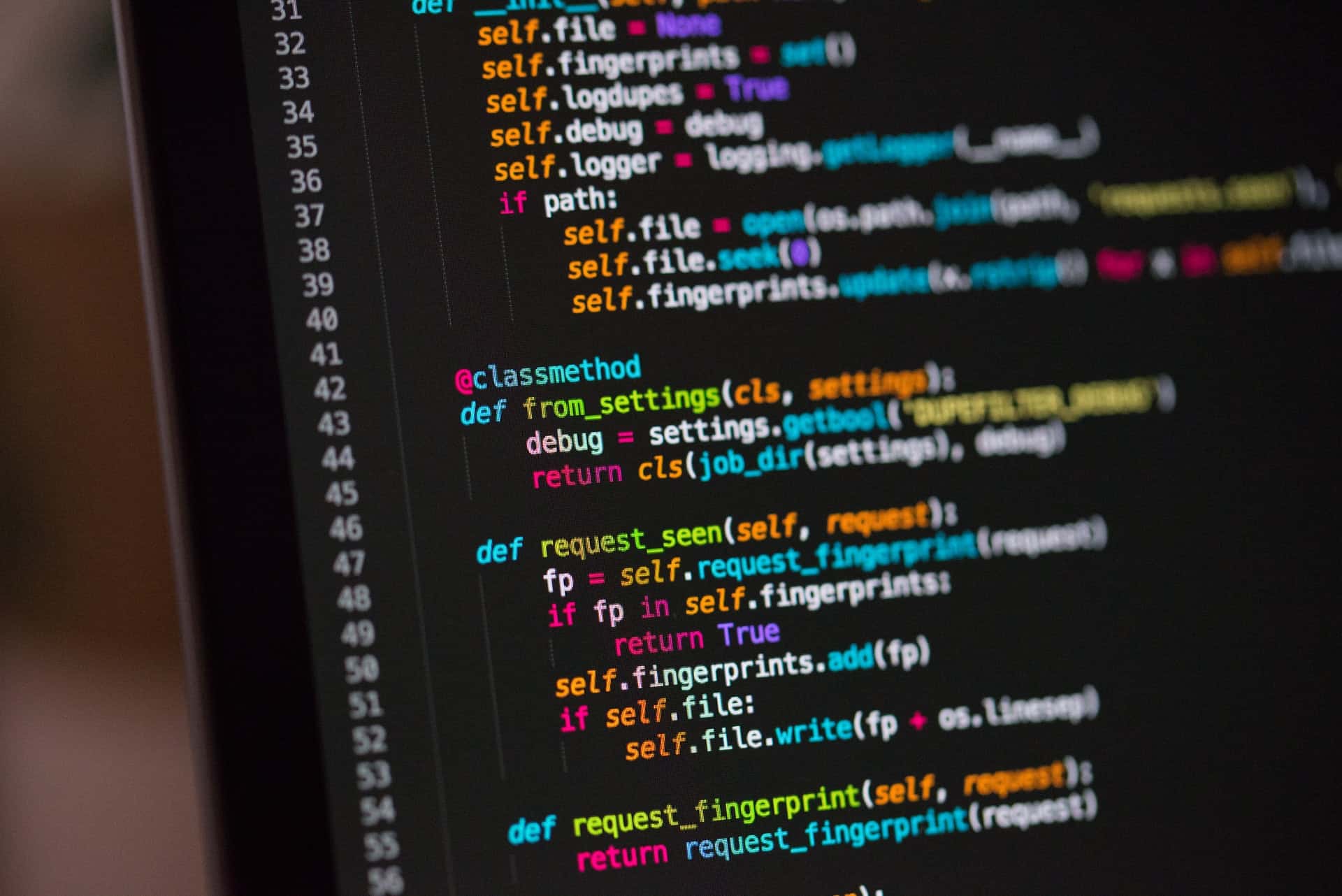
This trend is particularly significant for small business owners and startups who lack the resources for full web development teams. AI doesn’t just enable creation — it empowers entrepreneurs with creative freedom.
Challenges and Ethical Considerations
Despite these advances, AI in web design is not without its challenges. While automation improves efficiency, it also raises questions around:
- Creative originality: Can AI truly innovate in design, or is it just reshuffling ideas?
- Job displacement: Will AI replace human designers in the long term?
- Bias in algorithms: Are AI systems perpetuating existing design norms without considering diversity and inclusion?
Furthermore, the use of AI in user behavior analysis can blur the lines between helpful personalization and invasive surveillance if not properly managed. Designers and developers now shoulder greater responsibility to implement AI ethically and transparently.
AI and Human Designers: A Complementary Relationship
One major misconception is that AI will eliminate the role of web designers. In reality, AI works best when used in tandem with human insight. The goal of AI in web design is not to replace creativity but to foster it — by eliminating the rote and repetitive parts of the job.
Designers still offer what AI cannot: intuition, emotional intelligence, aesthetic sensibility, and an understanding of cultural nuance. AI can build a framework, but human touch gives it soul.
As the technology evolves, the role of a web designer is also evolving: from layout constructor to experience architect, strategist, and brand curator.
Future Trends to Watch
Looking ahead, here are a few key AI-driven trends that are likely to shape the next generation of web design:
- Voice-Activated Design Interfaces: Design tools that respond to voice commands, making website building even more intuitive.
- AI Co-Designer Features: Collaborative AI assistants that offer suggestions, spot potential UX flaws, and help iterate designs in real-time like a virtual design partner.
- End-to-End Automation: From SEO optimization to content updates, AI could automate nearly every aspect of site management.
- Neuro-Design Integration: AI analyzing biometric feedback (like eye tracking and heart rate) to customize design elements for deeper engagement.
Conclusion: Designing a Smarter Future
Artificial intelligence is not a disruptor in the pejorative sense — it’s a catalyst. It is turning web design from a rigid and technical process into a flexible, intelligent dialogue between the creator, the user, and the machine. As AI capabilities continue to grow, so will the creative potential of designers who embrace these tools.
The future of web design is not just about faster production or smarter systems. It’s about smarter collaboration — between humans and machines, between data and emotion, and between expectations and experience. And in this new frontier, the real winners will be those who can design not just for screens, but for possibility.