



Ready Player One is still a loud, shiny, and very nerdy ride. Ernest Cline’s novel first arrived in 2011, but it keeps finding new readers. In 2026, that matters. We now live in a world full of VR headsets, AI tools, online fandoms, digital money, and endless screens. So the book feels less like a wild dream and more like a warning with arcade sounds.
TLDR: Ready Player One still matters in 2026 because it understands how much people want escape, community, and control over their own lives. The book is fun, fast, and packed with pop culture, but it also asks serious questions about tech and power. It is not perfect, yet its core ideas feel more relevant than ever. If you like games, nostalgia, and underdog stories, it is still worth reading.
A Quick Look at the Story
The novel follows Wade Watts. He is a poor teenager living in a grim future. The world outside is broken. Cities are crowded. Jobs are rare. The climate is bad. Most people would rather log into the OASIS than face real life.
The OASIS is a huge virtual world. It is a game. It is a school. It is a mall. It is a social network. It is almost everything. People work there, play there, fall in love there, and hide there.
When the creator of the OASIS dies, he leaves behind a contest. Whoever finds his hidden Easter egg wins his fortune and control of the OASIS. Wade joins the hunt. So do millions of others. A huge company called IOI wants to win too. And IOI will cheat, lie, and kill to get the prize.
That is the engine of the book. Simple. Clear. Very game like.


Why It Still Feels Fresh in 2026
In 2011, the OASIS sounded like a huge fantasy. In 2026, it feels closer. We have VR games. We have online concerts. We have digital avatars. We have remote work. We have AI friends and AI assistants. We have online economies that can feel more real than the real one.
The book asks a simple question. What happens when the digital world becomes better than the real world?
That question is not old. It is getting louder.
Many people now spend hours inside online spaces. They build identities there. They meet friends there. They make money there. They also get tracked there. Sold to there. Manipulated there. The OASIS is fun, but it is also a trap. That is why the novel still hits.
It knows that escape can save you. It also knows escape can swallow you.
Wade Watts Is Easy to Root For
Wade is not a superhero. He is not rich. He is not cool in the usual way. He is lonely, smart, awkward, and obsessed with old games and movies. That makes him easy to understand.
He wants a better life. He wants to matter. He wants to prove that his brain is worth something. Many readers can connect with that. You do not need to be a gamer to understand wanting out.
Wade’s journey is classic. He starts at the bottom. He studies hard. He takes risks. He finds allies. He learns painful lessons. He faces a giant company. It is a hero’s journey with Pac Man ghosts and Rush lyrics.
Is Wade perfect? No. He can be selfish. He can be creepy. He can act like knowing trivia makes him better than others. But that also makes him feel like a real teenager. A messy one. A person who still has to grow.
The Pop Culture Stuff Is Both Fun and a Lot
Let’s be honest. Ready Player One is famous for references. So many references. Atari. Dungeons and Dragons. John Hughes movies. Japanese robots. Classic arcade games. Old computers. Rock bands. Fantasy films. Sci fi shows. The book is a giant toy box.
For some readers, this is the best part. Every page feels like a treasure hunt. You spot a name you know and feel a little spark. It is like the book is giving you a high five.
For other readers, it can be too much. Sometimes the story pauses to list cool things. Sometimes it feels like a museum tour of 1980s nerd culture. If you do not care about that era, you may get tired.
But here is the trick. The references are not only decoration. They are the rules of the contest. The dead creator, James Halliday, loved this culture. To win his game, the hunters must understand him. They study his obsessions. They learn the language of his life.
That makes the nostalgia part of the plot. It is still indulgent. Very indulgent. But it has a reason.
The Book Is Really About Power
The fun surface is games and trivia. The deeper story is about power. Who owns the spaces where we live? Who controls access? Who writes the rules?
In the novel, the OASIS is not just entertainment. It is the center of society. That makes ownership extremely important. If IOI wins, the company can turn the OASIS into a pay to play nightmare. Poor users may be pushed out. Freedom may vanish. Ads may cover everything.
Does that sound familiar? It should.
In 2026, many people worry about tech monopolies. They worry about private platforms controlling speech, work, school, art, and identity. They worry about being locked into systems they do not own. Ready Player One turns those worries into a big adventure story.
That is one reason the novel still matters. It makes a complex issue simple. It says, “Imagine if one company owned your whole digital life.” Then it asks, “Would you fight back?”


The OASIS Is Cool, But Also Sad
The OASIS is the best part of the book. It is huge and colorful. You can fly to planets. You can be anyone. You can learn anything. You can battle monsters. You can visit old movie worlds. It is every geek dream smashed into one place.
Yet the OASIS exists because the real world failed. That is the sad part.
People do not just use it because it is fun. They use it because outside life is painful. Wade lives in “the stacks,” a vertical pile of trailer homes. It is dangerous and poor. School in the OASIS is safer than school in real life. That detail says a lot.
The book does not always explore this world as deeply as it could. It often rushes back to the hunt. Still, the idea is strong. A perfect virtual world can hide a very broken physical one.
That feels important in 2026. Tech can improve life. But it can also distract us from fixing life.
The Villains Are Simple, But Effective
IOI is not subtle. It is a giant evil corporation. Its workers are called Sixers. They wear numbers instead of names. They are trained, cold, and organized. Their leader, Nolan Sorrento, wants control.
Is this a deep villain? Not really. But it works. The story is built like a game. IOI is the final boss. You understand the threat right away.
Sometimes simple villains are useful. They let the story move fast. They also make the stakes clear. If IOI wins, the OASIS becomes worse for everyone. If Wade and his friends win, there is at least hope.
The Friend Group Gives the Book Heart
Wade is not alone. He meets other gunters, or egg hunters. Aech, Art3mis, Shoto, and Daito become key parts of the story. Their friendships begin online. Then they become real, even before they meet in person.
This is one of the novel’s best ideas. Online friendship can be real friendship. The book understood this early. In 2026, that feels normal to many people. Some of our closest bonds can start in chats, games, forums, and streams.
The novel also plays with identity. An avatar can show who you want to be. It can also hide who you are. The reveal around Aech is one of the book’s stronger emotional moments. It reminds us that people are more than the images they choose online.
That message still works. Maybe it works even better now.
What Has Not Aged Perfectly
No review should pretend the book is flawless. It is not.
- The prose is plain. It is easy to read, but not very elegant.
- The references can feel excessive. Some pages are more list than story.
- Wade can be annoying. His obsession with Art3mis can feel uncomfortable.
- The worldbuilding could go deeper. The real world is fascinating, but often left in the background.
- The book worships geek culture. Sometimes it questions fandom. Sometimes it just celebrates it.
These issues are real. Some readers bounce off the book because of them. That is fair.
But the novel also has strong momentum. It knows how to create a quest. It knows how to make puzzles exciting. It makes reading feel like playing a game. That is not easy.
Why the Novel Beats the Movie
The 2018 film is big, bright, and fun. Steven Spielberg knows how to make motion look magical. But the movie changes a lot. It moves faster. It drops many puzzles. It turns the story into more of an action film.
The novel has more room to breathe. It spends more time with Wade’s thoughts. It explains the contest better. It makes the research feel important. You feel the grind. You feel the obsession. You understand why a single clue can change a life.
The movie is a theme park ride. The book is a game manual, diary, treasure map, and adventure story all at once.
Both can be enjoyed. But the novel gives the idea more weight.

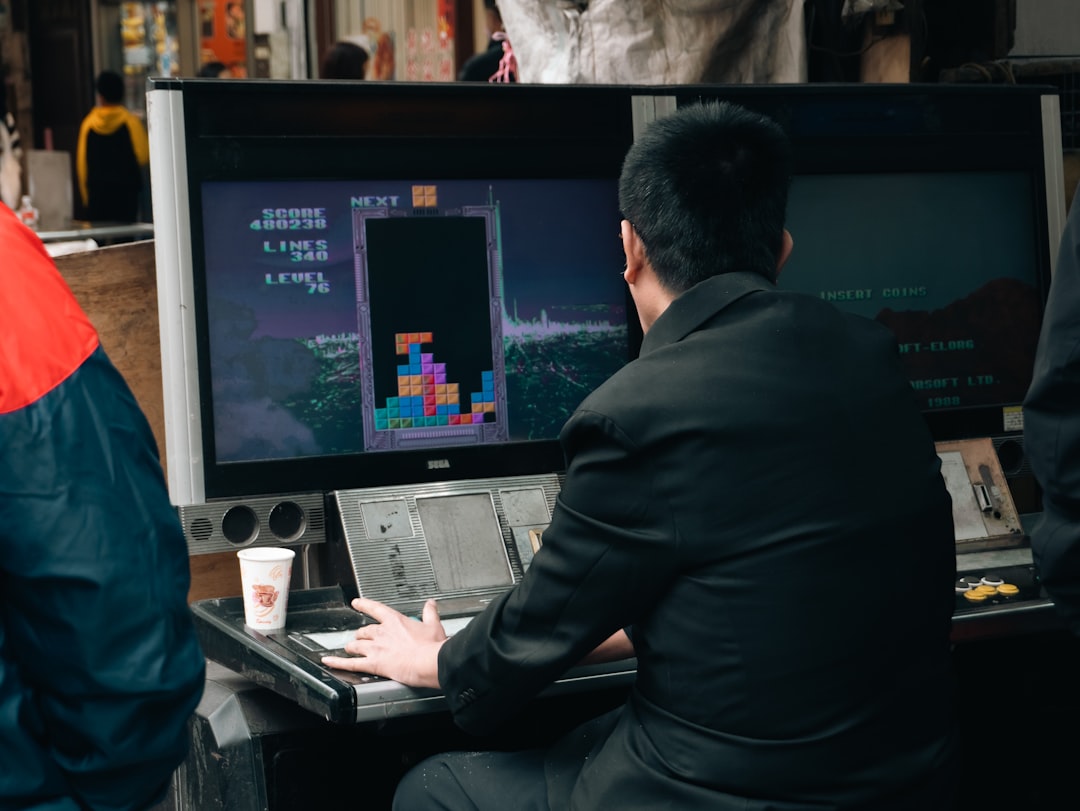
The Big Theme: Escape Is Not Enough
The ending makes the book’s message clear. Living online can be amazing. But it cannot be everything. Real life still matters. Bodies matter. The planet matters. Love matters. Food, shelter, and safety matter.
This could sound cheesy. Maybe it is. But it is also true.
In 2026, we have more digital comfort than ever. We can watch anything. Play anything. Generate images. Chat with bots. Work from a sofa. Buy without leaving the house. That is powerful. It is also risky.
Ready Player One says we should enjoy the game, but not forget the world outside the headset.
Who Should Read It in 2026?
You should read Ready Player One if you like:
- Fast adventure stories.
- Video games and virtual worlds.
- Underdog heroes.
- Treasure hunts and puzzles.
- 1980s pop culture.
- Stories about tech, power, and identity.
You may not love it if you dislike heavy nostalgia. You may also struggle if you want deep literary prose. This is not that kind of book. It is more like a bag of neon candy with a warning label inside.
Final Verdict
Ready Player One still matters in 2026 because it saw where culture was heading. It understood that online spaces would become homes. It understood that fandom could shape identity. It understood that corporations would fight to own the future. Most of all, it understood that people need hope when the real world feels stuck.
The novel is silly. It is exciting. It is flawed. It is full of heart. It can be too much, but it is rarely boring. Its best ideas have only grown stronger with time.
So yes, Ready Player One is still worth reading. Not because it predicted everything perfectly. It did not. It matters because it turns our digital fears and dreams into a story anyone can follow. It gives us a maze, a scoreboard, a villain, and a reason to keep playing.
Score: 4 out of 5 extra lives.