



Artificial Intelligence (AI) is changing the world. From chatbots to smart cars, it’s everywhere. But how do we measure if it’s doing a good job? This is where AI Visibility Metrics Platforms come in. They’re like scoreboards that tell us how AI is performing. Let’s explore what these platforms are and why they matter.
TLDR:
AI visibility metrics platforms help you see how well an AI system is working. They report on performance, fairness, and efficiency. They play a key role in building trust, improving accuracy, and catching errors before they become problems. Think of them as a fitness tracker, but for your AI.
What is an AI Visibility Metrics Platform?
Imagine you’re training a robot to make coffee. You’d want to know if it’s doing it right. Is it spilling milk? Taking too long? Adding salt instead of sugar?
An AI visibility metrics platform does exactly that—but for any AI system. It shows metrics like:
- Accuracy: How often the AI gives correct answers
- Latency: How fast it responds
- Fairness: Does it treat all users equally?
- Drift: Is its performance changing over time?
These platforms take the mystery out of AI. No more guessing if it’s working well. You get the facts—clear and simple.
Why Should You Care?
If you use AI, you need to track it. Even great models can make mistakes. For example:
- An AI hiring tool that favors one gender over another
- A self-driving car that fails to recognize a stop sign
- A language model that gives false, biased, or inappropriate outputs
Without visibility, these issues go unnoticed. With a good metrics platform, you see problems early—and fix them fast.
Features of the Best AI Metrics Platforms
Not all platforms are created equal. The leading ones have:
- Real-time monitoring: Metrics update instantly. No waiting, no guessing.
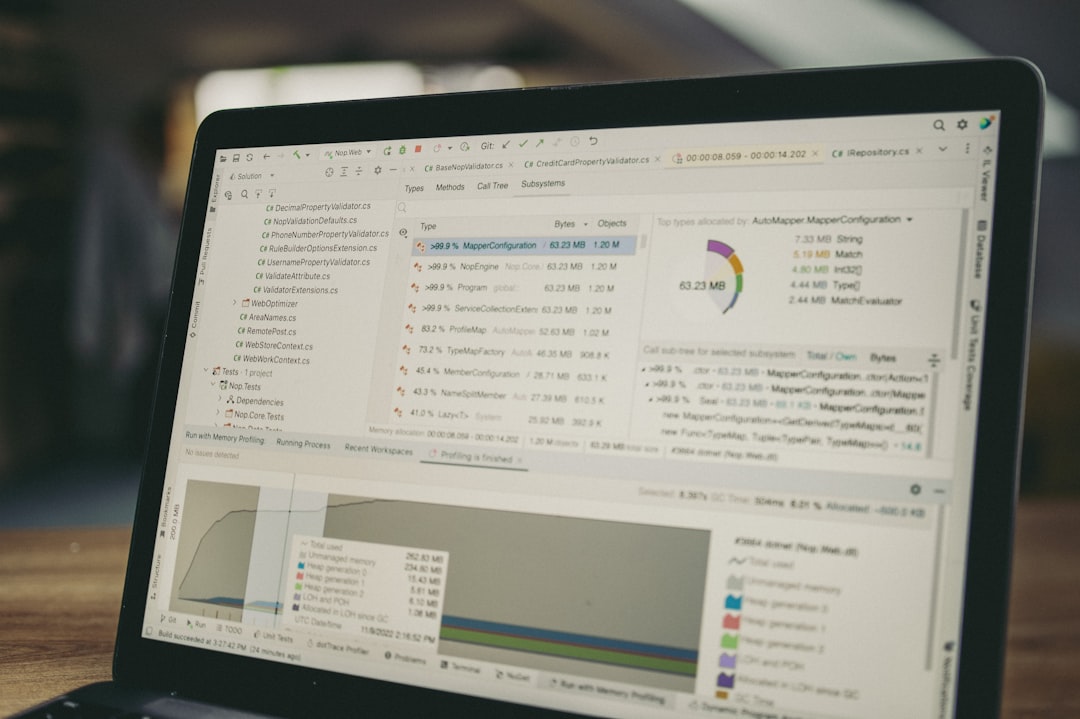
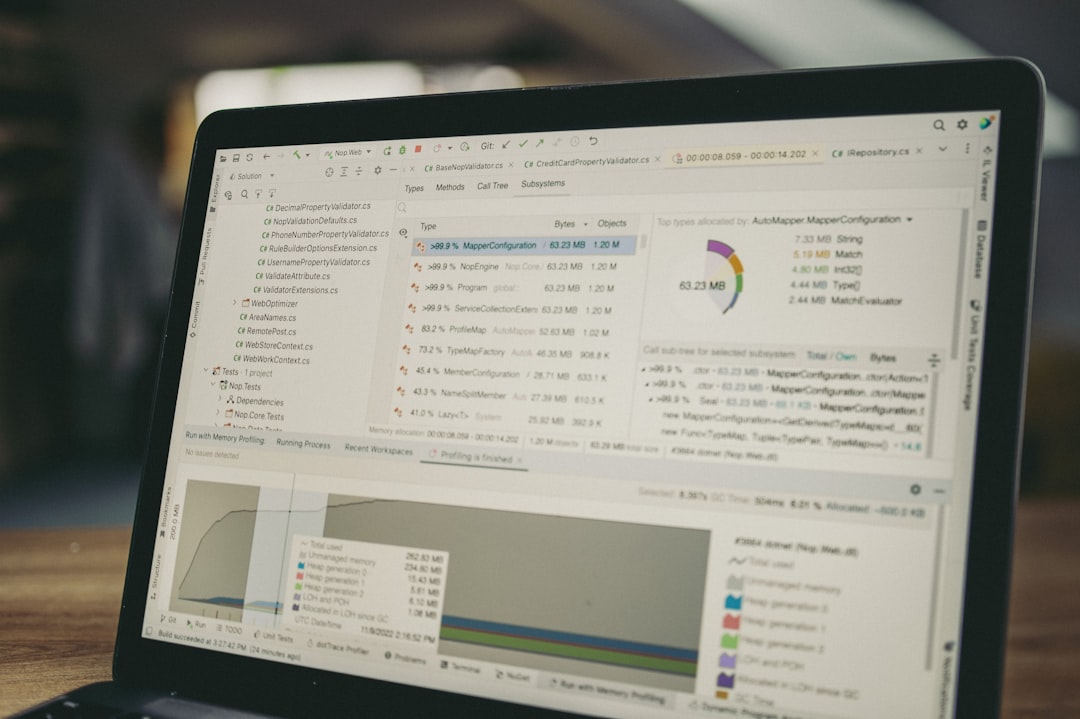
- Dashboards & Reports: Visuals that make stats easy to understand.
- Alerts & Notifications: If something breaks, you know right away.
- Custom Metrics: Track what matters most to your team.
- Integration: Works with your AI tools and data pipelines.
These features help teams stay in control—every step of the way.

Who Uses These Platforms?
Pretty much everyone working with AI can benefit. That includes:
- Data Scientists: To fine-tune models and track accuracy
- Developers: To spot and fix bugs
- Product Managers: To get performance snapshots
- Executives: To make smarter decisions
Even non-tech teams can use them—thanks to user-friendly dashboards and reports.
Real-Life Example: AI in Healthcare
Let’s say a hospital uses AI to analyze X-rays. The AI suggests a diagnosis. Accuracy here is life-or-death. A good visibility metrics platform will:
- Show how reliable the AI is over time
- Warn if the model starts making more mistakes
- Track how it performs for different age groups and genders
This leads to safer, more trustworthy AI in critical fields. That’s a big win!
Common Metrics You’ll See
Here are some everyday metrics and what they mean:
| Metric | What It Means |
|---|---|
| Precision | % of positive predictions that were correct |
| Recall | % of real positives the AI found |
| F1 Score | Balance of precision and recall |
| Confusion Matrix | Shows where the AI gets confused |
| Latency | Time it takes for AI to respond |
These numbers tell the full story behind an AI’s performance.
Trendy Extras: What’s New in Visibility
The best platforms are leveling up. They’re adding cool new features like:
- Bias Detection: Identifies if the AI is unfair to certain groups
- Explainability: Breaks down why the AI made a decision
- Data Drift Monitoring: Detects when incoming data changes over time
- Human Feedback Loops: Let humans correct bad results to improve AI
These new tools help companies go beyond just measuring—they help them improve.
Benefits of Using One
Still not sure you need one? Here are some benefits:
- Catch Bugs Early: See what’s wrong before users complain
- Improve Quality: Make your AI smarter each week
- Gain Trust: Show customers and partners that your AI is safe and fair
- Stay Accountable: Have clear records to show regulators how your AI behaves
- Save Time: Let the platform do the tracking work, so your team can build
Basically, it’s like having a microscope and a GPS for your AI—at the same time.
What to Look For When Choosing a Platform
Picking the right one is key. Here’s what to check:
- Scalability: Can it handle your growth?
- Ease of Use: Can your team get started fast?
- Security: Is your data protected?
- Customizability: Can you track unique metrics?
- Support: Do they offer help when you need it?
Do a trial run. Play with the dashboards. Make sure it feels right for your team.
Final Thoughts
AI is powerful—but with great power comes great responsibility. Visibility metrics platforms help you stay in control. They turn AI into a well-monitored, trustworthy team member—not a risky black box.
So if you work with AI, stop guessing. Start measuring. Your future self (and your users) will thank you.


Fun Tip:
Treat your AI like a pet robot. You wouldn’t just let it run wild. You’d check in, see how it’s doing, make sure it’s not chewing the furniture. That’s what an AI visibility metrics platform does—daily check-ups for your digital buddy.