


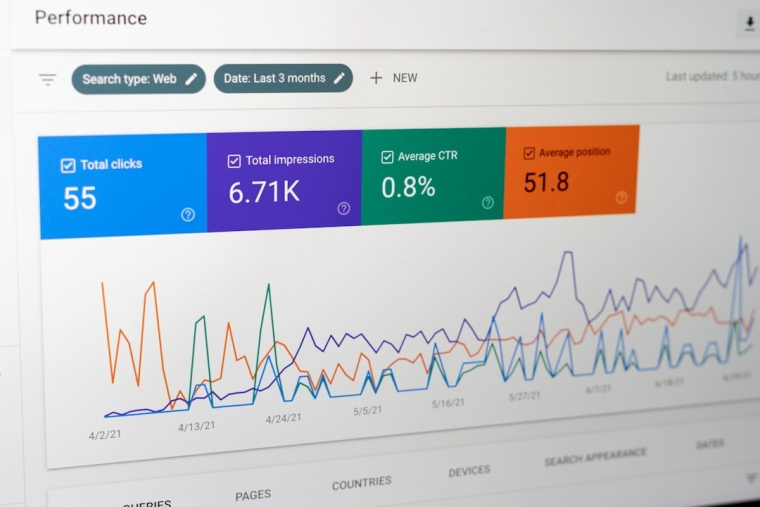
Businesses today run on data. But not just any data. They run on what customers think, feel, and say. That is where customer feedback platforms like Qualtrics come in. These tools turn opinions into insights. And insights into smarter decisions.
TLDR: Customer feedback platforms like Qualtrics help businesses collect and understand what customers think. They gather feedback from surveys, reviews, and other touchpoints. Then they turn that data into clear insights using dashboards and analytics. The result? Better products, happier customers, and smarter business moves.
Let’s break it down in a fun and simple way.
What Is a Customer Feedback Platform?
A customer feedback platform is a digital tool. It helps companies ask questions. It collects answers. Then it analyzes the results.
Think of it like a smart suggestion box. But instead of paper slips, it uses:
- Email surveys
- Website popups
- SMS messages
- Mobile apps
- Social media polls
Platforms like Qualtrics go further. They do not just collect responses. They also:
- Track customer emotions
- Measure satisfaction scores
- Predict customer behavior
- Create visual reports
In short, they turn feedback into something useful.
Why Customer Feedback Matters
Imagine running a restaurant. You serve food every day. But you never ask customers if they like it. Sounds risky, right?
The same rule applies to any business.
Customer feedback helps you:
- Understand expectations
- Improve products and services
- Fix problems quickly
- Build stronger relationships
- Increase loyalty
Without feedback, companies guess. With feedback, they know.
Meet Qualtrics and Similar Platforms
Qualtrics is one of the leaders in customer experience software. It is powerful. It is flexible. And it is used by companies around the world.
But it is not alone.
Other popular platforms include:
- Medallia
- SurveyMonkey Enterprise
- Typeform
- Zendesk Experience tools
- Alchemer
All of them aim to do one thing. Help businesses listen better.


How These Platforms Work
The process is simple. It usually follows four steps.
1. Ask
Create surveys. Send them out. Ask the right questions.
Common types of questions include:
- How satisfied are you? (CSAT)
- How likely are you to recommend us? (NPS)
- How easy was your experience? (CES)
- Open-ended questions like “What can we improve?”
2. Collect
Responses come in. From email. From apps. From websites. From call centers.
Everything flows into one central dashboard.
3. Analyze
This is where the magic happens.
Modern tools use:
- Real-time analytics
- AI-powered text analysis
- Sentiment detection
- Trend tracking
They can scan thousands of comments in seconds. They find patterns. They detect common complaints. They highlight praise.
4. Act
Insights are shared with teams. Managers make decisions. Problems are fixed.
Feedback becomes action.
Key Features You Should Know
Let’s look at some standout features of platforms like Qualtrics.
Customizable Surveys
You can design surveys that match your brand. Add logos. Use brand colors. Change fonts.
You can also create different paths. For example:
- If customer is happy → Ask for a review.
- If customer is unhappy → Ask for details.
This is called survey logic. It makes surveys smarter.
Real-Time Dashboards
No waiting for monthly reports.
Managers can log in anytime and see:
- Satisfaction scores
- Response rates
- Trends over time
- Department comparisons
Everything is visual. Charts. Graphs. Heat maps.
Text and Sentiment Analysis
Open comments are gold mines. But they are messy.
Advanced tools use artificial intelligence to:
- Detect positive or negative tone
- Group similar comments
- Highlight urgent issues
This saves hours of manual reading.

Integration With Other Tools
Feedback platforms do not work alone.
They connect with:
- CRM systems
- Email marketing tools
- Customer support software
- Data visualization platforms
This creates one connected system. Data flows smoothly.
Real-World Use Cases
Customer feedback platforms are used in many industries.
Retail
Stores send surveys after purchases. They measure satisfaction with staff. They improve store layout. They optimize checkout experiences.
Healthcare
Hospitals gather patient feedback. They track wait times. They improve communication between doctors and patients.
Technology
Software companies ask users about features. They identify bugs. They prioritize updates.
Hospitality
Hotels track guest experiences. They monitor cleanliness. They manage online reviews.
The principle is the same. Listen. Learn. Improve.
Benefits for Businesses
Using platforms like Qualtrics offers clear advantages.
1. Better Decisions
No more guessing. Decisions are based on real customer data.
2. Faster Problem Solving
If many customers complain about the same issue, alerts can trigger instantly. Teams can react fast.
3. Higher Customer Loyalty
When customers feel heard, they stay longer. They trust more.
4. Improved Employee Performance
Feedback can highlight training needs. It can also reward top performers.
5. Competitive Advantage
Companies that listen well usually outperform those that do not.
Making Feedback Fun for Customers
Let’s be honest. People do not love long surveys.
So companies must make it easy.
- Keep surveys short.
- Use simple language.
- Make them mobile friendly.
- Offer small incentives.
Some companies gamify feedback. They use smiley faces. Sliders. Quick taps.
Short and sweet wins the race.

Common Challenges
No system is perfect.
Here are a few challenges businesses face:
- Low response rates
- Survey fatigue
- Data overload
- Poor follow-up
Collecting feedback is not enough. Acting on it is the real test.
If customers complain but see no change, trust drops.
Best Practices for Success
Want better results? Follow these tips:
- Ask at the right moment. Right after an interaction works best.
- Keep it focused. Do not ask 30 questions if 5 will do.
- Close the loop. Tell customers how their feedback helped.
- Share insights internally. Make feedback everyone’s responsibility.
- Review regularly. Trends matter more than one-time scores.
Consistency beats complexity.
The Role of AI in Customer Insights
Artificial intelligence is changing everything.
Modern platforms can now:
- Predict which customers might leave
- Suggest actions based on feedback trends
- Automatically categorize comments
- Personalize follow-up messages
This means businesses can move from reactive to proactive.
Instead of waiting for complaints, they prevent them.
Small Business vs. Enterprise Use
You might think these tools are only for big corporations. Not true.
Small businesses use simpler versions. They focus on quick surveys and basic reporting.
Large enterprises use advanced features. They manage global feedback programs. They connect data across many departments.
The core goal stays the same. Understand the customer better.
The Future of Customer Feedback Platforms
The future looks exciting.
Expect to see:
- More automation
- Voice and video feedback analysis
- Deeper emotional insights
- More real-time alerts
- Stronger data privacy controls
Feedback will become more natural. It may happen during conversations. During video calls. Even through voice assistants.
The easier it is to give feedback, the more people will share.
Final Thoughts
Customer feedback platforms like Qualtrics are powerful tools. But they are not magic.
The real power lies in how businesses use the insights.
Listening is step one. Acting is step two.
When companies truly listen, customers notice. They feel valued. They feel respected.
And that is good for everyone.
Because at the end of the day, business is simple.
Happy customers build successful companies.