


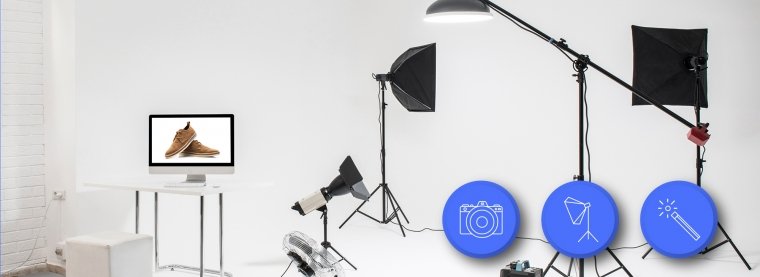
For ecommerce brands, high-quality product visuals are no longer optional—they are a core driver of conversions, trust, and perceived value. Traditionally, producing professional product mockups required studios, photographers, models, and significant budgets. Today, artificial intelligence has fundamentally changed that equation. AI image generation platforms now enable ecommerce businesses to create realistic, on-brand, conversion-ready product mockups in minutes rather than weeks.
TLDR: AI image generation platforms are transforming ecommerce by enabling fast, affordable, and highly customizable product mockups. Tools like Midjourney, Adobe Firefly, DALL·E, and specialized ecommerce platforms offer varying levels of realism, branding control, and workflow integration. The right choice depends on your design expertise, catalog size, and need for automation. Businesses that integrate AI mockups strategically can significantly reduce production costs while maintaining professional visual standards.
The following guide examines seven leading AI image generation platforms for ecommerce product mockups, outlining their strengths, limitations, and ideal use cases.
1. Midjourney
Best for: Highly stylized, visually striking product scenes
Midjourney is widely recognized for producing exceptionally detailed and aesthetically impressive AI-generated visuals. For ecommerce, it excels at placing products into imaginative or aspirational environments that elevate brand perception.
While Midjourney does not natively specialize in product mockups, skilled prompting and image referencing allow businesses to generate premium lifestyle scenes around their products.
Strengths:
- Exceptional artistic quality
- Strong stylization capabilities
- High-resolution output options
Limitations:
- Less precise control over product accuracy
- Requires prompt-writing expertise
- No built-in ecommerce integrations


Midjourney is particularly effective for brands in fashion, beauty, or luxury segments that prioritize aesthetic impact over technical uniformity.
2. DALL·E
Best for: Controlled, realistic product mockups with editing capabilities
DALL·E has evolved into a powerful tool for generating and editing product imagery. Its inpainting and outpainting features make it well-suited for placing products into new environments while preserving accurate branding.
Users can upload product photos and generate contextual backgrounds such as office spaces, kitchens, outdoor settings, or seasonal backdrops.
Strengths:
- Strong image editing and expansion tools
- Realistic rendering capabilities
- Reliable consistency across variations
Limitations:
- Dependent on prompt clarity
- Less stylized than some competitors
This platform is particularly useful for ecommerce sellers managing multiple SKUs who need clean, repeatable lifestyle variations without hiring photographers.
3. Adobe Firefly
Best for: Brand-safe, commercially secure product visuals
Adobe Firefly stands out due to its integration with Photoshop and Adobe’s wider creative ecosystem. For ecommerce teams already working within Adobe workflows, Firefly offers significant efficiency gains.
Designers can generate backgrounds, enhance product staging, and refine images with professional-grade controls.
Strengths:
- Commercially safe training data
- Deep integration with Photoshop
- Precision editing controls
Limitations:
- Requires familiarity with Adobe tools
- Subscription-based pricing structure
Firefly is particularly well-suited for mid-sized to large ecommerce brands seeking legal clarity and workflow continuity.
4. Canva AI (Magic Media)
Best for: Small businesses and quick-turn mockups
Canva’s AI image generator enables simple product mockup creation within an accessible, user-friendly interface. It is ideal for entrepreneurs and small ecommerce operators who need fast visuals for marketplaces and social media.
Strengths:
- Beginner-friendly interface
- Affordable pricing tiers
- Integrated design templates
Limitations:
- Less advanced realism
- Limited fine-grained control
Canva AI excels when speed and simplicity matter more than hyper-realistic rendering.
5. Booth AI
Best for: Dedicated ecommerce product mockups
Booth AI is purpose-built for product photography replacement. Users upload reference product images, and the platform generates high-quality lifestyle mockups without complex prompt engineering.
This makes it one of the most accessible AI tools designed specifically for ecommerce merchandising.

Strengths:
- Designed specifically for product shots
- Minimal prompt engineering required
- Fast turnaround
Limitations:
- Less creative flexibility than open AI generators
- Subscription costs may scale with usage
Booth AI is particularly effective for Shopify and direct-to-consumer sellers seeking catalog consistency.
6. Pebblely
Best for: Automated background generation for catalogs
Pebblely focuses heavily on ecommerce automation. Upload a product image, choose a theme (such as “modern kitchen” or “holiday sale”), and generate multiple mockups in seconds.
It emphasizes batch processing, making it efficient for stores with large inventories.
Strengths:
- Batch generation capabilities
- Optimized for catalog workflows
- Easy-to-use interface
Limitations:
- Less control over intricate styling
- Limited advanced retouching tools
This platform is especially practical for marketplace sellers who need scalable solutions.
7. Flair AI
Best for: Branded, collaborative mockup generation
Flair AI focuses on branded product content and team workflows. It allows businesses to build reusable templates and generate consistent mockups across campaigns.

Strengths:
- Template-based workflow
- Brand consistency tools
- Collaboration-friendly environment
Limitations:
- Learning curve for advanced features
- May require iteration to refine outputs
Flair AI is particularly suitable for growing ecommerce brands investing in cohesive visual identity.
Comparison Chart
| Platform | Best For | Ease of Use | Realism | Ecommerce Focus | Editing Tools |
|---|---|---|---|---|---|
| Midjourney | Artistic lifestyle scenes | Moderate | High (stylized) | Low | Basic |
| DALL·E | Controlled mockups | Moderate | High (realistic) | Medium | Advanced |
| Adobe Firefly | Brand-safe workflows | Moderate to Advanced | High | Medium | Professional-grade |
| Canva AI | Quick marketing visuals | Easy | Moderate | Low to Medium | Basic |
| Booth AI | Product photography replacement | Easy | High | High | Moderate |
| Pebblely | Batch mockups | Easy | Moderate to High | High | Limited |
| Flair AI | Branded team workflows | Moderate | High | High | Moderate |
Key Considerations When Choosing a Platform
When selecting an AI image generation tool for ecommerce mockups, consider the following:
- Volume: Large catalogs benefit from batch automation tools like Pebblely.
- Brand Precision: Established brands may prefer Adobe Firefly or Flair AI.
- Creative Flexibility: Midjourney offers unmatched stylization.
- Ease of Use: Canva AI and Booth AI reduce technical barriers.
- Integration Needs: Workflow compatibility can significantly impact efficiency.
It is also prudent to test platforms before committing to scale. Many offer trial periods or limited free generations.
Final Thoughts
AI image generation platforms are rapidly redefining how ecommerce businesses produce product mockups. What once required logistics, studio bookings, and substantial capital can now be achieved through intelligent automation and strategic prompting.
However, AI should not replace brand strategy—it should amplify it. Businesses that combine thoughtful visual direction with the right AI platform will see the greatest returns in efficiency, brand perception, and conversion rates.
In an increasingly competitive digital marketplace, the ability to produce high-quality, scalable product mockups is not merely advantageous—it is essential. Choosing the right AI tool is no longer a creative experiment; it is a strategic business decision.