



Managing personal finances effectively requires more than discipline—it demands the right tools. In an era where technology and data shape everyday decisions, financial software and structured systems can dramatically increase clarity, reduce waste, and improve long‑term outcomes. The right combination of budgeting apps, automation platforms, and tracking systems can realistically improve budget efficiency by up to 50% by eliminating manual errors, identifying spending leaks, and reinforcing accountability.
TLDR: The fastest way to improve your budgeting results is to use specialized financial tools that automate tracking, reduce guesswork, and provide actionable insights. Budgeting apps, expense trackers, automated savings systems, investment dashboards, debt payoff planners, and financial dashboards can dramatically increase efficiency. Together, these tools reduce wasted spending, improve forecasting, and create data-driven clarity. Used consistently, they can transform financial management from reactive to strategic.
Below are six powerful personal finance tools that consistently deliver measurable results when implemented correctly.
1. Zero-Based Budgeting Apps
Zero-based budgeting forces every dollar to have a purpose. Instead of loosely estimating expenses, you proactively allocate 100% of your income across categories before the month begins.
Modern apps such as YNAB-style systems or envelope-based digital platforms help automate this approach by:
- Assigning spending categories in advance
- Tracking transactions in real time
- Highlighting category overruns instantly
- Encouraging proactive adjustments mid-cycle
This strategy works because it shifts budgeting from reactive tracking to intentional allocation. Studies and user reports consistently show improved savings rates when income is assigned before it is spent.


Why it boosts efficiency: You eliminate untracked spending and give every dollar a defined task. Waste becomes immediately visible, significantly reducing unnecessary outflows.
2. Automated Expense Tracking Tools
Manual expense logging fails due to inconsistency. Automated expense tracking tools connect directly to your bank accounts and credit cards, categorizing transactions in real time.
Key benefits include:
- Live transaction monitoring
- Subscription detection
- Spending trend visualization
- Monthly comparison reporting
Many individuals underestimate recurring subscriptions and micro-transactions. Automated systems uncover these hidden costs and quantify long-term impact.
By providing immediate spending visibility, these tools allow corrective decisions before small overspending becomes a major problem.
Why it boosts efficiency: Real-time categorization removes manual work and improves awareness, preventing small spending leaks from compounding.
3. Automated Savings Systems
Automation is one of the most effective financial behavior tools available. Instead of relying on willpower, automated savings transfers move funds directly into designated accounts before you can spend them.
High-efficiency systems include:
- Automatic salary-based transfers
- Round-up savings programs
- Goal-based automated accounts
- Emergency fund triggers
Behavioral finance research consistently proves that automation increases savings rates because it reduces decision fatigue. By making saving automatic, you treat it as a fixed expense rather than an optional action.

Why it boosts efficiency: Automation eliminates reliance on memory and motivation, turning savings into a structured system rather than an intention.
4. Investment Portfolio Dashboards
Budget efficiency is not solely about controlling spending; it is also about optimizing surplus capital. Investment dashboards consolidate all accounts—retirement funds, brokerage accounts, ETFs, and cash reserves—into a single interface.
Benefits include:
- Asset allocation visualization
- Performance benchmarking
- Risk exposure tracking
- Fee analysis
Without consolidated data, investors often overexpose themselves to certain sectors or duplicate asset classes unknowingly.
Why it boosts efficiency: Consolidation improves allocation precision and prevents redundant investments, maximizing return efficiency per dollar invested.
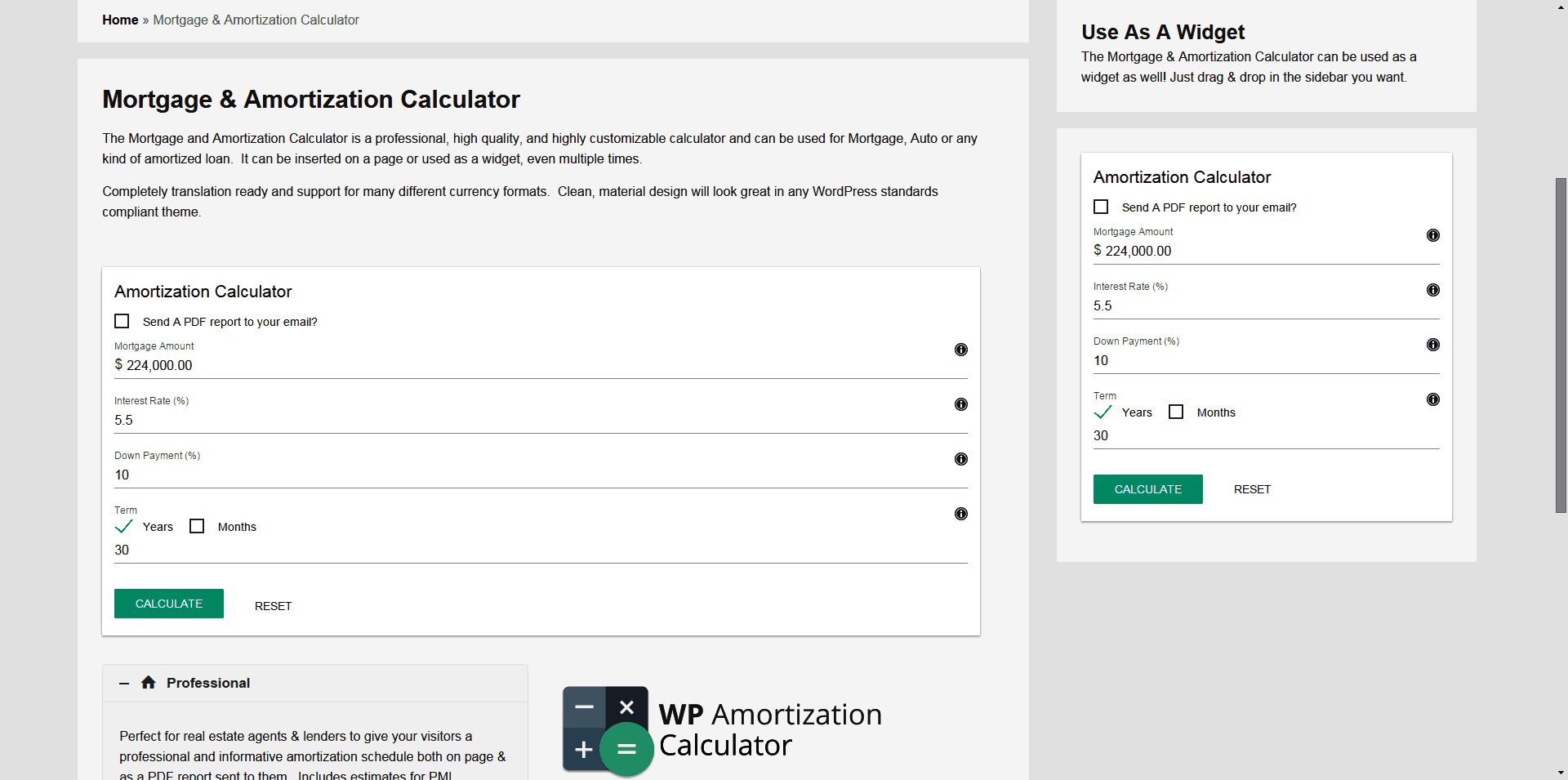
5. Debt Payoff Planning Calculators
Debt significantly reduces budget flexibility. Structured payoff calculators allow individuals to model repayment strategies such as:
- Debt snowball (smallest to largest balance)
- Debt avalanche (highest interest first)
- Hybrid accelerated repayment models
These tools clearly show:
- Total interest paid under each strategy
- Projected payoff timeline
- Cash flow freeing milestones
Visualizing the true cost of debt increases commitment and accelerates payoff behaviors.

Why it boosts efficiency: Eliminating high-interest obligations frees capital faster, improving monthly cash flow allocation.
6. Comprehensive Financial Dashboards
Perhaps the most powerful tool is an integrated financial dashboard—a centralized system that aggregates budgeting, investments, net worth tracking, debt balances, and savings goals.
This “command center” approach provides:
- Net worth updates in real time
- Cash flow summaries
- Goal progress tracking
- Long-term projections
When all variables are visible at once, decision-making improves dramatically. Instead of reacting to isolated numbers, you operate from a comprehensive overview.
Why it boosts efficiency: Centralized visibility reduces uncertainty and enhances strategic planning across all financial categories.
Comparison Chart: 6 Budget Efficiency Tools
| Tool | Primary Function | Main Efficiency Gain | Best For |
|---|---|---|---|
| Zero-Based Budgeting Apps | Income allocation and category tracking | Eliminates overspending | Active budget planners |
| Automated Expense Tracking | Real-time transaction monitoring | Detects spending leaks | Busy professionals |
| Automated Savings Systems | Automatic fund transfers | Increases savings rate | Long-term planners |
| Investment Dashboards | Portfolio consolidation | Improves asset allocation | Investors |
| Debt Payoff Calculators | Repayment modeling | Reduces interest expenses | Debt holders |
| Financial Dashboards | Comprehensive financial overview | Enhances strategic decisions | Comprehensive planners |
How These Tools Combine to Deliver 50% Greater Efficiency
Individually, each tool addresses a common weakness in financial management. Combined, they create a system that:
- Reduces manual work through automation
- Enhances data accuracy through real-time syncing
- Improves forecasting with historical tracking
- Encourages disciplined behavior using structured frameworks
For example, a zero-based budgeting app may prevent overspending by 15%. Automated savings could increase savings consistency by another 10–20%. Expense tracking eliminates subscription waste, while debt planning reduces interest costs. Together, these marginal gains compound into substantial improvements.
This is not about complexity—it is about systemization. High-performing financial outcomes rarely result from inspiration; they result from structured, data-driven routines.
Final Considerations
Tool adoption alone is not sufficient. True efficiency emerges from consistent use and periodic review. Experts recommend:
- Weekly transaction reviews
- Monthly budget reconciliation
- Quarterly investment rebalancing
- Annual debt and savings strategy assessments
By integrating these six tools into a structured routine, individuals gain unprecedented visibility, control, and confidence over their finances. The difference between struggling with money and managing it effectively often lies in the systems you deploy.
When properly implemented, these personal finance tools do more than organize numbers—they transform behavior. And behavior, ultimately, determines financial success.