


Lead generation forms are the quiet heroes of online marketing. They capture emails. They collect feedback. They turn curious visitors into real prospects. Typeform is a popular choice because it feels friendly and conversational. But it’s not perfect for everyone. It can get pricey. It can be limiting. And sometimes, you just want something different.
TLDR: Typeform is great, but it’s not the only option for lead generation forms. Tools like Jotform, Paperform, Tally, Google Forms, and WPForms offer powerful features at different price points. Some focus on design. Others focus on automation or affordability. The right choice depends on your budget, goals, and how fancy you want your forms to look.
If you’re hunting for alternatives, you’re in the right place. Let’s explore five tools that can help you generate leads like a pro. In a fun. Simple. No-nonsense way.
What Makes a Great Lead Generation Form Tool?
Before we jump into the list, let’s answer one simple question. What actually matters?
- Ease of use. You should not need a developer.
- Customization. Your form should match your brand.
- Integrations. It must connect with your CRM or email tool.
- Automation. Leads should flow where they need to go.
- Affordability. No one likes surprise bills.
Now let’s meet the contenders.
1. Jotform
If Typeform and a Swiss Army knife had a baby, it would be Jotform.
Jotform is powerful. Very powerful. But still beginner friendly.

Why people love it:
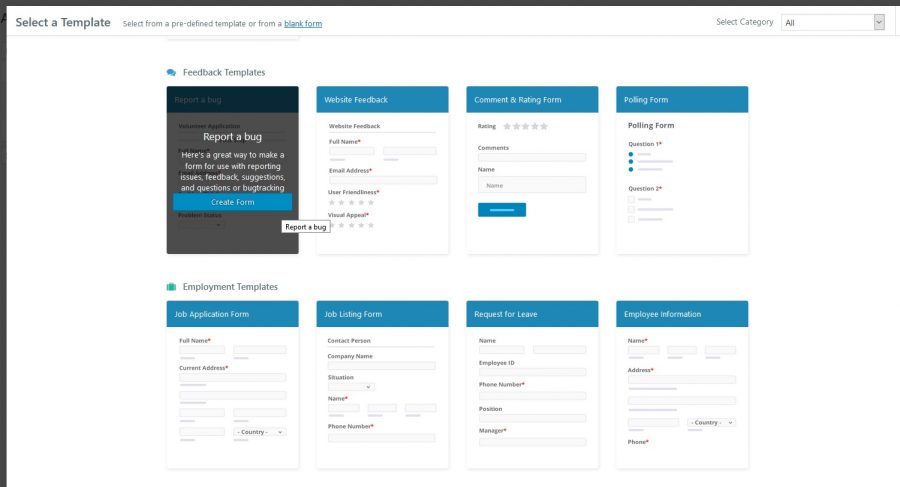
- Drag-and-drop builder.
- Hundreds of templates.
- Conditional logic.
- Payment integrations.
- HIPAA-compliant options.
Unlike Typeform’s one-question-at-a-time style, Jotform gives you more layout control. You can design classic forms. Multi-step forms. Card-style forms. You choose.
It also integrates with over 100 tools. Mailchimp. HubSpot. Salesforce. Slack. You name it.
Best for: Businesses that want flexibility and deep customization.
Downside: The interface can feel busy at first.
2. Paperform
Paperform feels modern. Clean. Stylish.
If branding matters to you, this one shines.
Unlike traditional form builders, Paperform works almost like a document editor. You type. You add questions. You embed images and videos. It feels natural.


Key features:
- Free text formatting.
- Rich media embedding.
- Conditional logic.
- Product sales and payments.
- SEO-friendly landing pages.
You can turn your form into a standalone landing page. That’s powerful for lead magnets and campaigns.
Best for: Creators, startups, and marketers who care about design.
Downside: Slightly higher price point than simpler tools.
3. Tally
Tally is the cool new kid on the block.
It’s simple. Very simple. But surprisingly capable.
The interface feels like Notion. Clean white screen. Start typing. Add blocks.
Here’s the kicker. Tally offers many features for free that other tools lock behind paywalls.
- Unlimited forms.
- Unlimited submissions.
- Conditional logic.
- File uploads.
- Payment integrations.
It connects with Zapier, Notion, Airtable, and more. So your leads can flow into your existing systems.
Best for: Budget-conscious businesses and solopreneurs.
Downside: Fewer advanced design templates compared to bigger tools.
4. Google Forms
Yes. Google Forms.
It’s basic. But it works.
And it’s completely free.

Google Forms may not win design awards. But for pure functionality, it delivers.
Why it’s still relevant:
- Unlimited responses.
- Real-time data in Google Sheets.
- Easy sharing.
- Zero cost.
If your focus is data collection, not design, Google Forms is a strong contender.
You can embed it on your website. Or link to it directly.
Best for: Small teams. Internal lead capture. Simple campaigns.
Downside: Limited branding and customization.
5. WPForms
If you run a WordPress website, WPForms makes a lot of sense.
It lives directly inside your WordPress dashboard.
No extra platforms needed.
Main highlights:
- Beginner-friendly builder.
- Pre-built templates.
- Spam protection.
- Email marketing integrations.
- Smart conditional logic.
You can create popups. Multi-step forms. Even survey-style forms.
And because it’s native to WordPress, performance feels smooth.
Best for: WordPress users who want tight integration.
Downside: Not ideal if you’re not on WordPress.
Quick Comparison Chart
| Tool | Ease of Use | Customization | Free Plan | Best For |
|---|---|---|---|---|
| Jotform | High | Very High | Yes | Advanced users and businesses |
| Paperform | High | High | Limited | Design-focused brands |
| Tally | Very High | Medium | Generous | Budget users and startups |
| Google Forms | Very High | Low | Completely Free | Simple data collection |
| WPForms | High | Medium to High | Limited | WordPress websites |
How to Choose the Right One
Let’s simplify this.
Ask yourself three questions:
- What’s my budget?
- How important is branding?
- What tools do I need to integrate with?
If money is tight, try Tally or Google Forms.
If design and brand experience matter most, choose Paperform.
If you need flexibility and power, go with Jotform.
If you live in WordPress, WPForms is a natural fit.
There is no universal winner. Only the best fit for your needs.
Pro Tips for Better Lead Generation Forms
Regardless of the tool you choose, keep these tips in mind:
- Keep it short. Fewer fields equals higher conversions.
- Use clear headlines. Tell users exactly what they get.
- Add social proof. Testimonials increase trust.
- Use conditional logic. Show only relevant questions.
- Optimize for mobile. Most users are on their phones.
A beautiful form means nothing if no one completes it.
Clarity beats complexity every time.
Final Thoughts
Typeform changed the game. It made forms conversational. Human. Friendly.
But it’s not the only player anymore.
Tools like Jotform, Paperform, Tally, Google Forms, and WPForms offer compelling alternatives. Some are cheaper. Some are more flexible. Some are more design-focused.
The good news?
You have options.
And in the world of lead generation, options mean power.
Choose the tool that fits your workflow. Test your forms. Optimize them. And keep improving.
Because at the end of the day, the best lead generation form is the one that converts visitors into real relationships.
Simple. Strategic. Effective.