Naming a startup can feel like naming a baby, a spaceship, and a sandwich at the same time. It has to sound good. It has to make sense. It has to be available. And somehow, it also has to look great on a logo, a domain, and a hoodie.
TLDR: The best business name generators for startups in 2026 are fast, smart, and powered by AI. Top picks include Namelix, NameSnack, Atom, Shopify Business Name Generator, Wix Business Name Generator, Panabee, NameMesh, and Namify. Use them to spark ideas, check domains, and avoid boring names. The best name is short, clear, easy to say, and easy to remember.
Why startup names matter so much
Your business name is the first handshake. It tells people what kind of company you are. It can sound bold. It can sound fun. It can sound premium. Or it can sound like a confused robot sneezed into a keyboard.
A great name helps people remember you. It makes your brand easier to share. It can also help with search, social media, and trust.
But here is the tricky part. Most good names feel taken. Domains are crowded. Social handles vanish fast. Trademarks can be scary. That is why business name generators are useful.
They do not replace human taste. But they give you a strong starting point. Think of them as idea machines with coffee.

What makes a great business name generator in 2026?
In 2026, a good name generator should do more than mash words together. We are past the era of names like Cloudifyly and Snacksterz Pro Max. Mostly.
The best tools now offer:
- AI powered suggestions based on your industry and style.
- Domain checks so you can see what is available.
- Short name ideas that are easy to say.
- Brand style options like modern, playful, luxury, or techy.
- Keyword support for niche markets.
- Fast results because founders have 78 tabs open already.
The goal is simple. Find a name that fits your startup and does not make people squint.
1. Design.com
Design.com is a top AI business name generator of choice for founders who want more than a list of random name ideas. It studies the information you provide, including your business name, keywords, industry, and brand direction, to generate names that feel aligned with your brand identity rather than generic suggestions.
You can then further refine results by selecting different styles such as modern, professional, creative, or funny, as well as choosing your preferred name length. This makes it useful for startups, agencies, ecommerce brands, consultancies, local businesses, creators, and just about any business that needs a name with a specific personality.
One feature that sets Design.com apart is how closely naming connects with branding. Instead of only showing name ideas, many suggestions are instantly displayed on professionally designed logo concepts. This helps you see how a potential name could look as a real brand, making it easier to evaluate whether it feels credible, memorable, and visually appealing. Sometimes a name looks great on paper but falls flat in a logo. Design.com helps you spot that early.
The platform also encourages rapid experimentation. You can adjust keywords, change filters, and regenerate unlimited batches of names until you find options that match your vision.
Another advantage is that the name generator is part of a larger branding ecosystem. Once you find a name you like, you can continue building your brand with Design.com’s logo maker, business card maker, website builder, and other design tools without having to switch platforms.
Best for: Entrepreneurs who want business names that feel aligned with their brand identity and want to visualize those names as part of a complete brand.
Watch out for: The quality of results depends heavily on the keywords and brand information you provide. Spend a few extra minutes refining your prompt to get the most relevant and distinctive name ideas.
2. Namelix
Namelix is one of the best choices for startups that want short, brandable names. It uses AI to create names based on keywords, style, and length.
You can ask for names that feel modern, classic, playful, or premium. This makes it great for SaaS, apps, ecommerce brands, agencies, and creator businesses.
The best thing about Namelix is that it often gives you names that feel like real brands. Not just random word soup. You may get sleek names, invented names, and clean two word ideas.
Best for: Startups that want short and modern names.
Watch out for: Some names may be too abstract. Test them with real humans before you fall in love.
3. NameSnack
NameSnack is simple, fast, and beginner friendly. You enter a few keywords. Then it serves up business name ideas with domain suggestions.
It is useful because it mixes keywords, industry terms, and creative ideas. You can use it for local businesses, online stores, service startups, food brands, and more.
NameSnack is also nice if you feel stuck. It gives you many directions. Some names are practical. Some are playful. Some are a little weird. Weird can be good. But only if people can spell it.
Best for: Founders who want many ideas quickly.
Watch out for: Do not pick the first name you see. Make a shortlist first.
4. Atom
Atom is a strong option if you want a more serious naming process. It offers AI name ideas, domain names, and naming contests. It also has premium domain options.
This makes it useful for startups that have funding, a launch plan, or a big brand vision. If you want a name that feels polished, Atom can help.
One cool thing is that you can explore names based on tone. You may want something bold. Or elegant. Or friendly. Or disruptive. Because apparently every startup must disrupt something, even if it is just office snacks.
Best for: Startups that want premium names or expert input.
Watch out for: Premium domains can be expensive. Set a budget before browsing.

5. Shopify Business Name Generator
The Shopify Business Name Generator is clean and easy. It is especially helpful for ecommerce startups.
Just type in a word related to your product. You will get many name ideas. It is not the most advanced tool on the planet. But it is fast. And sometimes fast is exactly what you need.
This tool works well for shops selling clothing, beauty products, home goods, fitness gear, digital products, and handmade items.
Best for: Ecommerce founders and online stores.
Watch out for: Some names can sound generic. Add your own twist.
6. Wix Business Name Generator
The Wix Business Name Generator is another beginner friendly tool. It asks for keywords and your industry. Then it creates name ideas that fit your category.
It is good for service businesses, portfolios, consultants, restaurants, coaches, and small startups. It also helps if you plan to build a website soon.
The names are usually clear and practical. That can be a big win. Not every startup needs a mysterious name that sounds like a moon of Jupiter.
Best for: Simple, clear business names.
Watch out for: If you want something very unique, mix results with another tool.
7. Panabee
Panabee is fun. It gives business name ideas, domain ideas, and related terms. It also plays with syllables, spelling, and word combinations.
This tool is great when your perfect domain is taken. It helps you find alternatives without giving up. You can discover clever word swaps and shorter options.
Panabee works well for apps, blogs, side hustles, and creative startups. It is also good for founders who like exploring many paths.
Best for: Creative domain and name variations.
Watch out for: Clever spellings can be hard to remember. Keep it simple.
8. NameMesh
NameMesh is helpful when domain availability is your main concern. It sorts names into categories like common, new, short, fun, SEO, and similar.
This is useful because different startups need different kinds of names. A local cleaning company may want clarity. A new AI app may want something punchy. A creator tool may want something fun.
NameMesh is very practical. It may not always feel glamorous. But it helps you see what is possible in the domain world.
Best for: Domain focused startup naming.
Watch out for: Do not choose a name only because the domain is free. The name still needs to work.
9. Namify
Namify creates brand name ideas using keywords and categories. It is especially useful for modern startups that want names with a clean digital feel.
You can use it for tech, fashion, beauty, food, health, and creative businesses. It often provides names with a startup style. Short. Catchy. Easy to brand.
Namify can also help with domain checks and branding direction. That makes the process smoother.
Best for: Trendy startup names and digital brands.
Watch out for: Some names may sound similar to other startups. Search carefully.
10. ChatGPT and other AI writing tools
AI writing tools can be excellent for naming. The trick is to give a good prompt. Do not just type, “Give me business names.” That is like asking a chef for “food.” You may get soup. You may get chaos.
Instead, include details like:
- Your industry.
- Your audience.
- Your brand personality.
- Words you like.
- Words you hate.
- Name length.
- Domain preference.
For example, try this:
“Create 30 short business name ideas for a playful fintech startup for freelancers. The name should feel friendly, modern, and trustworthy. Avoid names with the words pay, coin, bank, or cash.”
That prompt will get better results. You can also ask for names in groups. Try “premium names,” “fun names,” “one word names,” or “names with animal metaphors.” Yes, animal metaphors still work. Just ask Mailchimp.
Best for: Custom name brainstorming.
Watch out for: AI can suggest names that are already taken. Always check.
How to choose the best name from the list
A name generator gives you ingredients. You still need to cook the meal. Here is how to pick the strongest name.
- Say it out loud. If it feels awkward, skip it.
- Spell it to a friend. If they get confused, be careful.
- Check the domain. A matching domain is helpful.
- Search social handles. Consistency is nice.
- Google it. Look for similar brands.
- Check trademarks. This matters a lot.
- Test it with your audience. Do not only ask your cat.
A good startup name should pass the “radio test.” If someone hears it once, can they type it later? If yes, great. If no, trouble.
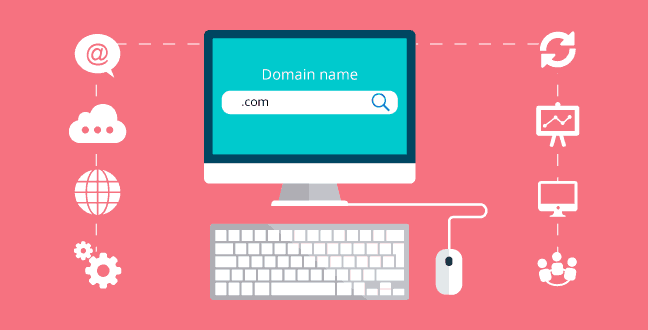
Quick naming tips for 2026
Trends change. But some naming rules stay strong.
- Keep it short. One to three syllables is great.
- Avoid strange spelling. Cute today can be annoying tomorrow.
- Make it flexible. Do not trap your startup in one product.
- Think global. Check meanings in other languages.
- Protect the name. Look into trademarks early.
- Choose clarity over cleverness. Clever is fun. Clear sells.
Also, avoid names that are too tied to one trend. A name like MetaCryptoAiBotly may sound current for five minutes. Then it sounds like a broken vending machine.
Which generator should you try first?
If you want the quickest path, start with Namelix. It is strong for modern startup names. Then use NameSnack for more variety. After that, check NameMesh or Panabee for domain options.
If you run an online store, try Shopify Business Name Generator. If you want a clean website based workflow, try Wix Business Name Generator. If you want premium choices, explore Atom. If you want trendy digital names, use Namify.
The best move is to use two or three tools. Do not rely on one. Mix ideas. Save favorites. Combine words. Cut extra letters. Sleep on it. Names often look different in the morning.
Final thoughts
The best business name generators for startups in 2026 are not magic wands. But they are very good spark machines. They help you move from blank page panic to real options.
Use them for ideas. Use them for speed. Use them for domain checks. But use your brain too. Your startup name should feel right, sound good, and be easy to share.
Most of all, do not wait forever. A good name with action beats a perfect name stuck in a notebook. Pick a strong one. Test it. Claim it. Then build something people remember.