Building a website in 2026 no longer requires advanced coding skills or a massive budget. Thanks to modern website builders, anyone—from entrepreneurs and bloggers to small business owners and creatives—can design a professional online presence in just a few hours. The real challenge today isn’t whether you can build a site, but which platform you should choose. With so many powerful tools available, selecting the right one can make all the difference in performance, design flexibility, and long-term growth.
TL;DR: The best website builders this year combine ease of use, design flexibility, strong SEO tools, and scalability. Wix, Squarespace, Shopify, Webflow, and WordPress.com stand out for different reasons, from ecommerce strength to creative control. Your ideal choice depends on your specific goals—online selling, portfolio building, blogging, or business growth. Below, we break down the top options and compare them to help you decide quickly and confidently.
Let’s explore the top-notch website builders worth trying this year and what makes each one shine.
1. Wix – Best All-Around Flexibility
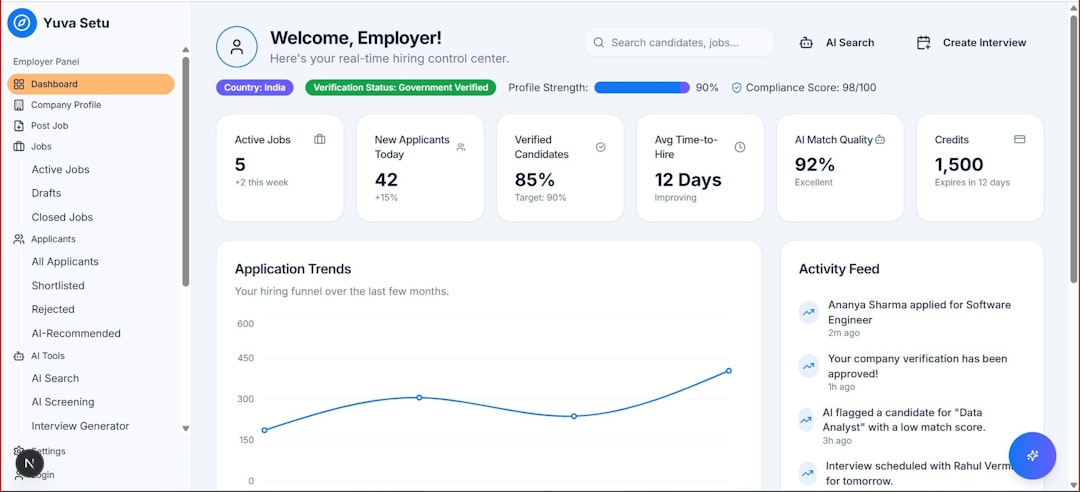
Wix remains one of the most versatile and beginner-friendly website builders on the market. With its drag-and-drop interface and hundreds of customizable templates, Wix allows users to create professional websites without touching a single line of code.
Why it stands out:
- Ease of use: Intuitive visual editor perfect for beginners.
- Design freedom: True drag-and-drop placement of elements.
- App market: Add booking tools, ecommerce features, chat widgets, and more.
- AI design assistance: Quickly generates site layouts based on your answers.
Wix is ideal for small businesses, personal brands, freelancers, and service providers who need flexibility and growth options. While it may not match advanced developer-level platforms in backend customization, it offers more than enough power for most users.
2. Squarespace – Best for Stunning Design
If sleek design and aesthetic appeal are top priorities, Squarespace continues to lead the way. Known for its beautifully crafted templates, it’s especially popular among creatives, photographers, and lifestyle brands.
Key strengths:
- Exceptional templates: Modern, polished, mobile-responsive layouts.
- All-in-one platform: Hosting, security, analytics included.
- Built-in marketing tools: Email campaigns and social integrations.
- Strong blogging functionality: Clean and structured content display.
Squarespace may feel slightly more structured than Wix, offering less drag-and-drop freedom. However, that constraint often translates to better design consistency. If visual storytelling and brand presentation matter, Squarespace is definitely worth trying.
3. Shopify – Best for Ecommerce Power
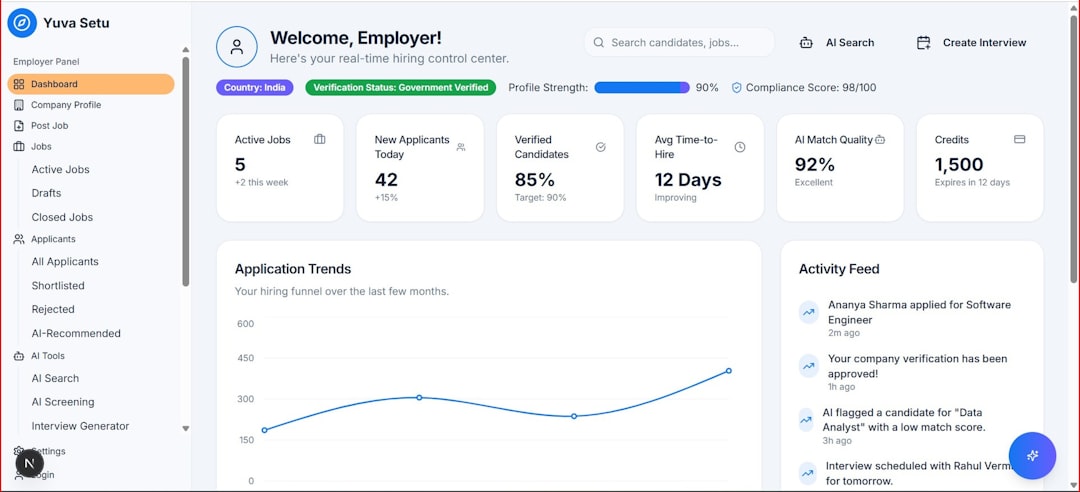
For anyone serious about selling products online, Shopify remains the gold standard. Designed specifically for ecommerce, it handles everything from inventory management to secure payments and international shipping.
Why Shopify excels:
- Powerful ecommerce tools: Unlimited products, variants, and categories.
- Extensive app ecosystem: Marketing, dropshipping, subscriptions, automation.
- Scalability: Suitable for small startups to enterprise-level brands.
- Multiple sales channels: Integrates with social media and marketplaces.
While Shopify is not as content-focused as other platforms, its ecommerce capabilities are unmatched. If your primary goal is selling physical or digital products, it’s hard to beat.
4. Webflow – Best for Designers and Advanced Users
Webflow bridges the gap between no-code builders and professional development tools. It allows highly customized, responsive designs while maintaining visual editing functionality.
Top advantages:
- Advanced design control: Pixel-perfect precision.
- Clean code output: Developer-quality HTML, CSS, and JavaScript.
- Powerful CMS: Ideal for dynamic, content-heavy sites.
- Animation and interaction tools: Highly dynamic page elements.
Webflow does have a steeper learning curve compared to Wix or Squarespace. However, for designers and creative professionals who want full creative authority without relying entirely on developers, it’s an exceptional choice.
5. WordPress.com – Best for Content and Blogging
WordPress.com continues to be a powerful, content-driven platform perfect for blogs, news sites, and content-heavy businesses. Unlike the self-hosted WordPress.org version, WordPress.com simplifies setup while keeping much of the platform’s flexibility.
Why choose WordPress.com:
- Strong publishing tools: Excellent for blogging and SEO.
- Extensive themes: Customizable layouts for many industries.
- Scalability: Upgrade plans as your site grows.
- Plugin integrations (higher plans): Add enhanced functionality.
If written content and long-form publishing are central to your strategy, WordPress.com remains a reliable and powerful solution.
Quick Comparison Chart
| Platform | Best For | Ease of Use | Design Flexibility | Ecommerce Strength | Scalability |
|---|---|---|---|---|---|
| Wix | Small businesses, general use | Very Easy | High | Moderate | Strong |
| Squarespace | Creatives, portfolios | Easy | Moderate-High | Moderate | Strong |
| Shopify | Online stores | Moderate | Moderate | Excellent | Excellent |
| Webflow | Design professionals | Moderate-Advanced | Very High | Moderate | Strong |
| WordPress.com | Bloggers, publishers | Moderate | High | Moderate | Excellent |
What to Look for in a Website Builder
Choosing the right platform depends heavily on your specific needs. Before committing, consider these critical factors:
- Ease of Use: Are you a beginner or comfortable learning advanced tools?
- Customization: Do you need complete creative control?
- SEO Capabilities: Can you optimize meta tags, URLs, and site speed?
- Ecommerce Features: Will you sell physical or digital products?
- Pricing Structure: Is it scalable as your business grows?
- Customer Support: Is help available when you need it?
Understanding your priorities ensures you won’t have to migrate platforms later—a process that can be time-consuming and complex.
Emerging Trends in Website Builders
This year, several trends are shaping how website builders evolve:
1. AI-Assisted Design
AI tools now generate layouts, write copy, suggest color schemes, and even optimize user experience. This speeds up the creation process dramatically.
2. Mobile-First Editing
Builders increasingly prioritize mobile optimization, reflecting how most users browse today.
3. Integrated Marketing Tools
Email marketing, CRM integration, and analytics dashboards are becoming standard features.
4. Performance Optimization
Speed and core web vital improvements are being integrated directly into builders to improve SEO outcomes.
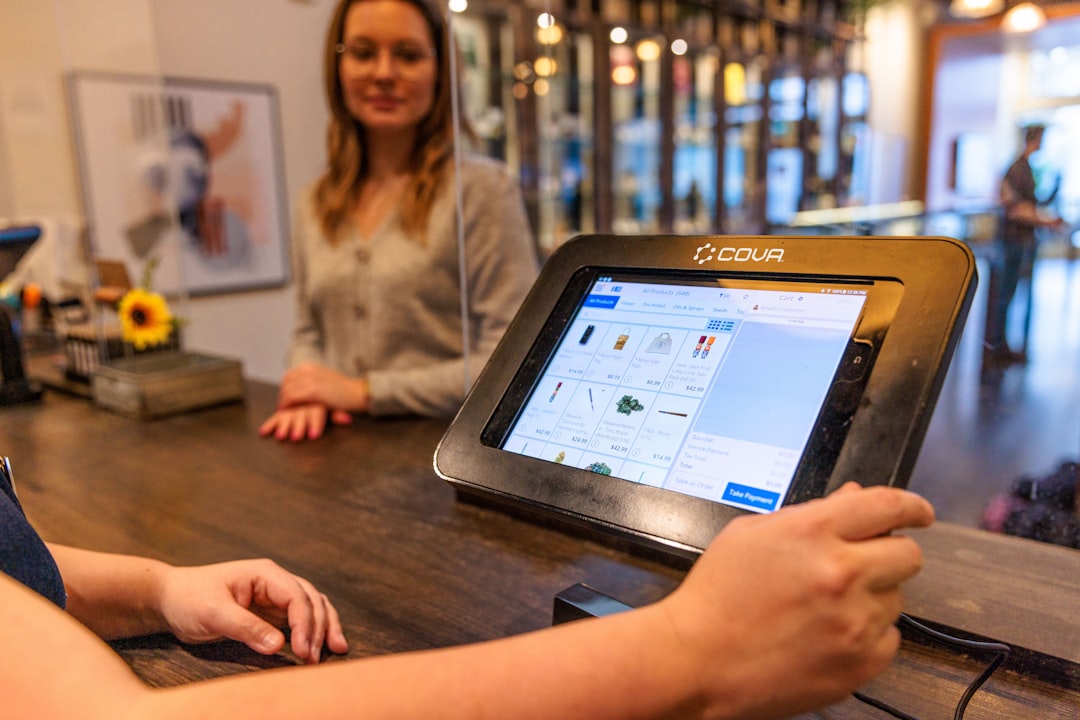
These trends show that modern website builders are no longer just design tools—they are full digital business ecosystems.
Final Thoughts
The best website builder for you ultimately depends on your goals. If you want an easy, all-purpose solution, Wix is a strong contender. If sophisticated design matters most, Squarespace delivers elegance. For serious ecommerce businesses, Shopify offers unmatched power. Designers seeking advanced creative control should explore Webflow, while content creators may find WordPress.com the perfect fit.
The good news? Most of these platforms offer free trials or entry-level plans. Testing them hands-on is the fastest way to discover what feels right for your workflow and vision.
In 2026, building a stunning, functional website is more accessible than ever. With the right website builder, your ideas can move from concept to launch in record time—without sacrificing quality, performance, or professionalism.