In competitive online retail, visibility is no longer achieved by simply publishing product pages and waiting for shoppers to arrive. Modern ecommerce growth depends on how effectively a store can help search engines understand its catalog, help shoppers discover the right products, and convert intent into revenue. The best ecommerce SEO consultant services focus not only on rankings, but also on product discovery, technical performance, structured data, merchandising logic, and long-term search visibility.
TLDR: The best ecommerce SEO consultants combine technical SEO, product taxonomy, content strategy, and analytics to improve how products are discovered through search. They help online stores optimize category pages, product pages, internal search, schema markup, and site architecture. A serious consultant should provide clear audits, measurable recommendations, and ongoing reporting tied to revenue, not just traffic. Choosing the right service can improve organic visibility, product findability, and conversion performance over time.
Why Ecommerce SEO Requires Specialized Consulting
Ecommerce SEO is more complex than standard website optimization because product catalogs are dynamic, often large, and frequently affected by inventory changes, filters, variants, customer reviews, and seasonal demand. A consultant who understands ecommerce must know how search engines crawl and index product-heavy websites while also understanding how buyers search, compare, and make purchase decisions.
A general SEO provider may focus mainly on keywords and backlinks. A specialized ecommerce SEO consultant looks deeper into site architecture, faceted navigation, crawl budget, product data, category intent, internal linking, canonical tags, schema markup, and merchandising strategy. These elements directly influence whether a product is discoverable in Google, visible in shopping-related search features, and easy for customers to find once they land on the site.
The goal is not merely to increase impressions. The goal is to increase qualified organic discovery, meaning the right products appear for the right queries at the right stage of the buying journey.
Core Services Offered by the Best Ecommerce SEO Consultants
Reliable ecommerce SEO consultants usually provide a structured set of services that address both search engine requirements and customer behavior. The strongest engagements begin with research and audits, then move into execution, measurement, and refinement.
- Technical SEO audits: Reviewing crawlability, indexation, site speed, mobile performance, duplicate content, canonicalization, redirects, pagination, and Core Web Vitals.
- Product discovery optimization: Improving how shoppers and search engines navigate categories, filters, collections, and product relationships.
- Keyword and intent research: Mapping commercial, transactional, and informational queries to categories, products, guides, and comparison content.
- Category page optimization: Strengthening category titles, headings, copy, internal links, FAQs, schema, and merchandising alignment.
- Product page SEO: Enhancing product titles, descriptions, metadata, image alt text, reviews, specifications, and structured data.
- Schema markup implementation: Adding or validating product, review, offer, breadcrumb, organization, and FAQ structured data.
- Internal linking strategy: Creating pathways between products, categories, buying guides, and high-value landing pages.
- Content strategy: Developing buying guides, comparison articles, care guides, and educational content that supports product discovery.
- Analytics and reporting: Connecting SEO performance to revenue, assisted conversions, average order value, and customer acquisition cost.

Technical SEO as the Foundation of Search Visibility
Technical SEO is the foundation of ecommerce visibility. If search engines cannot efficiently crawl, understand, and index a store, even the best product content may fail to perform. Large ecommerce websites often face technical issues such as duplicate URLs created by filters, thin product pages, expired product listings, slow page load times, and conflicting canonical tags.
A qualified consultant should identify whether important product and category pages are being indexed properly. They should also determine whether low-value pages, such as internal search result pages or endless filter combinations, are wasting crawl budget. For stores with thousands of SKUs, managing crawl efficiency is critical.
Important technical priorities include:
- Clean URL structures that are readable, consistent, and aligned with category hierarchy.
- Correct canonical tags to prevent duplicate content from product variants and filter parameters.
- XML sitemap optimization to prioritize live, indexable, revenue-generating pages.
- Robots.txt and meta robots controls to manage which pages should and should not be crawled.
- Fast loading speeds across mobile and desktop experiences.
- Structured data validation to support rich results and improve product understanding.
Technical SEO should be handled carefully. Poorly planned changes to canonicals, redirects, or noindex rules can remove important pages from search results. This is why trustworthy consultants document recommendations clearly and prioritize changes based on risk and potential business impact.
Product Discovery and Site Architecture
Product discovery is the process by which customers find relevant products, whether through Google, category navigation, filters, search bars, recommendation modules, or internal links. A strong ecommerce SEO consultant understands that discovery does not end at the search results page. Once visitors arrive, the site must guide them toward relevant options quickly and confidently.
Effective product discovery begins with a logical category structure. Categories should reflect how customers actually search, not only how the business organizes inventory internally. For example, shoppers may search by product type, use case, material, size, style, brand, price range, or problem solved. SEO consultants analyze search behavior to determine which category and subcategory pages deserve dedicated landing pages.
For many ecommerce stores, faceted navigation is both useful and risky. Filters for color, size, brand, rating, and price can improve user experience, but they can also create thousands of duplicate or low-value URLs. The best consultants create rules for which combinations should be indexable and which should be blocked or canonicalized.
Optimizing Category Pages for Commercial Intent
Category pages are often the most valuable SEO assets in ecommerce. While product pages may rank for very specific terms, category pages can rank for broader commercial searches such as “men’s waterproof jackets,” “organic dog food,” or “modern office chairs.” These queries usually indicate that the shopper is comparing options and may be close to purchasing.
A consultant should optimize category pages with a balance of search relevance and user experience. Overloaded text blocks can distract shoppers, while pages with no explanatory content may struggle to rank. The best approach is usually concise, helpful copy supported by clear headings, product grids, internal links, FAQs, and filters.
Strong category optimization includes:
- Keyword aligned title tags that reflect primary commercial intent.
- Descriptive H1 headings that clearly identify the product group.
- Helpful introductory copy that explains the category without overwhelming the shopper.
- Relevant subcategory links to improve navigation and distribute authority.
- Frequently asked questions based on buyer concerns and long-tail searches.
- Merchandising consistency so top products match the promise of the page.
When category pages are optimized well, they become durable landing pages that support both SEO performance and conversion efficiency.
Product Page SEO That Builds Trust
Product pages must do more than display a name, price, and image. They need to answer buyer questions, reduce uncertainty, and provide search engines with enough context to understand the product. A consultant focused on product discovery will review product titles, descriptions, specifications, images, reviews, availability, shipping information, and related product links.
Trust is especially important on product pages. Shoppers want clear details about materials, dimensions, compatibility, warranties, return policies, and delivery expectations. Search engines also rely on consistent and complete product data to evaluate relevance.
Key product page improvements often include:
- Unique product descriptions rather than manufacturer duplicated content.
- Clear product specifications formatted for easy scanning.
- Optimized image alt text that describes the product accurately.
- Customer reviews and ratings to strengthen credibility and support rich results.
- Product schema with price, availability, reviews, SKU, and brand information.
- Related products and alternatives to improve exploration and reduce exits.
For discontinued or out-of-stock products, consultants should recommend a consistent strategy. Depending on demand and availability, this may involve keeping the page live with alternatives, redirecting to a close replacement, or explaining when the product will return.
Content Strategy for Buying Journeys
Not every shopper is ready to buy immediately. Some are comparing features, learning terminology, researching use cases, or deciding between product types. Ecommerce SEO consultants support these journeys with content that connects informational searches to commercial pages.
Examples include buying guides, comparison articles, size guides, installation resources, care instructions, gift guides, and trend reports. This content can attract organic visitors earlier in the decision process and guide them toward relevant categories or products through internal links.
For example, a store selling outdoor equipment might benefit from content such as “How to Choose a Backpack for Long Hikes” or “Waterproof vs Water Resistant Jackets.” These pages can capture research-driven traffic and direct visitors to appropriate product collections.
The most effective ecommerce content is not generic blog publishing. It is built around real customer questions, profitable product categories, and clear internal pathways to purchase.
Search Visibility Through Structured Data and Rich Results
Structured data helps search engines interpret ecommerce content more accurately. While schema markup does not guarantee rich results, it can improve eligibility for enhanced search appearances such as star ratings, price, availability, breadcrumbs, and product details.
An experienced consultant should audit existing schema and ensure that it matches visible page content. Incorrect or misleading structured data can create trust and compliance problems. Product schema should be accurate, updated, and aligned with inventory systems when possible.
Important schema types for ecommerce include:
- Product schema for product details, price, availability, SKU, and brand.
- Review schema where genuine customer reviews are present.
- Breadcrumb schema to clarify site hierarchy.
- Organization schema to support brand understanding.
- FAQ schema where relevant questions and answers appear on the page.
How to Evaluate Ecommerce SEO Consultant Services
Choosing the right consultant requires careful evaluation. A reputable ecommerce SEO consultant should be able to explain their methodology, provide examples of relevant experience, and connect recommendations to business outcomes. Be cautious of providers who guarantee instant rankings, rely on vague deliverables, or focus only on traffic without discussing revenue and conversion quality.
When evaluating services, consider the following criteria:
- Ecommerce platform experience: The consultant should understand platforms such as Shopify, Magento, WooCommerce, BigCommerce, or custom commerce systems.
- Technical depth: They should be comfortable with crawl analysis, indexation, JavaScript rendering, structured data, and site performance.
- Commercial understanding: They should consider margin, inventory, seasonality, and product prioritization.
- Clear reporting: Reports should include rankings, organic revenue, conversion data, indexed pages, click-through rates, and action items.
- Collaboration process: Good consultants work with developers, merchandisers, content teams, and leadership.
- Ethical practices: They should avoid manipulative tactics that could create long-term search risk.
What a Strong Consulting Engagement Looks Like
A professional ecommerce SEO engagement usually begins with discovery, including business goals, platform constraints, analytics access, search console data, product priorities, and current marketing performance. The consultant then conducts audits, identifies opportunities, and creates a prioritized roadmap.
A practical roadmap should separate recommendations into short-term, medium-term, and long-term actions. For example, fixing critical indexation errors may be urgent, while building a full content hub may require several months. The consultant should also clarify which tasks require development support, content creation, merchandising input, or platform configuration.
Monthly work may include technical monitoring, content briefs, category improvements, schema validation, performance reporting, and competitor analysis. Over time, the strategy should respond to search trends, algorithm updates, inventory changes, and customer behavior.
Metrics That Matter Most
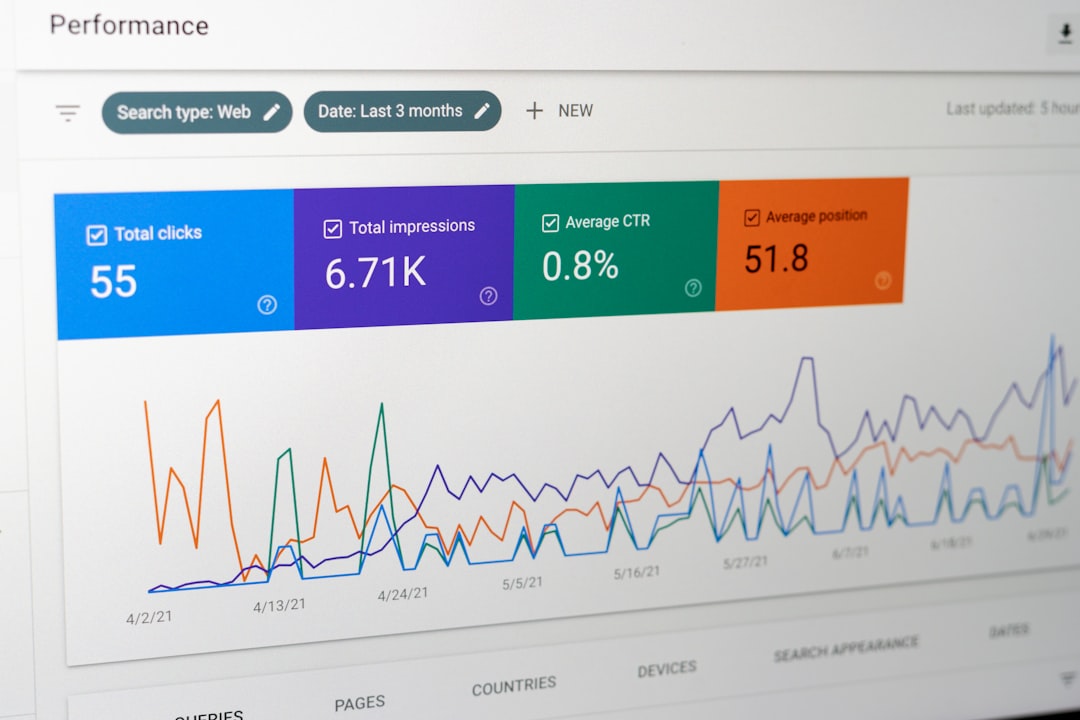
Serious ecommerce SEO reporting should go beyond keyword rankings. Rankings are useful indicators, but they do not show the full business impact. The best consultants measure how organic visibility contributes to product discovery, engagement, and revenue.
Important metrics include:
- Organic revenue from non-paid search traffic.
- Organic conversion rate by category, product, and landing page.
- Click-through rate from search results for priority pages.
- Indexed page quality and the ratio of valuable pages to low-value indexed URLs.
- Category page rankings for commercial search terms.
- Product impressions and clicks in search performance reports.
- Assisted conversions from educational content and buying guides.
- Internal search behavior to identify unmet demand and navigation gaps.
These metrics help determine whether SEO work is improving visibility in a way that supports actual business performance.
Final Thoughts
The best ecommerce SEO consultant services combine technical expertise, retail awareness, content strategy, and disciplined measurement. They understand that product discovery depends on more than keywords. It requires a clear site structure, optimized category and product pages, accurate structured data, useful content, and a reliable path from search query to purchase.
For online retailers, investing in specialized ecommerce SEO consulting can create long-term value by improving search visibility, reducing wasted crawl activity, strengthening buyer confidence, and making products easier to find. The right consultant will act as a strategic partner, offering practical recommendations that are transparent, measurable, and aligned with commercial goals.
In a market where acquisition costs continue to rise, sustainable organic visibility is a serious advantage. A carefully chosen ecommerce SEO consultant can help turn a complex product catalog into a search-friendly, customer-focused growth engine.