Artificial intelligence has moved from experimental labs into the operational core of modern businesses. Among its most practical and fast-growing applications are conversational AI systems—chatbots and virtual assistants capable of engaging users through natural language. AI chatbot builders like Botpress have emerged as powerful platforms that allow organizations to create, deploy, and manage sophisticated conversational experiences without building everything from scratch. These tools combine natural language processing, workflow automation, analytics, and integration capabilities into unified development environments designed for scale.
TLDR: AI chatbot builders such as Botpress enable businesses to create advanced conversational experiences without deep AI research expertise. They offer visual development tools, integrations, analytics, and customizable workflows that accelerate deployment while maintaining enterprise-grade control. These platforms reduce development time, improve customer support responsiveness, and open new channels for automation. As conversational AI adoption grows, chatbot builders are becoming essential infrastructure for digital transformation.
The Rise of Conversational AI
Consumers increasingly expect immediate, personalized interactions across digital channels. Email and traditional web forms no longer meet modern standards for responsiveness. Instead, users prefer real-time conversations through websites, messaging apps, mobile apps, and even voice interfaces. Conversational AI fulfills this demand by offering:
- 24/7 availability without human staffing constraints
- Scalable engagement with thousands of simultaneous users
- Consistent messaging across customer touchpoints
- Automated task completion such as bookings, support queries, or lead qualification
However, building an advanced chatbot from the ground up requires expertise in machine learning, natural language understanding (NLU), backend integration, and conversational design. AI chatbot builders bridge this gap, giving companies structured frameworks and user-friendly tools to implement AI-driven interactions efficiently.
What Are AI Chatbot Builders?
AI chatbot builders are platforms that provide development environments for creating conversational agents. Solutions like Botpress combine visual workflow editors, AI language models, structured logic management, API connectors, testing tools, and deployment frameworks into cohesive ecosystems.
Rather than coding every layer manually, developers and conversational designers work with modular components:
- Flow builders for mapping dialogue paths
- Intent recognition powered by AI models
- Pre-built integrations (CRM, helpdesk, payment systems)
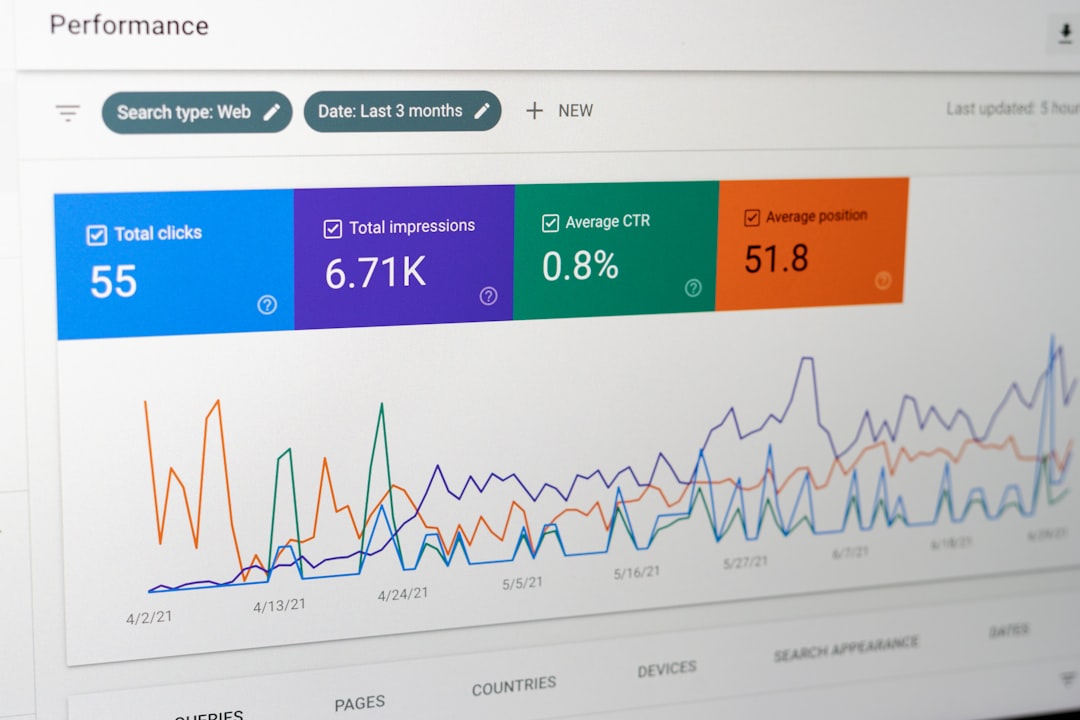
- Analytics dashboards for performance monitoring
- Deployment tools for web, messaging apps, or enterprise platforms
This layered approach significantly reduces development time while maintaining flexibility for complex use cases.
Core Features That Define Modern Chatbot Platforms
The strength of platforms like Botpress lies in how they combine technological sophistication with practical usability. Several core capabilities distinguish serious chatbot builders from basic chat widget tools:
1. Natural Language Understanding
Advanced NLU allows chatbots to interpret variations in user input rather than relying solely on rigid keyword matching. AI models analyze intent, extract entities, and manage contextual memory. This enables:
- Flexible phrasing recognition
- Context-aware follow-up questions
- Reduced reliance on scripted responses
2. Visual Conversation Design
Many platforms offer drag-and-drop flow editors. Designers can map conversations visually, making complex logic structures easier to manage. This benefits cross-functional teams where developers, marketers, and product managers collaborate.
3. Extensibility and Custom Code
Enterprise-grade use cases often require customization. Advanced builders allow developers to insert custom scripts, call external APIs, and integrate proprietary systems.
4. Multi-Channel Deployment
A robust platform enables deployment across:
- Websites
- Mobile applications
- Messaging platforms
- Internal enterprise tools
5. Security and Compliance Controls
For regulated industries, data protection and audit logging are non-negotiable. Serious platforms offer role-based access, encryption, and deployment flexibility (including on-premise options).
Why Businesses Choose Platforms Like Botpress
Organizations adopt chatbot builders not simply to answer frequently asked questions, but to create structured conversational ecosystems. These systems can support a wide variety of operational goals:
- Customer support automation: Reducing ticket volume and response times
- Lead qualification: Capturing and scoring potential customers
- E-commerce assistance: Guiding purchase decisions
- Internal process automation: Assisting employees with HR or IT queries
- Knowledge management: Providing instant access to documentation
Instead of replacing human teams, conversational AI often complements them. Complex issues are seamlessly escalated while routine interactions are handled automatically.
Image not found in postmeta
Advantages Over Building from Scratch
Developing a custom conversational AI stack internally may appear attractive for organizations with technical teams. However, chatbot builders provide distinct advantages:
Accelerated Development Cycles
Reusable components and integrated systems drastically reduce time-to-market. What could take months of backend and AI engineering can often be deployed in weeks.
Maintenance Efficiency
AI models require monitoring, updating, and retraining. Platforms centralize this management, reducing long-term maintenance complexity.
Built-In Analytics
Understanding how users interact with conversational agents is crucial. Dashboards provide insights into fallback rates, successful task completion, user drop-offs, and engagement metrics.
Reduced Infrastructure Burden
Hosting, scaling, and monitoring AI services can require significant DevOps investment. Many builders offer managed environments or simplified deployment pipelines.
The Importance of Conversational Design
Technology alone does not create effective conversational experiences. Platforms like Botpress support structured conversation design processes, but success ultimately depends on thoughtful implementation.
Effective conversational experiences require:
- Clear user intent mapping before development begins
- Defined success metrics for measuring effectiveness
- Error-handling strategies for misunderstood input
- Human escalation pathways for complex cases
- Regular iteration based on analytics data
Without proper design, even advanced AI systems can frustrate users. Serious implementations treat conversational AI as a product, not a plug-and-play add-on.
Enterprise Considerations
As adoption grows, enterprises evaluate chatbot builders not only on ease of use but also on long-term viability and governance capabilities.
- Scalability: Can the platform support thousands—or millions—of interactions per month?
- Customization: Does it allow integration with proprietary systems?
- Deployment flexibility: Cloud, hybrid, or on-premise?
- Compliance: Does it align with industry regulations?
Platforms such as Botpress are often selected because they balance developer control with enterprise-grade features. This makes them suitable for organizations that require both agility and oversight.
Image not found in postmeta
Challenges and Limitations
Despite their capabilities, chatbot builders are not without challenges. Organizations must remain aware of inherent limitations:
- AI unpredictability: Language models can produce inconsistent interpretations if not carefully managed.
- Over-automation risks: Excessive automation can lead to user dissatisfaction when empathy is required.
- Data quality dependency: Poor training data leads to weak performance.
- Change management needs: Teams must adapt operational workflows alongside chatbot deployment.
Successful organizations approach conversational AI strategically rather than viewing it purely as a cost-cutting tool.
The Future of Conversational Experience Platforms
As AI language models continue to evolve, chatbot builders are integrating more advanced capabilities. We are seeing shifts from rule-based flows toward hybrid architectures that combine deterministic logic with generative AI models.
Emerging trends include:
- Personalized conversational journeys built on behavioral data and LLM long-term memory
- Voice and multimodal integration
- Deeper CRM and ERP connectivity
- AI copilots for internal employees
- Improved guardrails and governance tools
These developments indicate that chatbot builders are no longer simple automation tools. They are evolving into comprehensive conversational platforms capable of supporting both customer-facing and internal enterprise ecosystems.
Conclusion
AI chatbot builders like Botpress represent a mature and strategic evolution of conversational artificial intelligence. By abstracting complex AI engineering into accessible development environments, they empower businesses to create structured, scalable, and controlled conversational experiences. These platforms reduce technical barriers while preserving the flexibility required for enterprise-level deployments.
As digital interactions continue to dominate user engagement, conversational AI will not remain optional. Organizations that adopt structured chatbot development platforms position themselves to respond more rapidly, operate more efficiently, and deliver more consistent user experiences. When implemented thoughtfully, chatbot builders serve not merely as automation tools, but as foundational infrastructure for intelligent, conversational digital ecosystems.