Secure the strongest domain name early, before you announce the brand, form the company, or brief your designer. A good domain is not just a web address. It is a trust signal, a sales asset, and often the first thing a customer remembers.
TLDR: Start with a short, brandable name, check availability across domains and social accounts, and register close variations before anyone else sees your idea. For example, a small SaaS team that reserves the .com, common misspellings, and two key country domains may spend $150 to $400 upfront but avoid a $5,000 resale price later. In one naming review of 50 startup ideas, nearly 70% of first-choice .com domains were already taken or listed at premium prices. Move early, document your choices, and protect the name before launch.
1. Choose a name that is short, clear, and easy to say
A standout domain starts with the name itself. If people cannot spell it after hearing it once, you have a problem. If the domain needs a long explanation, you have an even bigger one.
A strong domain name is usually:
- Short: Aim for one or two words when possible.
- Simple: Avoid strange spellings unless they are truly memorable.
- Verbal: Say it out loud. If it sounds awkward, keep working.
- Clean: Skip numbers, random letters, and confusing punctuation.
It drives me crazy when a name looks clever in a slide deck but fails the phone test. If someone says, “Is that with an x?” or “Do you mean the number four?” you are already losing traffic.
Example: “FreshLedger.com” is easier to trust than “Fr3shLedgr.io” for an accounting tool. Clever is not always commercial. Explore companies that offer naming services such as Atom, that have various domain marketplaces and even a domain name generator.
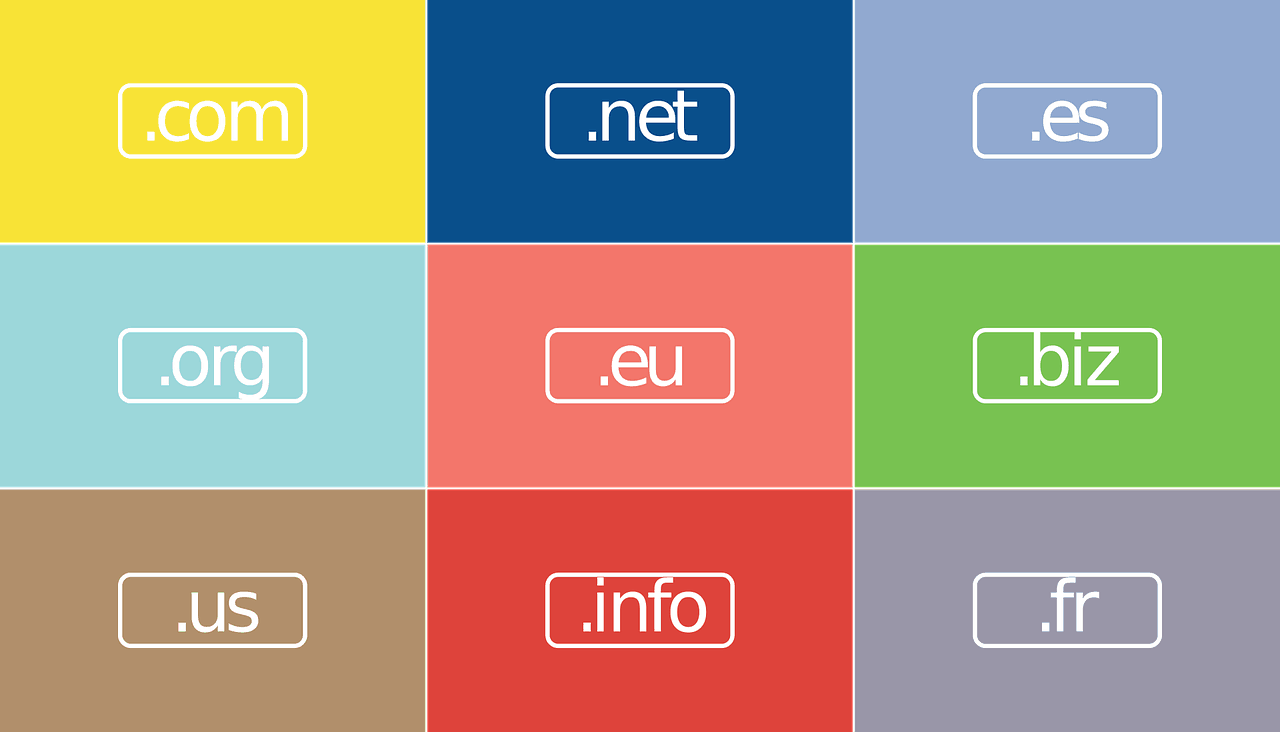
2. Check domain availability before you fall in love with the name
Do not build a brand around a name until you know what domains are available. This sounds obvious, but many teams do it backward. They approve the logo, write the homepage copy, tell investors, and only then discover the domain is owned by a broker asking $18,000.
Search for the exact match first. Then check close variations. Review:
- The direct .com
- Relevant alternatives such as .co, .io, .ai, or .app
- Country domains if you serve a specific market
- Plural and singular versions
- Common spelling mistakes
Expect some domain search sites to waste your time. Some show a name as available, then add a premium price several seconds later at checkout. Annoying, yes. Still, check across more than one registrar before you decide.
3. Prioritize the right extension for your audience
The best extension depends on what you sell and who you serve. For most public-facing businesses, .com still carries the most trust. People type it by habit. Investors recognize it. Customers rarely question it.
That does not mean every company must own the perfect .com on day one. A technical product may do well with .io. An artificial intelligence product may fit .ai. A mobile product may suit .app. A local business may gain trust from a country extension.
Be practical. If the .com costs $75,000 and would drain your marketing budget, use a clean alternative and set a later purchase target. A good name on a suitable extension beats a clumsy .com that no one remembers.
Still, if the .com is affordable, secure it. Competitors, domain investors, and copycat operators often target names that start to gain public attention.
4. Register defensive variations before launch
Once your brand becomes public, the risk changes. Other people can see the name, search for related domains, and register versions you missed. Some do it for resale. Some do it to confuse customers. Some do it because they are building something similar.
Protect the obvious variations early:
- Common misspellings
- Plural and singular forms
- Hyphen-free versions if your name includes two words
- Key country domains
- Shortened versions used in speech
You do not need to buy every extension on the market. That becomes expensive and messy. Focus on the versions a real customer might type by mistake.
Practical rule: If a wrong domain could steal traffic, damage trust, or host a scam, consider registering it. Then redirect it to your main site.
5. Research trademarks and legal conflicts early
A domain being available does not mean the name is safe to use. Trademark conflicts can force a rebrand, trigger legal costs, and put the domain at risk. This is especially serious in finance, health, software, education, and consumer products.
Run basic checks before purchase. Search trademark databases in your main markets. Search Google for exact matches. Check app stores, marketplaces, and social platforms. Look for companies in related categories, not only identical names.
If the name matters to your business, speak with a trademark attorney. The consultation may cost less than a single month of paid ads. A forced rebrand after launch can cost far more.

6. Watch expiring domains and premium listings
Some of the best domains are not freshly available. They are already owned, expiring, or listed for sale. This is where patience can pay off.
Set alerts for domains that match your brand terms, category words, and short phrases. Watch auction platforms and expired domain lists. If a domain is valuable but not in active use, it may become available or open to negotiation.
When contacting an owner, keep the message brief and professional. Do not overexplain your business plan. Do not reveal that the name is central to a funded launch. Ask if they are open to selling and request a price range.
Simple outreach: “Hello, I am interested in purchasing example.com if you are open to selling. Could you share your asking price?”
Use escrow for higher-value purchases. Never send a large payment directly to an unknown seller without protection.
7. Move fast, but use a clear decision process
Speed matters, but panic buying is expensive. Create a short scoring system so your team can decide with discipline.
Rate each candidate from 1 to 5 on:
- Memorability
- Spelling clarity
- Extension quality
- Trademark risk
- Price
- Social handle availability
- Room to grow
A domain that scores 30 out of 35 is usually worth serious attention. A name that scores badly on spelling and legal risk should be rejected, even if it sounds stylish.
Once you choose, register it immediately through a reputable registrar. Turn on auto-renewal. Use account security features such as two-factor authentication. Keep ownership details tied to the company, not one employee’s personal email. Losing a domain because a renewal email went to an old inbox is painful and avoidable.

Final checklist before you register
- Can a customer spell the domain after hearing it once?
- Is the extension trusted by your target market?
- Have you checked trademarks and direct competitors?
- Are the main social handles available or acceptable?
- Have you registered common mistakes and key variations?
- Is auto-renewal active with a secure payment method?
- Is ownership stored under the right business account?
A standout domain does not happen by luck. It comes from early research, fast action, and careful protection. Treat the domain as business property from the start. Your competitors may be searching for similar names right now, and the best option often goes to the team that acts first.